COP30 Belém: The Climate Promises That Failed the Ocean
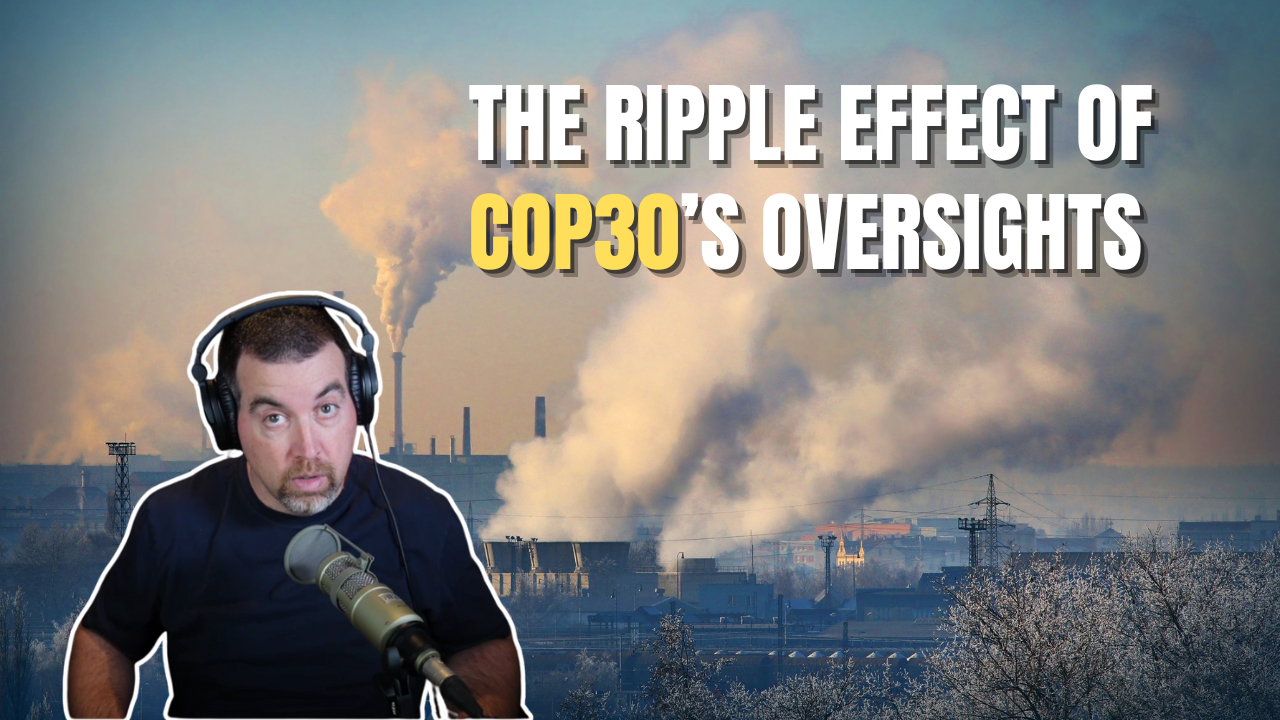
Climate leaders around the world praised the outcomes of COP30 Belém, but when you take a closer look, the ocean tells a very different story. The conference ended without any meaningful commitment to phase out fossil fuels, vague climate finance promises, and a new two-track system that risks burying ocean science and slowing real climate action.
Communities that depend on marine ecosystems for food, protection, and cultural identity are already feeling the impacts of climate change. This episode breaks down what went wrong at COP30 and why it matters for coastal communities and the future of the ocean.
Introduction
In this episode of the How to Protect the Ocean Podcast, Andrew Lewin examines the major criticisms of COP30 Belém and explores how fossil fuel negotiations, climate finance, and global policy decisions affect the ocean. We also look at how coastal habitats like seagrass, mangroves, kelp forests, and salt marshes provide powerful climate solutions that global leaders continue to overlook.
What You Will Learn
Why COP30 failed to deliver strong fossil fuel commitments
How the new two-track political system threatens ocean science
How vague climate finance rules hurt coastal communities
Why coastal habitats are essential climate solutions
How Indigenous and coastal voices were ignored at COP30
What needs to happen next to protect the ocean
The Missing Fossil Fuel Commitment
One of the most alarming outcomes of COP30 is the complete lack of a fossil fuel phase-out. COP30 “did not adopt any kind of clear fossil fuel phase out,” despite support from more than 80 countries.
Even worse, there were over 200 fossil fuel lobbyists in attendance, and the United States did not send a delegation.
“Not having the fossil fuel language and divesting away from fossil fuels… is very disappointing.”
This is not just a process failure. It directly affects the ocean by contributing to warming seas, coral bleaching, and rising sea levels.
The Climate Finance Problem
Climate finance was another major weakness. While COP30 set a goal of tripling adaptation finance by 2035, there is no clear plan for who pays, how the funds are delivered, or when support will reach the communities that need it most.
Coastal communities cannot wait another decade for funding as storms, floods, and fisheries decline continue today.
The Two-Track System
COP30 announced a new two-track system that separates political negotiations from technical work like indicators and data.
This may sound like progress, but it can also hide scientific priorities and weaken accountability. Ocean issues already struggle to earn attention at global climate talks, and this change creates more distance between politics and science.
“The ocean always takes a back seat in climate talks.”
Indigenous and Coastal Voices Left Out
One of the most shocking moments at COP30 happened during a speech by California Governor Gavin Newsom. Indigenous protestors entered the room to demand a voice in the discussions and were removed by security.
This is the reality of climate injustice. Those most affected get cut off from the conversation.
The Power of Coastal Habitats
Seagrass meadows, mangrove forests, kelp, and salt marshes remove carbon more effectively than many land based systems.
These ecosystems:
capture carbon
protect coastlines
support biodiversity
improve water quality
Yet they were almost completely absent from COP30 discussions.
Why This Matters For The Ocean
The ocean continues to absorb heat and carbon dioxide that the planet cannot handle. Without strong commitments on fossil fuel reduction and climate adaptation, we will see more:
coral bleaching
ocean warming
destructive storms
sea level rise
ocean acidification
Coastal habitats offer solutions, but they need funding, policy support, and global attention.
What You Can Do
Support seagrass and coastal habitat restoration
Share and amplify ocean stories on your platforms
Push your leaders to include oceans in climate negotiations
Support Indigenous and coastal community voices
Stay engaged and informed through ocean-based science communication
Listen and Subscribe
If you want the real story behind COP30 Belém and what it means for the ocean, listen to the full episode of the How to Protect the Ocean Podcast and subscribe for more ocean focused climate conversations.

CEO
The Hidden Costs of Seafood: Who Really Pays for “Sustainable” Tuna?