Engineering Microbes for Climate Solutions: A Sustainable Future
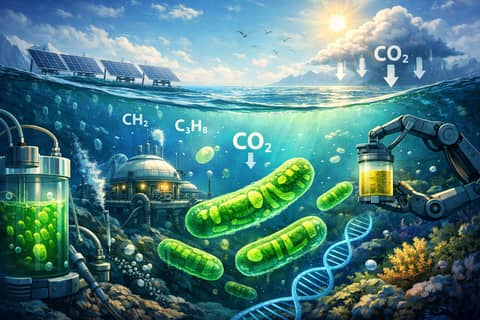
Engineering Microbes for Climate Solutions: A Sustainable Future
In a world grappling with climate change, the question arises: can engineered microbes help create a sustainable future? In this post, we delve into the fascinating realm of synthetic biology and explore how scientists are modifying ancient ocean microbes to address environmental challenges. From producing biofuels to creating biodegradable plastics, these tiny organisms have the potential to transform our manufacturing systems.
What Are Engineered Microbes?
Engineered microbes are microorganisms that have been genetically modified to perform specific functions that can benefit the environment. This innovative approach aims to harness the natural processes of these microbes to produce sustainable materials and capture carbon emissions.
The Problem with Traditional Manufacturing
Traditional industrial systems are major contributors to greenhouse gas emissions, with the chemical industry alone accounting for 6-8% of global emissions. Many materials we rely on, such as plastics and fuels, are derived from fossil fuels, leading to significant environmental impact.
The Solution: Biomanufacturing with Microbes
Biomanufacturing involves using living organisms to produce valuable materials. Scientists are focusing on cyanobacteria, photosynthetic microbes that thrive in oceans and freshwater systems. These organisms use sunlight, carbon dioxide, and water to create organic molecules, making them ideal candidates for sustainable manufacturing.
How Can Microbes Help Reduce Carbon Emissions?
Cyanobacteria can be engineered to enhance carbon capture and produce useful compounds. Here are some potential applications:
1. Carbon Neutral Plastics: Microbes can create bioplastics from captured CO2, significantly reducing reliance on fossil fuels.
2. Sustainable Chemical Manufacturing: Engineered microbes could produce industrial chemicals using sunlight and CO2, replacing oil refineries.
3. Waste Recycling: Microbial systems can convert agricultural waste and industrial emissions into valuable materials.
Examples of Microbial Engineering Success
Researchers have successfully engineered cyanobacteria to produce ethanol, biofuels, and biodegradable plastics. For instance, a landmark study demonstrated that cyanobacteria could produce ethanol directly from CO2 and sunlight, showcasing the potential for sustainable energy sources.
Addressing Ecological Concerns
While the potential of engineered microbes is promising, it raises important ecological questions. Scientists are cautious about the potential impacts of releasing modified organisms into natural environments. Research is primarily conducted in controlled settings to mitigate risks, ensuring responsible biotechnology practices.
Key Takeaways
- Engineered microbes could revolutionize manufacturing by creating sustainable materials and reducing carbon emissions.
- Cyanobacteria are at the forefront of this innovation, capable of producing biofuels, plastics, and chemicals.
- Responsible research practices are critical to ensure ecological safety when implementing these technologies.
In conclusion, engineering microbes presents a hopeful solution in the fight against climate change. By harnessing their natural processes, we can build a more sustainable future. If you're interested in learning more about this topic, stay tuned for our next episode featuring a leading scientist in synthetic biology.
Frequently Asked Questions
What are the benefits of using engineered microbes?
Engineered microbes can produce sustainable materials, reduce reliance on fossil fuels, and help capture carbon emissions.
How do cyanobacteria contribute to sustainability?
Cyanobacteria can convert sunlight, CO2, and water into organic compounds, making them ideal for biomanufacturing.
What ecological concerns are associated with engineered microbes?
There are risks related to the potential spread of modified organisms and their impact on natural ecosystems. Research is being conducted in controlled environments to mitigate these risks.

CEO
How Microbes Are Nature’s Cleanup Crew for Ocean Pollution


