Seafood Fraud: Understanding the Hidden Dangers of Mislabeled Seafood
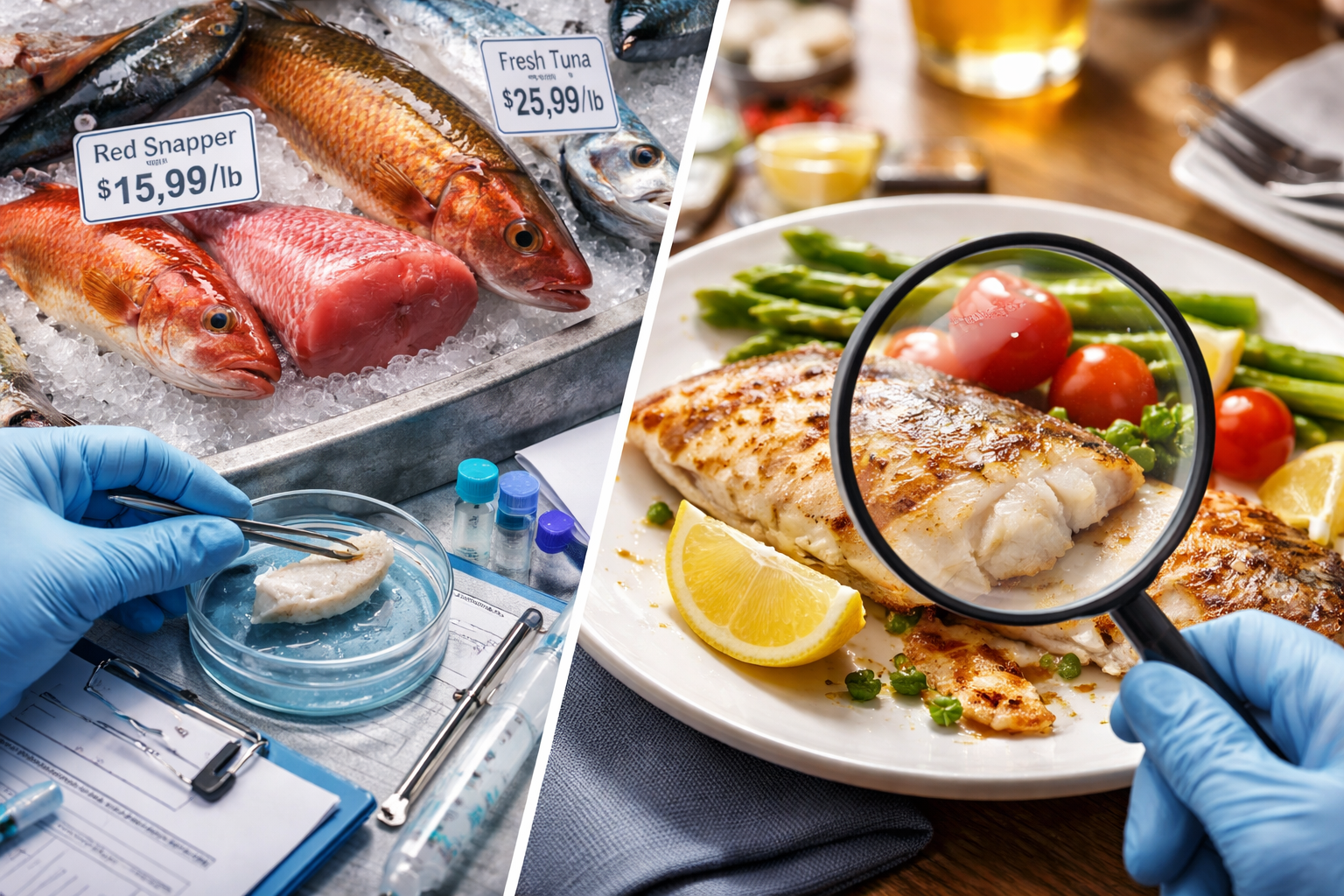
In recent years, seafood fraud has emerged as a significant concern for consumers and environmental advocates alike. Have you ever wondered if the fish on your plate is truly what it claims to be? In this post, we'll explore the prevalence of seafood mislabeling, its implications for the environment and consumer health, and what you can do to ensure you're making informed seafood choices.
What is Seafood Fraud?
Seafood fraud refers to the practice of mislabeling seafood products, either intentionally or accidentally. This deception can take many forms, such as selling cheaper fish species as high-value ones or labeling farmed fish as wild-caught. The implications of seafood fraud are far-reaching, affecting both consumers and marine ecosystems.
How Common is Seafood Mislabeling?
Scientists have been studying seafood mislabeling for over 15 years, using DNA barcoding to uncover the truth behind seafood labels. According to a global meta-analysis published in the Journal of PLOS One, approximately **33% of seafood products** are mislabeled worldwide. This alarming statistic highlights a widespread issue that consumers need to be aware of.
For instance, a 2013 study conducted by Oceana in the United States tested over 1,200 seafood samples and found that **33% were mislabeled**. In Canada, a 2019 investigation revealed that **44% of seafood samples** from grocery stores and restaurants were not what they claimed to be. European studies have shown similar patterns, with mislabeling rates ranging from **10% to over 30%** depending on the species and country.
Common Seafood Substitutions
Some of the most frequently mislabeled seafood includes:
- Red Snapper: Often replaced with tilapia or other cheaper species. In some studies, less than **10%** of samples labeled as red snapper were actually the real species.
- Escolar: Sometimes sold as white tuna, this fish can cause severe digestive issues due to its high levels of indigestible wax esters.
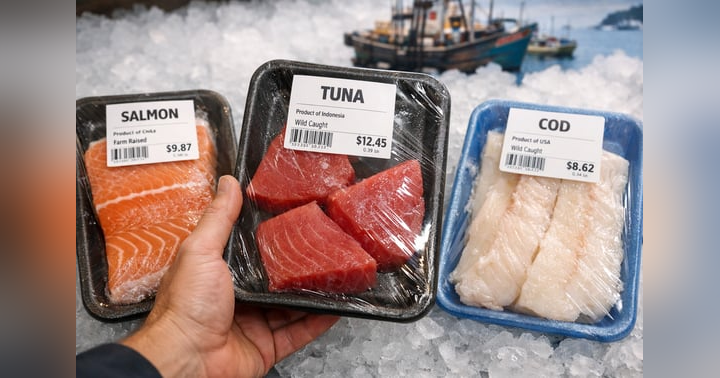
- Farmed vs. Wild Fish: Investigators have found cases where farmed Atlantic salmon was misrepresented as wild Pacific salmon, taking advantage of consumer preferences for wild-caught fish.
- Endangered Species: Threatened shark species are often sold under vague labels like "flake" or "just fish," obscuring their true identity and contributing to their decline.
The Impact of Seafood Fraud on the Environment
Seafood fraud doesn't just mislead consumers; it also has serious environmental consequences. Mislabeled fish can mask illegal fishing practices, which account for about **20% of the global marine catch**. When illegally caught fish enter markets under false labels, it becomes extremely challenging to enforce regulations and protect marine ecosystems.
Furthermore, when endangered species are mislabeled as more sustainable options, consumers cannot make informed choices, undermining sustainability efforts and certifications. This situation creates a vicious cycle of overfishing and exploitation, threatening marine biodiversity.
The Human Cost of Seafood Fraud
The issue of seafood fraud is also tied to human rights abuses within the fishing industry. Many fisheries are linked to forced labor and poor working conditions. Fishermen from developing countries often find themselves trapped on fishing boats for months or even years, with little hope of escape. These laborers are frequently denied basic rights and subjected to inhumane conditions while contributing to the seafood supply chain.
What Can You Do to Combat Seafood Fraud?
As a consumer, you can take several steps to make informed seafood choices and combat seafood fraud:
- Educate Yourself: Learn about the species of fish you consume and their sustainability status. The Marine Stewardship Council (MSC) and Seafood Watch provide valuable resources.
- Ask Questions: When dining out, inquire about the source of the seafood. Don't hesitate to ask restaurant staff about their supply chain practices.
- Choose Sustainable Options: Opt for seafood that is certified by reputable organizations, ensuring that it meets sustainability standards.
- Support Transparency: Advocate for better labeling practices and support businesses that prioritize transparency in their seafood sourcing.
Conclusion
Seafood fraud is a pervasive issue that affects consumers, marine ecosystems, and even the workers in the fishing industry. By educating yourself and making informed choices, you can help combat this problem and support sustainable seafood practices. Stay tuned for our next post, where we will delve into the challenges of seafood traceability and how it impacts global seafood governance.

CEO
Understanding Seafood Labels: What You Need to Know