Should We Be Mining the Ocean Floor? What’s at Stake Beneath the Waves
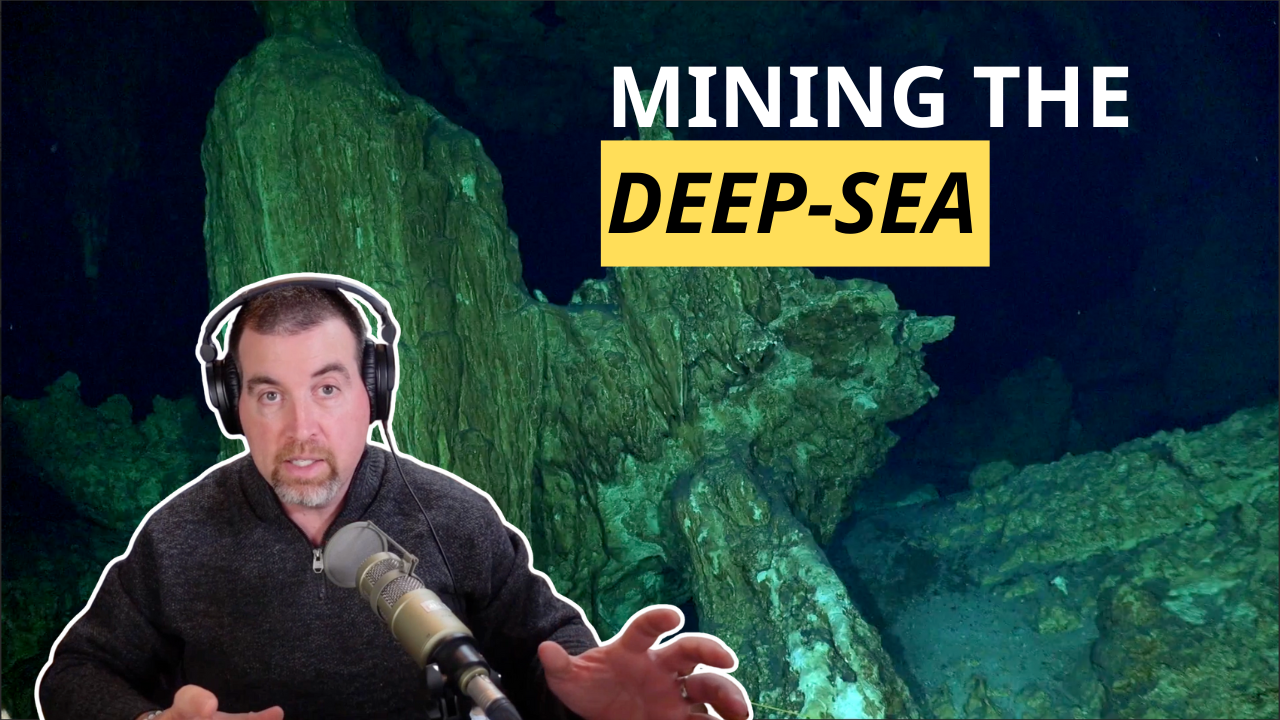
The problem we’re not talking about enough
The deepest parts of the ocean are being targeted for mining, even though we barely understand how they work or what could be lost forever. Decisions are already underway, and most people have no idea this is happening.
Introduction
In this episode of How to Protect the Ocean, we explore the growing push for deep-sea mining, what it actually involves, who is making the decisions, and why scientists and coastal communities are raising serious alarms. This is not a future issue. It is unfolding right now, quietly, and the consequences could last for centuries.
What You Will Learn
What deep-sea mining really is and how it works
The three main types of deep-sea mining being proposed
Who controls mining decisions in international waters and US waters
Why the United States’ approach is especially concerning
What could be lost before we even know it exists
How everyday people can still influence what happens next
What Is Deep-Sea Mining and How Does It Work?
Deep-sea mining refers to extracting minerals from the ocean floor, often at depths of 4,000 to 6,000 meters. These minerals are used in batteries, electronics, and renewable energy technologies.
The episode explains three main types of mining in simple terms:
Polymetallic nodules that are vacuumed from abyssal plains.
Seafloor massive sulphides that are cut from hydrothermal vent systems.
Cobalt-rich crusts that are scraped from underwater mountains.
What makes this so risky is that these ecosystems grow extremely slowly. Some nodules take millions of years to form, yet they can be removed in seconds.
Who Decides If Mining Can Happen?
In international waters, decisions are overseen by the International Seabed Authority, a UN-affiliated body tasked with regulating mining and protecting the marine environment. However, mining regulations are still incomplete, and environmental safeguards remain heavily debated.
The episode highlights a critical concern: mining may begin before strong rules are in place, turning the deep ocean into a testing ground rather than a protected ecosystem.
Why the United States’ Role Raises Alarms
The United States has not ratified the UN Convention on the Law of the Sea. Instead of working through the international system, it is advancing its own process through Requests for Information and Interest in US waters near places like American Samoa and the Northern Mariana Islands.
One powerful moment from the episode explains why this is so unsettling. Even when thousands of public comments oppose mining, agencies can still move to the next stage. Progress in the process does not mean approval, but it normalizes the idea that mining the deep sea is inevitable.
What Could Be Lost Before We Even Know It Exists?
Scientists estimate that a large percentage of deep-sea species have not yet been discovered or named. In the episode, this reality hits hard: we may destroy ecosystems before we ever understand their role in regulating the planet.
The deep sea supports global nutrient cycles, carbon storage, and food webs that connect to shallower oceans. Damage at depth does not stay isolated.
Why This Matters For The Ocean
This episode is not just about mining. It is about how humanity treats the last largely untouched ecosystem on Earth.
If deep-sea mining moves forward without precaution, it signals that no part of the ocean is off-limits. It reinforces a pattern where extraction comes first and understanding comes later. For ocean conservation, this moment will shape trust, governance, and the future health of marine ecosystems worldwide.
What You Can Do
Pay attention when public consultations and RFIs are announced
Support calls for a precautionary pause on deep-sea mining
Reduce demand by supporting recycling and longer-lasting products
Share credible journalism and scientific voices
Speak up when decisions are still being shaped
Silence is often interpreted as agreement, especially early in the process.
Listen and Stay Connected
If you care about the future of the ocean and want to understand what’s happening beneath the surface, this episode breaks it all down clearly and honestly.
Listen to the episode and subscribe to the podcast.

CEO
The Hidden Costs of Seafood: Who Really Pays for “Sustainable” Tuna?