Who Decides What Fish Ends Up on Your Plate?
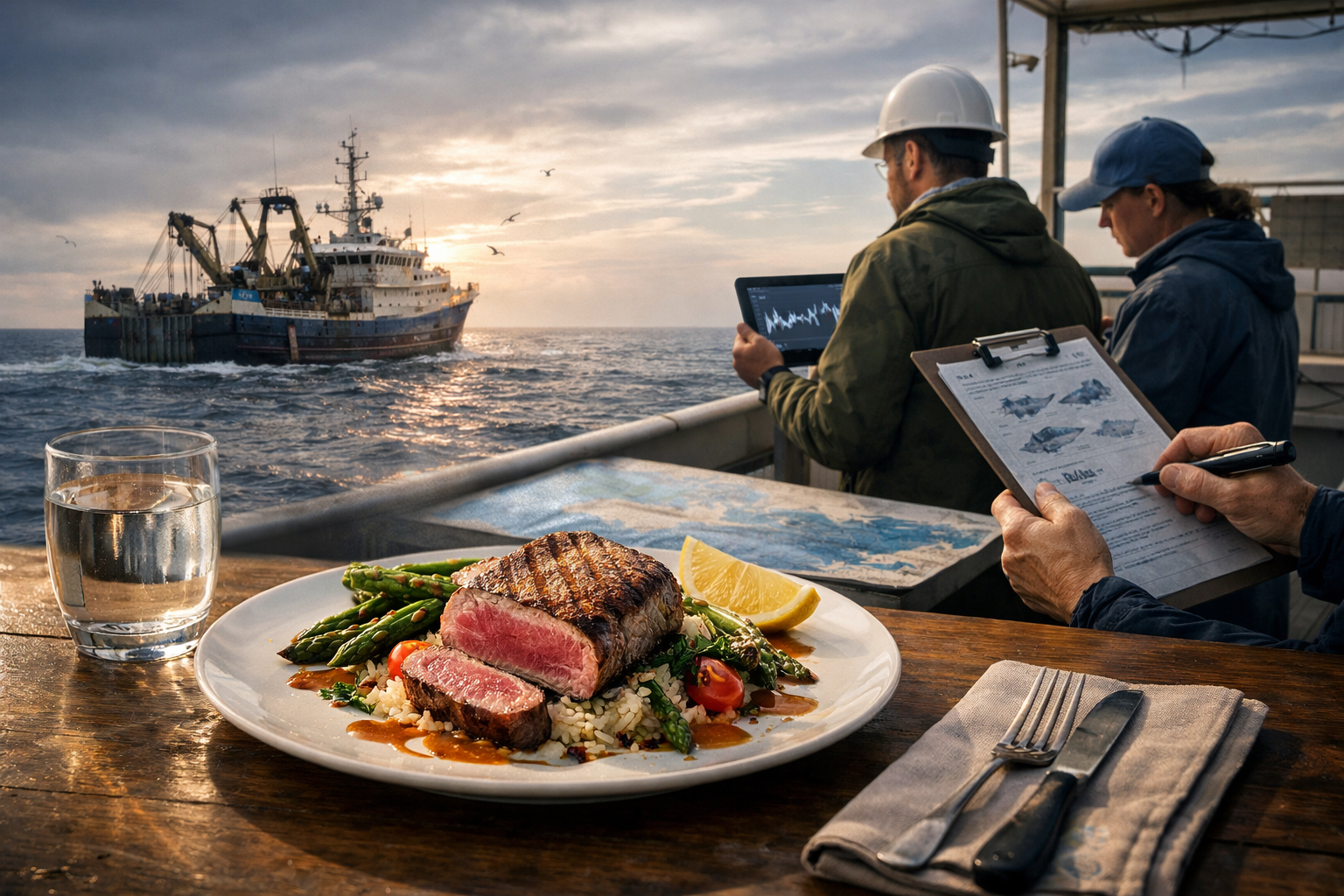
Most people do not think about fisheries when they buy seafood.
They think about taste, price, maybe whether it looks fresh, and maybe whether it says sustainable on the label.
But behind every fish on your plate is a system of science, negotiation, politics, and pressure that most people never see.
And that system matters more than most people realize.
In this episode of How to Protect the Ocean, I break down how fisheries decisions are made, why those decisions often go wrong, and why better systems can make a real difference for fish populations and the future of seafood.
What You Will Learn
How scientists estimate whether fish populations are healthy
Why politics can weaken good fishing decisions
How global fisheries are often managed across multiple countries
Why better systems can help fish populations recover
Why this matters to the seafood people buy and eat
The Hidden System Behind Seafood
At its core, fisheries work around one question: how much fish can be caught without damaging the population over time?
To answer that, scientists look at stock size, reproduction, and fishing pressure. That information helps shape catch limits and other rules meant to keep fisheries from declining.
The challenge is that science does not make the final decision on its own.
In many fisheries, especially highly migratory species like tuna, the final rules come out of negotiations between countries, regulators, and industry interests. That means science can be clear, but the response can still be slow, weak, or delayed.
Why Fisheries Often Struggle
A lot of people assume fisheries fail because scientists do not know enough.
That is not usually the main problem.
The bigger problem is often implementation.
Countries may know a stock is under pressure, but they still need to agree on limits, enforcement, and monitoring. That is where short-term interests can take over. When that happens, fish populations can keep declining even when the warning signs are obvious.
This is why some fisheries recover while others keep struggling. It is not just about the fish. It is about whether the system around the fish is willing to act.
What Is Starting to Change
The good news is that some fisheries are beginning to improve because the system itself is improving.
Science is getting stronger. Monitoring tools are getting better. Markets are putting more pressure on supply chains. Buyers are asking harder questions. And some parts of the seafood industry are aligning more closely with sustainability goals.
When those pieces start working together, fisheries have a better chance of staying healthy and recovering when problems show up.
That is what makes this topic so important.
If we want better outcomes for the ocean, we cannot just talk about overfishing. We have to understand the system that decides what happens next.
Why This Matters to You
Even if you never work in fisheries, these decisions affect you.
They shape what seafood is available, how trustworthy sustainability claims really are, and whether ocean protection is happening in practice or only on paper.
The fish on your plate is connected to decisions made far offshore, often by people and systems you will never see.
That is why this episode matters.
And it is why tomorrow’s interview matters too.
Because once you understand the system, you can better understand what real progress actually looks like.

CEO

The Hidden System Behind the Tuna on Your Plate




