Why Is Seafood Traceability So Difficult? Understanding the Challenges
Learn why tracking seafood from ocean to plate is complex and what solutions are being explored to improve transparency in the seafood industry.
Seafood is one of the most globally traded food commodities, yet tracing its origins remains a significant challenge. In this post, we will explore the multifaceted issues surrounding seafood traceability, the complexities of the supply chain, and the innovative solutions being proposed to enhance transparency.
The Complexity of Seafood Supply Chains
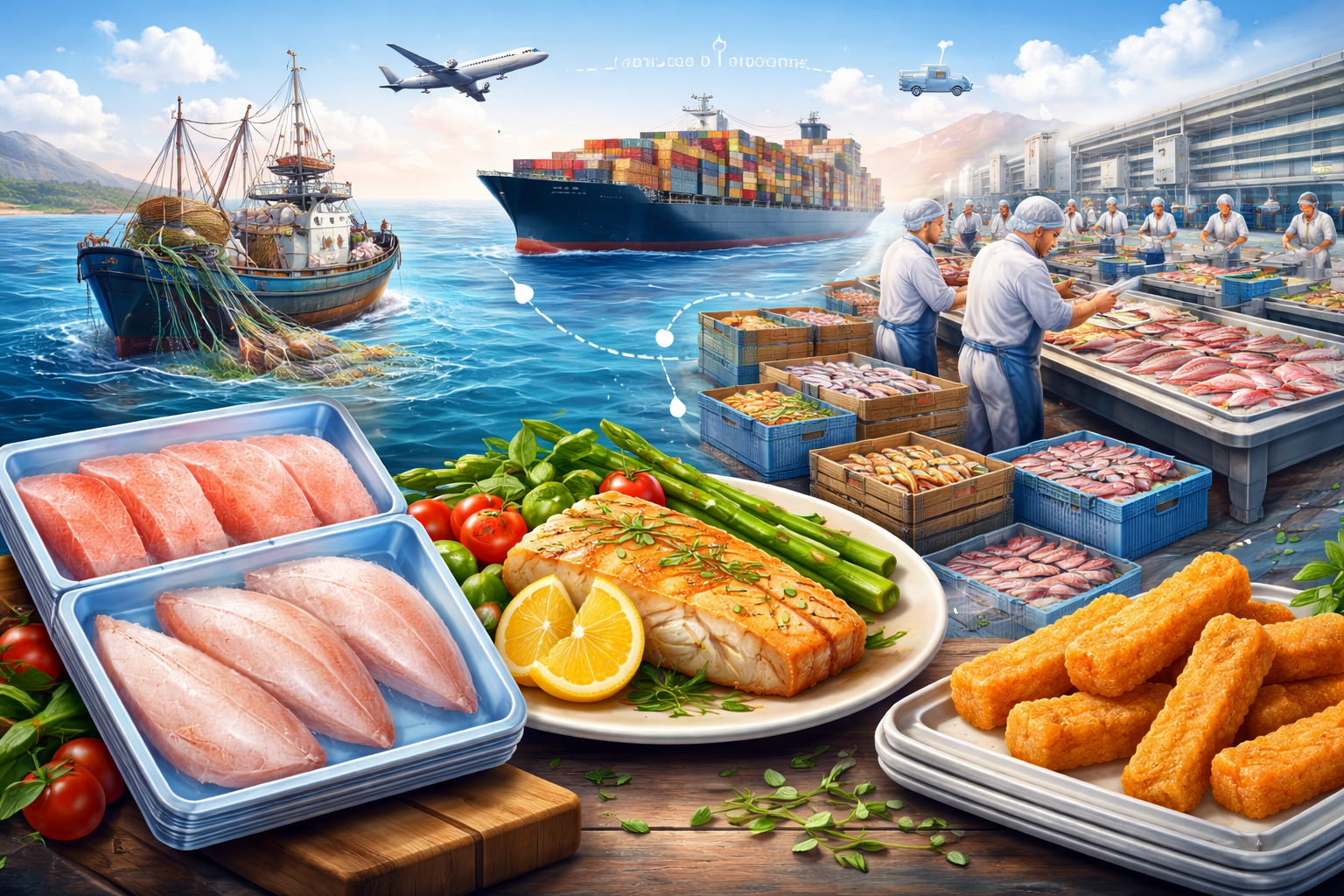
Seafood supply chains are intricate and often involve multiple stages. A fish caught in the Pacific Ocean might be processed in China, packaged in Europe, and sold in North America. This complexity creates major transparency challenges. According to the UN Food and Agriculture Organization, around 38% of global seafood production enters international trade, making it one of the most globally distributed food systems on Earth.
The Journey of Seafood
- Transshipment and Processing: A single shipment of fish can cross multiple international borders before it reaches the consumer. This process includes fishing vessels, transshipment vessels, processing plants, exporters, importers, distributors, and restaurants. Each step presents an opportunity for information to be lost or altered.
- Challenges at Sea: One significant challenge occurs during transshipment when fish caught by fishing vessels are transferred to larger refrigerated vessels at sea. This process complicates the verification of the fish’s origin, as it often happens far from port inspections.
The Role of Processing in Traceability Challenges
As seafood travels through the supply chain, it often undergoes processing that removes identifiable features.
Why Processing Complicates Traceability
- Loss of Identifiable Features: Whole fish can be identified by characteristics such as body shape and color patterns. However, once processed into products like fish fillets or sticks, these identifying features disappear. This makes it nearly impossible for inspectors to determine the species without DNA testing.
- Global Processing Locations: Seafood frequently travels to countries such as China for processing. For instance, Alaskan pollock is often shipped to China for filleting and then exported back to North America or Europe. This complicates verifying product integrity, as the origin may be obscured by processing practices across different countries.
Innovative Solutions for Improved Traceability
To address the challenges of seafood traceability, scientists and regulators are exploring a range of innovative tracking tools.
Emerging Technologies
- DNA Barcoding: This method allows scientists to identify fish species by analyzing fragments of genetic material. It has proven effective in detecting seafood substitution in various markets.
- Electronic Catch Documentation: Programs like the US Seafood Import Monitoring Program require importers to report detailed catch information, including vessel identity and catch location.
- Satellite Tracking: Systems like Automatic Identification Systems (AIS) and Vessel Monitoring Systems (VMS) enable regulators to track fishing vessels' activities. However, some vessels turn off their tracking systems to avoid detection.
- Blockchain Technology: Some seafood companies are experimenting with blockchain to create tamper-proof digital records that can track products throughout the supply chain.
Conclusion
Seafood traceability is a complex issue affected by global trade practices, processing challenges, and the loss of identifiable features throughout the supply chain. However, with the implementation of innovative technologies like DNA barcoding, electronic documentation, satellite tracking, and blockchain, the industry is taking steps towards greater transparency.
As consumers, being informed about the origins of seafood can help drive demand for traceable products. Stay tuned for our next episode, where we will delve deeper into the traceability challenges specific to squid, a seafood product that is often poorly monitored.
---
Frequently Asked Questions
Why is seafood traceability important?
Seafood traceability is crucial for ensuring food safety, preventing seafood fraud, and promoting sustainable fishing practices.
What challenges do seafood processors face?
Processors must navigate complex supply chains, regulatory requirements, and the need for accurate labeling while ensuring product integrity.
How can consumers ensure they are buying traceable seafood?
Consumers can look for certifications and labels indicating traceability, such as those provided by sustainability organizations.

CEO
Seafood Fraud: Understanding the Hidden Dangers of Mislabeled Seafood