Why Squid Seafood Traceability Is So Complicated (And How to Address It)
When you order calamari at a restaurant, do you know exactly what type of squid you're eating? Surprisingly, most menus won't tell you. In this post, we'll explore the complexities of squid traceability in the seafood industry and why it matters for both consumers and conservation efforts. With insights from experts, we’ll uncover the challenges in identifying squid species and offer actionable steps you can take to make informed seafood choices.
Understanding Squid Species and Their Management
Many people think of squid as a single type of seafood, but scientists recognize over 300 distinct squid species in our oceans. Unfortunately, seafood labeling often fails to specify which species you are consuming. Unlike fish, which are typically labeled with their specific variety—like coho or Pacific salmon—squid is often just labeled as "squid" or "calamari." This lack of transparency can mislead consumers and complicate conservation efforts.
Why Labeling Matters
When seafood products are sold under broad names without species identification, consumers are left in the dark about what they're really eating. This can lead to confusion, especially for those concerned about sustainability and ethical consumption. Mislabeling can also undermine scientific studies that track seafood supply chains and assess the health of marine ecosystems.
The Processing Challenge
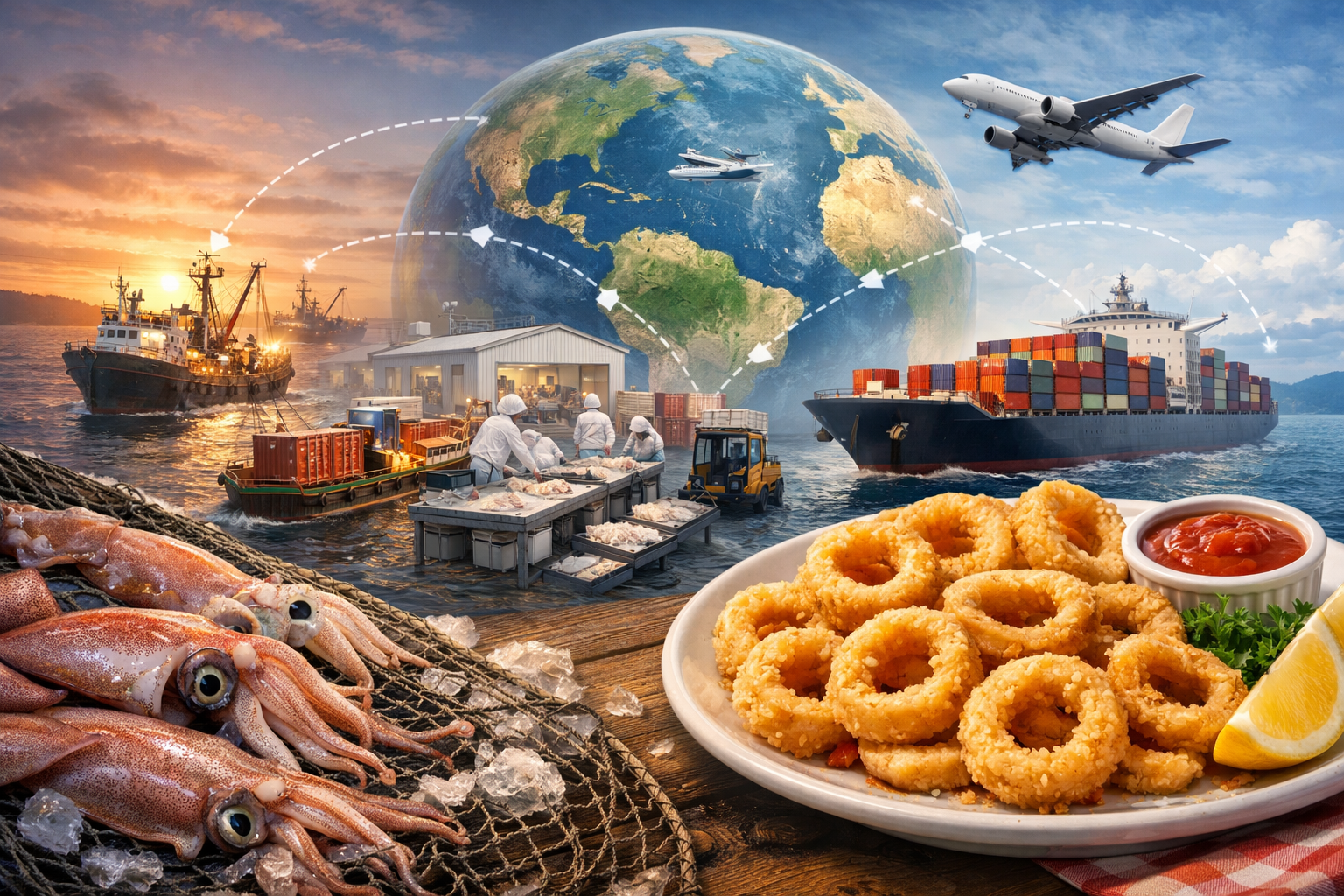
Once squid is processed into rings or other forms, identifying its species becomes nearly impossible. The unique features that scientists use to differentiate species—like body shape and color patterns—are lost during processing. This means that consumers often rely on paperwork provided by suppliers, which may not always be accurate or complete.
The Role of Fisheries Management
One of the significant hurdles in squid traceability is the management of squid fisheries. Unlike many fish stocks, squid populations are rarely managed with strict quotas or detailed assessments. The lack of effective management can lead to overfishing and depletion of certain squid species.
International Waters and Enforcement Issues
Many squid fisheries operate in international waters, where enforcement of regulations is challenging. Once a squid crosses into high seas, it is often beyond the reach of national management, making it difficult to sustain populations and ensure ethical fishing practices. This adds another layer of complexity to seafood traceability.
The Importance of DNA Barcoding
To combat the challenges of traceability, scientists are turning to DNA barcoding. This technique allows for accurate identification of species, even in processed forms like calamari. Research has shown that many seafood products marketed as a single species often contain multiple species mixed together—highlighting the need for more stringent traceability measures.
A Call to Action for Consumers
As a consumer, you have the power to influence the seafood industry. By demanding transparency and supporting businesses that prioritize sustainable practices, you can help drive change. Look for certifications, ask questions about seafood sourcing, and educate yourself on the types of squid being sold.
Conclusion
Squid traceability is a complex issue that impacts both consumers and marine conservation. By understanding the challenges and advocating for better practices in the seafood industry, you can make informed choices that support sustainable seafood consumption. If you're interested in learning more about seafood traceability, check out our next episode featuring an expert in the field.
---
FAQ Section
Why is squid so hard to trace?
The lack of specific labeling, combined with processing methods that obscure species identification, makes squid difficult to trace.
What can consumers do to ensure they're eating sustainably sourced squid?
Consumers can ask questions about sourcing, look for certifications, and support restaurants that prioritize transparency in their seafood offerings.
Are there regulations for squid fisheries?
Many squid fisheries lack strict management practices, which can lead to overfishing and a lack of species protection.

CEO
Engineering Microbes for Climate Solutions: A Sustainable Future