Why Tuna Fisheries Matter More Than You Think
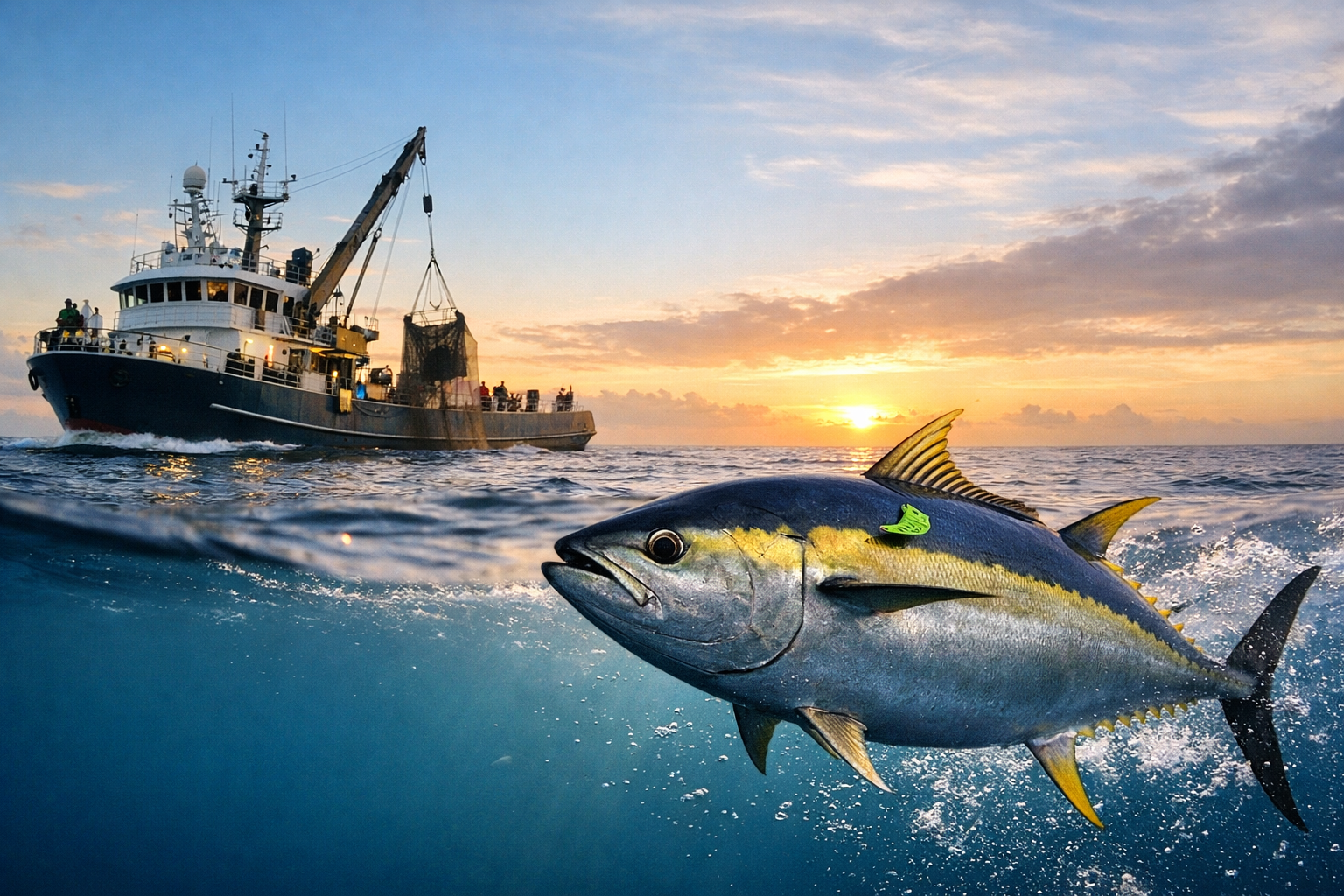
Tuna is one of the most important seafood species in the world.
It feeds millions of people, supports jobs across entire coastlines, and drives one of the biggest seafood industries on the planet. But tuna is also one of the few fisheries that can show what happens when science, industry, and governments actually work together.
That matters, because most people assume tuna fisheries are just another overfishing story. In some cases, they were under serious pressure. But the bigger story today is that tuna fisheries have become one of the clearest examples of how better rules, better data, and stronger accountability can change the direction of a fishery.
What You Will Learn
Why tuna is so important globally
Why tuna is hard to manage
What changed in tuna fisheries over the last two decades
How science helped reduce overfishing
Why fishers and seafood companies played a major role
What this means for the future of ocean conservation
Tuna Is Not Just Another Fish
Tuna moves across entire ocean basins.
That means one country cannot protect or manage tuna on its own. These fish cross borders constantly, so the only way to manage them well is through international cooperation.
That makes tuna one of the hardest species to govern. It also makes tuna one of the best tests of whether global fisheries can actually work.
If countries cannot cooperate on tuna, it is hard to imagine them cooperating on much else in the ocean.
The Old System Was Not Working
Years ago, tuna fisheries were in a much weaker position.
Scientists often knew what needed to happen, but the final decisions were shaped by negotiation and politics. Catch limits were debated, adjusted, and sometimes pushed beyond what the science recommended.
That gap between science and decision-making created real problems. Stocks came under pressure, and the risk of overfishing increased.
This is what makes the current tuna story so important. It is not impressive because tuna was always doing well. It is impressive because the system had to improve.
What Changed
A big part of the improvement came from using science more directly in the way catch limits were set.
Instead of relying only on yearly negotiations, tuna fisheries began moving toward systems that respond to the actual condition of the stock. If the stock declines, fishing pressure should go down. If the stock improves, rules can adjust.
That sounds simple, but it represents a huge shift.
It means the fishery becomes less dependent on short-term political pressure and more dependent on evidence.
At the same time, seafood companies, retailers, scientists, and conservation groups all helped push for better accountability. Some companies shared better data. Some fisheries worked toward certification. Some vessels adopted better practices to reduce impacts and improve transparency.
Those changes added up.
Why Fishers Matter So Much
None of this works unless the people on the water actually change what they do.
Fishers are not just part of the problem in these conversations. In tuna fisheries, they have also been part of the solution.
When vessels adopt better practices, improve reporting, reduce bycatch, and follow stronger rules, the fishery starts to shift. Not overnight, but steadily.
That is what makes this story useful beyond tuna.
Ocean protection is often framed as something that happens only through policy or only through activism. Tuna shows that real progress usually happens when science, policy, markets, and people on the water all move in the same direction.
Why This Matters for the Ocean
Tuna fisheries matter because they prove something a lot of people have stopped believing:
Fisheries can improve.
That does not mean everything is fixed. There are still major challenges around monitoring, enforcement, climate change, and making sure all fisheries stay on track.
But this is still one of the strongest examples we have of a global fishery moving in the right direction.
That is worth paying attention to.
Because if we want to protect the ocean, we need more than warnings. We need examples of what works.
Tuna is one of those examples.

CEO

The Ocean Career Path Nobody Talks About