The Ocean’s Secret Cleanup Crew: Microbes That Eat Oil and Pollution


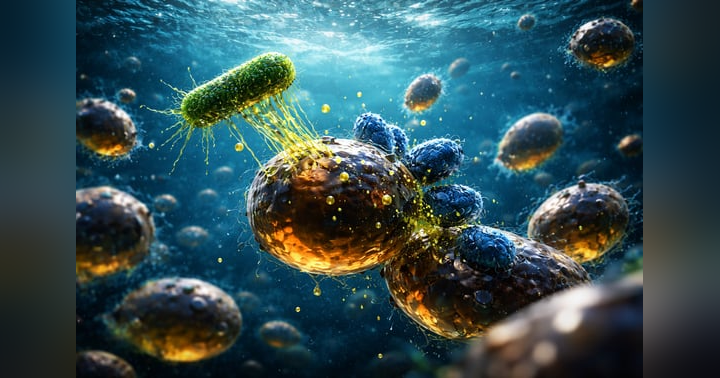
Millions of people see the damage caused by oil spills and plastic pollution, but very few know what happens beneath the surface. In the ocean, microscopic organisms begin responding almost immediately. Certain marine microbes can actually consume hydrocarbons and other pollutants, turning toxic compounds into energy.
Ocean microbes play a surprising role in pollution cleanup. After the Deepwater Horizon oil spill, scientists observed massive blooms of oil degrading bacteria that rapidly multiplied as they fed on hydrocarbons released into the water. These microbes act as nature’s chemical recyclers, breaking down pollutants and helping ecosystems recover.
In this episode, we explore how marine microbes break down oil, what scientists learned from major spills, and whether these organisms could help tackle future pollution problems. While microbes can help mitigate damage, they also reveal the limits of nature’s ability to absorb human pollution.
Share this episode.
00:00:00,000 --> 00:00:02,125
When oil spills occur, the images that
2
00:00:02,125 --> 00:00:03,625
dominate the news are
3
00:00:03,625 --> 00:00:06,000
coated birds, damaged coastlines,
4
00:00:06,333 --> 00:00:08,416
and blackened water. But beneath the
5
00:00:08,416 --> 00:00:09,291
surface, something
6
00:00:09,291 --> 00:00:11,000
remarkable often happens.
7
00:00:11,791 --> 00:00:14,458
Microbes begin to eat the oil. Within
8
00:00:14,458 --> 00:00:17,000
days of the spill, entire microbial
9
00:00:17,000 --> 00:00:18,375
communities can shift.
10
00:00:18,833 --> 00:00:21,000
Bacteria that were previously rare
11
00:00:21,000 --> 00:00:23,541
suddenly multiply, feeding on the
12
00:00:23,541 --> 00:00:24,541
hydrocarbons released
13
00:00:24,625 --> 00:00:26,875
into the water. Scientists often describe
14
00:00:26,875 --> 00:00:27,833
these microbes as
15
00:00:27,833 --> 00:00:29,291
"ocean's first responders"
16
00:00:29,875 --> 00:00:32,083
because long before humans can deploy
17
00:00:32,083 --> 00:00:34,000
cleanup ships or skimmers,
18
00:00:34,541 --> 00:00:36,833
microbes are already at work.
19
00:00:37,291 --> 00:00:38,500
This is the How to Protect the Ocean
20
00:00:38,500 --> 00:00:40,291
podcast, your weekday news
21
00:00:40,291 --> 00:00:42,916
update for oceans. If you care
22
00:00:43,041 --> 00:00:45,083
about staying up informed on the ocean
23
00:00:45,083 --> 00:00:46,541
every weekday, hit the
24
00:00:46,541 --> 00:00:48,000
follow button right now so you
25
00:00:48,000 --> 00:00:50,041
don't miss tomorrow's story. Here's the
26
00:00:50,041 --> 00:00:51,458
problem. We have ocean
27
00:00:51,458 --> 00:00:53,125
pollution. It comes in all forms.
28
00:00:53,500 --> 00:00:54,625
And it's one of the biggest environmental
29
00:00:54,625 --> 00:00:55,750
challenges facing
30
00:00:55,750 --> 00:00:57,333
marine ecosystems. Oil spills
31
00:00:57,583 --> 00:00:59,333
happen all over the world on a regular
32
00:00:59,333 --> 00:01:00,833
basis, more than we think. Not
33
00:01:00,833 --> 00:01:02,833
necessarily large oil spills, although
34
00:01:02,833 --> 00:01:04,458
those happen, but we start to get a lot
35
00:01:04,458 --> 00:01:06,666
of little spills. Oil spills release
36
00:01:06,666 --> 00:01:09,083
massive quantities of hydrocarbons into
37
00:01:09,083 --> 00:01:10,125
the environments, into
38
00:01:10,125 --> 00:01:11,083
any ocean environment.
39
00:01:11,500 --> 00:01:13,250
One of the most famous examples of course
40
00:01:13,250 --> 00:01:15,958
is the Deepwater Horizon spill in 2010,
41
00:01:15,958 --> 00:01:18,750
which released about 4.9 million barrels
42
00:01:18,750 --> 00:01:21,250
of oil into the Gulf of Mexico, making it
43
00:01:21,250 --> 00:01:22,291
the largest marine
44
00:01:22,291 --> 00:01:24,125
oil spill in US history.
45
00:01:24,541 --> 00:01:26,416
Oil spreads quickly across the ocean
46
00:01:26,416 --> 00:01:28,333
surface, but it also dissolves and
47
00:01:28,333 --> 00:01:30,125
dissipates through the water column,
48
00:01:30,125 --> 00:01:33,250
exposing fish, plankton, and deep sea
49
00:01:33,250 --> 00:01:36,125
ecosystems to toxic compounds. And oil is
50
00:01:36,125 --> 00:01:37,916
only one part of the pollution problem.
51
00:01:38,458 --> 00:01:40,625
The ocean is also accumulating plastic
52
00:01:40,625 --> 00:01:42,916
debris, synthetic chemicals, industrial
53
00:01:42,916 --> 00:01:44,875
pollutants, and agricultural runoff.
54
00:01:45,541 --> 00:01:48,625
Plastics also are estimated to reach 11
55
00:01:48,625 --> 00:01:50,791
million metric tons entering the ocean
56
00:01:50,791 --> 00:01:53,166
every year, if current trends continue.
57
00:01:53,583 --> 00:01:55,750
Many of these pollutants persist for
58
00:01:55,750 --> 00:01:58,125
decades or centuries. Traditional cleanup
59
00:01:58,125 --> 00:01:59,708
methods such as skimming oil from the
60
00:01:59,708 --> 00:02:01,958
surface or collecting debris can help,
61
00:02:01,958 --> 00:02:04,166
but they are expensive and rarely remove
62
00:02:04,166 --> 00:02:06,000
everything. However, the ocean has its
63
00:02:06,000 --> 00:02:07,458
own response, microbes.
64
00:02:08,208 --> 00:02:09,791
One of the most important discoveries
65
00:02:09,791 --> 00:02:12,000
about microbial pollution cleanup came
66
00:02:12,000 --> 00:02:13,708
after the deep sea horizon spill.
67
00:02:14,250 --> 00:02:15,458
Scientists studying the Gulf of Mexico
68
00:02:15,458 --> 00:02:16,708
noticed something unusual.
69
00:02:17,333 --> 00:02:19,458
Certain bacteria began to explode in
70
00:02:19,458 --> 00:02:21,541
population. Researchers analyzing
71
00:02:21,541 --> 00:02:23,583
seawater samples discovered large
72
00:02:23,583 --> 00:02:25,750
microbial blooms composed of oil
73
00:02:25,750 --> 00:02:28,250
degrading bacteria. These microbes were
74
00:02:28,250 --> 00:02:30,291
feeding on hydrocarbons released from the
75
00:02:30,291 --> 00:02:32,625
spill. The bacteria were not introduced
76
00:02:32,625 --> 00:02:35,208
by humans. They were already present in
77
00:02:35,208 --> 00:02:37,500
the ocean, waiting for an energy source.
78
00:02:38,166 --> 00:02:40,083
When the oil arrived, they multiplied
79
00:02:40,083 --> 00:02:42,291
rapidly. Key findings from these studies
80
00:02:42,291 --> 00:02:44,583
included oil degrading bacteria increased
81
00:02:44,583 --> 00:02:46,500
dramatically in contaminated waters,
82
00:02:47,000 --> 00:02:49,375
microbes metabolized hydrocarbons as an
83
00:02:49,375 --> 00:02:51,458
energy source, and entire microbial
84
00:02:51,458 --> 00:02:53,416
communities reorganized around oil
85
00:02:53,416 --> 00:02:55,875
degradation. Several bacteria groups
86
00:02:55,875 --> 00:02:57,666
became dominant during the spill.
87
00:02:58,083 --> 00:02:59,625
Important genera, and I'm going to try
88
00:02:59,625 --> 00:03:01,291
and pronounce this properly, included
89
00:03:01,291 --> 00:03:03,041
alkadivorex bacteria specialize in
90
00:03:03,041 --> 00:03:05,583
breaking down alkanes, a common type of
91
00:03:05,583 --> 00:03:07,291
hydrocarbon found in crude oil.
92
00:03:07,458 --> 00:03:09,083
In normal ocean conditions, these
93
00:03:09,083 --> 00:03:10,958
microbes are relatively rare, but after
94
00:03:10,958 --> 00:03:12,708
oil spills, they can dominate microbial
95
00:03:12,708 --> 00:03:15,416
communities. In some contaminated waters,
96
00:03:15,416 --> 00:03:17,208
they have been shown to make up up to 90%
97
00:03:17,583 --> 00:03:19,041
of microbial populations.
98
00:03:19,666 --> 00:03:22,375
Also, there's cycloclasticus. This
99
00:03:22,375 --> 00:03:24,500
bacteria targets aromatic hydrocarbons,
100
00:03:24,500 --> 00:03:26,083
which are some of the most toxic
101
00:03:26,083 --> 00:03:28,583
compounds of crude oil. These compounds
102
00:03:28,583 --> 00:03:31,000
include polycyclic aromatic
103
00:03:31,000 --> 00:03:33,875
hydrocarbons, often called PAHs.
104
00:03:34,125 --> 00:03:36,166
PAHs can damage fish development and
105
00:03:36,166 --> 00:03:38,750
accumulate in food webs. Cycloclasticus
106
00:03:38,750 --> 00:03:41,000
bacteria break these compounds down,
107
00:03:41,375 --> 00:03:41,958
reducing their
108
00:03:41,958 --> 00:03:43,500
persistence in the environment.
109
00:03:44,208 --> 00:03:45,958
Marineobacter are versatile oil
110
00:03:45,958 --> 00:03:48,541
degraders. They can metabolize a wide
111
00:03:48,541 --> 00:03:50,541
range of hydrocarbons and often work
112
00:03:50,541 --> 00:03:52,375
alongside other microbes in mixed
113
00:03:52,375 --> 00:03:54,875
communities. These microbial teams called
114
00:03:54,875 --> 00:03:57,125
consorcia collectively break down
115
00:03:57,125 --> 00:03:59,083
different parts of the oil mixture.
116
00:03:59,416 --> 00:04:01,500
Together, these microbes act like the
117
00:04:01,500 --> 00:04:04,125
biochemical cleanup crew. Crude oil is
118
00:04:04,125 --> 00:04:06,208
made up of complex hydrocarbon molecules.
119
00:04:06,625 --> 00:04:08,375
These molecules store energy, which
120
00:04:08,375 --> 00:04:10,583
microbes can use to grow and reproduce.
121
00:04:11,250 --> 00:04:13,208
Some bacteria produce specialized enzymes
122
00:04:13,208 --> 00:04:15,250
that allow them to break hydrocarbons
123
00:04:15,250 --> 00:04:17,333
apart. The process generally works like
124
00:04:17,333 --> 00:04:19,000
this. First, the enzymes attack large
125
00:04:19,000 --> 00:04:21,125
hydrocarbon molecules. These molecules
126
00:04:21,125 --> 00:04:22,791
are broken down into smaller compounds.
127
00:04:23,166 --> 00:04:23,833
The bacteria then
128
00:04:23,833 --> 00:04:26,083
metabolize these compounds as fuel.
129
00:04:26,125 --> 00:04:28,625
Through this metabolism, hydrocarbons are
130
00:04:28,625 --> 00:04:31,083
converted into carbon dioxide, water, and
131
00:04:31,083 --> 00:04:33,458
new microbial mass. Essentially, microbes
132
00:04:33,458 --> 00:04:35,583
are transforming oil into biological
133
00:04:35,583 --> 00:04:37,583
material. In some environments, this
134
00:04:37,583 --> 00:04:39,541
process can remove a significant portion
135
00:04:39,541 --> 00:04:41,625
of spilt oil naturally over time.
136
00:04:41,916 --> 00:04:43,458
For example, studies in the Deepwater
137
00:04:43,458 --> 00:04:45,375
Horizon Spill suggest that microbial
138
00:04:45,375 --> 00:04:47,791
degradation removes large quantities of
139
00:04:47,791 --> 00:04:49,583
dissolved hydrocarbons from the deep
140
00:04:49,583 --> 00:04:51,958
plume within months. Microbes are
141
00:04:51,958 --> 00:04:52,875
therefore acting as
142
00:04:52,875 --> 00:04:54,083
chemical recyclers of the ocean.
143
00:04:54,125 --> 00:04:56,833
They transform pollutants into compounds
144
00:04:56,833 --> 00:04:59,291
that can reenter natural biogeochemical
145
00:04:59,291 --> 00:05:02,000
cycles. Scientists are now exploring how
146
00:05:02,000 --> 00:05:04,333
microbial processes could be enhanced to
147
00:05:04,333 --> 00:05:06,958
help clean pollution more effectively.
148
00:05:07,458 --> 00:05:08,333
One research also
149
00:05:08,333 --> 00:05:09,083
involves bio stimulation.
150
00:05:09,125 --> 00:05:12,125
This strategy adds nutrients like
151
00:05:12,125 --> 00:05:14,125
nitrogen or phosphorus to polluted waters
152
00:05:14,125 --> 00:05:16,708
to stimulate growth of oil-degradating
153
00:05:16,708 --> 00:05:19,041
microbes. Because microbial growth is
154
00:05:19,041 --> 00:05:21,375
often limited by nutrients, adding small
155
00:05:21,375 --> 00:05:23,541
amounts can accelerate biodegradation.
156
00:05:24,041 --> 00:05:25,916
This technique was used during the Exxon
157
00:05:25,916 --> 00:05:27,625
Valdez oil spill in Alaska, where
158
00:05:27,625 --> 00:05:29,458
nutrient fertilizers were applied to
159
00:05:29,458 --> 00:05:31,333
contaminated shorelines to stimulate
160
00:05:31,333 --> 00:05:33,083
microbial oil degradation.
161
00:05:33,541 --> 00:05:34,750
Another emerging field is
162
00:05:34,750 --> 00:05:37,500
plastic-degrading microbes. For decades,
163
00:05:37,708 --> 00:05:39,500
scientists believed plastics were almost
164
00:05:39,500 --> 00:05:42,083
impossible for microbes to digest. But in
165
00:05:42,083 --> 00:05:44,333
2016, researchers discovered a bacterium
166
00:05:44,333 --> 00:05:47,625
called indionella sakiesis.
167
00:05:48,666 --> 00:05:50,750
I butchered that, I apologize. But they
168
00:05:50,750 --> 00:05:53,541
could break down PET plastics, the type
169
00:05:53,541 --> 00:05:55,750
they are used in many bottles. The
170
00:05:55,750 --> 00:05:57,708
bacterium produces enzymes that degrade
171
00:05:57,708 --> 00:06:00,333
PET into its chemical building blocks.
172
00:06:00,916 --> 00:06:01,791
Researchers are now studying whether
173
00:06:01,791 --> 00:06:02,916
similar microbes exist
174
00:06:02,916 --> 00:06:03,791
in marine environments.
175
00:06:04,500 --> 00:06:05,875
Other studies have identified marine
176
00:06:05,875 --> 00:06:08,916
fungi and bacteria capable of slowing
177
00:06:08,916 --> 00:06:11,291
degrading polyethylene, the most common
178
00:06:11,291 --> 00:06:13,541
plastic in the ocean. Scientists are now
179
00:06:13,541 --> 00:06:15,583
exploring microbial consortia, where
180
00:06:15,583 --> 00:06:17,416
multiple microbes work together to
181
00:06:17,416 --> 00:06:19,958
degrade complex pollutants. One species
182
00:06:19,958 --> 00:06:22,208
might break down large plastic polymers,
183
00:06:22,208 --> 00:06:24,166
while another consumes smaller fragments.
184
00:06:24,625 --> 00:06:25,333
Together, they
185
00:06:25,333 --> 00:06:26,083
complete the entire process.
186
00:06:27,125 --> 00:06:29,000
The research is still developing, but it
187
00:06:29,000 --> 00:06:31,291
could transform how we approach pollution
188
00:06:31,291 --> 00:06:33,333
cleanup. Now, I want to just let you know
189
00:06:33,333 --> 00:06:36,000
that there are limits. Microbial cleanup
190
00:06:36,000 --> 00:06:38,500
is powerful, but it is not a magic
191
00:06:38,500 --> 00:06:41,208
solution. Large spills can cause severe
192
00:06:41,208 --> 00:06:43,833
ecological damage right off the bat. Oil
193
00:06:43,833 --> 00:06:45,666
can smother coral reefs, poison fish
194
00:06:45,666 --> 00:06:47,083
larvae, and destroy coastal habitats.
195
00:06:47,125 --> 00:06:49,500
And some pollutants are extremely
196
00:06:49,500 --> 00:06:51,333
resistant to microbial breakdown.
197
00:06:52,041 --> 00:06:53,000
Examples include certain types of
198
00:06:53,000 --> 00:06:55,083
plastics, persistent organic pollutants,
199
00:06:55,708 --> 00:06:57,583
and heavy metals. In many cases,
200
00:06:58,000 --> 00:07:00,208
microbial cleanup can take years or
201
00:07:00,208 --> 00:07:02,666
decades. Even after the Deepwater Horizon
202
00:07:02,666 --> 00:07:04,708
spill, traces of oil remained in sediment
203
00:07:04,708 --> 00:07:07,000
and deep sea ecosystems for years.
204
00:07:07,916 --> 00:07:09,750
Microbes help mitigate damage, but they
205
00:07:09,750 --> 00:07:11,833
cannot fully reverse it. The best
206
00:07:11,833 --> 00:07:14,083
solution to pollution remains prevention.
207
00:07:14,125 --> 00:07:17,750
I want to reiterate how important it is
208
00:07:17,750 --> 00:07:19,458
to understand how these microbes work,
209
00:07:19,708 --> 00:07:22,791
but all in small doses. The immediate
210
00:07:22,791 --> 00:07:26,000
effect of having these pollutants in the
211
00:07:26,000 --> 00:07:29,750
water can be detrimental to all ocean
212
00:07:29,750 --> 00:07:30,875
ecosystems and the
213
00:07:30,875 --> 00:07:32,083
species that live within it.
214
00:07:32,333 --> 00:07:35,208
This is not a cure and to say, hey, this
215
00:07:35,208 --> 00:07:37,416
is how we solve oil spills. This is where
216
00:07:37,416 --> 00:07:39,625
we can use oil on a regular basis because
217
00:07:39,625 --> 00:07:41,166
we don't have to worry about oil spills
218
00:07:41,166 --> 00:07:42,750
anymore. No, this is just what we're
219
00:07:42,750 --> 00:07:44,500
discovering what happens in the ocean.
220
00:07:45,041 --> 00:07:47,208
Maybe in some day, in some cases, we'll
221
00:07:47,208 --> 00:07:49,208
be able to get it at some point, but not
222
00:07:49,208 --> 00:07:50,833
today, not tomorrow, and
223
00:07:50,833 --> 00:07:51,708
not for the near future.
224
00:07:52,125 --> 00:07:55,583
We need to divest ourselves away from oil
225
00:07:55,583 --> 00:07:58,375
products away from using oil and drilling
226
00:07:58,375 --> 00:07:59,916
for oil to protect our
227
00:07:59,916 --> 00:08:01,791
oceans for a myriad of reasons.
228
00:08:02,416 --> 00:08:04,083
All right. If you love this type of
229
00:08:04,083 --> 00:08:05,750
episode, if you love this breakdown, if
230
00:08:05,750 --> 00:08:07,166
you love learning about microbes in the
231
00:08:07,166 --> 00:08:08,333
ocean and all these different things
232
00:08:08,333 --> 00:08:10,000
about the ocean, hit that follow button
233
00:08:10,000 --> 00:08:12,083
right now. We're trying to get to the top
234
00:08:12,083 --> 00:08:14,416
of the charts in almost every country and
235
00:08:14,416 --> 00:08:15,416
certain countries were in the
236
00:08:15,416 --> 00:08:16,833
top 100, which is fantastic.
237
00:08:17,125 --> 00:08:19,958
But I want to get to the top. I want you
238
00:08:19,958 --> 00:08:21,583
guys to help me in each and every one of
239
00:08:21,583 --> 00:08:23,291
your countries to get how to protect the
240
00:08:23,291 --> 00:08:25,333
ocean to the top. And by doing that, if
241
00:08:25,333 --> 00:08:27,291
you hit that follow button, that helps
242
00:08:27,291 --> 00:08:29,291
get us to the top of those charts. So if
243
00:08:29,291 --> 00:08:31,083
you want to help us get to the top, if
244
00:08:31,083 --> 00:08:33,083
you want to help us be a great community
245
00:08:33,083 --> 00:08:33,875
and build our
246
00:08:33,875 --> 00:08:35,083
community, that would be amazing.
247
00:08:35,125 --> 00:08:37,958
And I have something for you as a way to
248
00:08:37,958 --> 00:08:40,166
interact and the way to talk in just a
249
00:08:40,166 --> 00:08:41,916
second. If you just let me finish these
250
00:08:41,916 --> 00:08:44,166
last final thoughts. All right. Microbes
251
00:08:44,166 --> 00:08:45,833
remind us of something important about
252
00:08:45,833 --> 00:08:48,333
the ocean that life evolves solutions to
253
00:08:48,333 --> 00:08:50,541
environmental challenges. Over millions
254
00:08:50,541 --> 00:08:52,500
of years, microbes evolved ways to break
255
00:08:52,500 --> 00:08:53,875
down natural hydrocarbons
256
00:08:53,875 --> 00:08:55,083
that seep from the sea floor.
257
00:08:55,125 --> 00:08:57,833
Today, those same microbes help clean up
258
00:08:57,833 --> 00:08:59,750
human pollution with of course some
259
00:08:59,750 --> 00:09:01,625
limits. They are part of the oceans
260
00:09:01,625 --> 00:09:04,041
resilience, but the resilience has
261
00:09:04,041 --> 00:09:06,958
limits. Microbes can help repair damage.
262
00:09:07,208 --> 00:09:09,375
They cannot undo all of it. Tomorrow
263
00:09:09,375 --> 00:09:11,083
we're going to explore a new frontier.
264
00:09:11,541 --> 00:09:13,000
Scientists are now engineering microbes
265
00:09:13,000 --> 00:09:14,875
to help solve climate challenges. And
266
00:09:14,875 --> 00:09:16,750
that is where synthetic biology enters
267
00:09:16,750 --> 00:09:17,083
the ocean conservation.
268
00:09:17,125 --> 00:09:19,708
So honestly, if you want to help this
269
00:09:19,708 --> 00:09:21,708
show grow, if you want to learn more
270
00:09:21,708 --> 00:09:23,375
about oceans and you want more people to
271
00:09:23,375 --> 00:09:24,625
learn about oceans, hit that follow
272
00:09:24,625 --> 00:09:26,375
button right away. Share this episode
273
00:09:26,375 --> 00:09:27,875
with somebody you think that would be
274
00:09:27,875 --> 00:09:29,583
interested in this knowledge.
275
00:09:30,041 --> 00:09:32,458
I started this podcast because when I was
276
00:09:32,458 --> 00:09:34,458
a kid that didn't have internet, I had to
277
00:09:34,458 --> 00:09:36,583
rely on my library that didn't have a lot
278
00:09:36,583 --> 00:09:37,958
of information on oceans because I lived
279
00:09:37,958 --> 00:09:39,916
in Ontario. I still live in Ontario, but
280
00:09:39,916 --> 00:09:41,458
here I am providing you with the
281
00:09:41,458 --> 00:09:43,583
information that you need to learn about
282
00:09:43,583 --> 00:09:45,500
the ocean and act for a better ocean.
283
00:09:45,833 --> 00:09:47,083
Live for a better ocean.
284
00:09:47,416 --> 00:09:49,708
So if you want to see this show grow and
285
00:09:49,708 --> 00:09:51,000
you want more people to listen to it,
286
00:09:51,000 --> 00:09:52,625
let's grow our community because you love
287
00:09:52,625 --> 00:09:54,166
it as well. That would be great. Just hit
288
00:09:54,166 --> 00:09:55,791
that follow button. This is the special
289
00:09:55,791 --> 00:09:57,958
thing. If you want to have your say and
290
00:09:57,958 --> 00:10:00,000
comment on this information and comment
291
00:10:00,000 --> 00:10:01,750
on this episode, you can do that. Go to
292
00:10:01,750 --> 00:10:04,375
speakupforblue.com forward slash
293
00:10:04,375 --> 00:10:06,958
feedback. That's speakupforblue.com
294
00:10:06,958 --> 00:10:07,083
forward slash feedback.
295
00:10:07,125 --> 00:10:09,750
I would love to hear what you have to say
296
00:10:09,750 --> 00:10:11,875
about microbes in general, the ocean in
297
00:10:11,875 --> 00:10:13,541
general. If you want to hear a specific
298
00:10:13,541 --> 00:10:15,375
topic, if you haven't noticed, I've
299
00:10:15,375 --> 00:10:16,833
changed obviously things that are going
300
00:10:16,833 --> 00:10:19,000
on these days. I've been doing four solo
301
00:10:19,000 --> 00:10:21,416
episodes for Monday to Thursday and an
302
00:10:21,416 --> 00:10:23,458
interview episode on the Friday. They all
303
00:10:23,458 --> 00:10:25,666
relate all in one theme. I really like
304
00:10:25,666 --> 00:10:27,750
this way of doing this stuff and I'd love
305
00:10:27,750 --> 00:10:30,000
to hear your thoughts on this as well. So
306
00:10:30,000 --> 00:10:31,291
hit that follow button. Go to
307
00:10:31,291 --> 00:10:33,000
speakupforblue.com forward slash
308
00:10:33,000 --> 00:10:35,333
feedback. That's speakupforblue.com
309
00:10:35,333 --> 00:10:36,791
forward slash feedback. And I want to
310
00:10:36,791 --> 00:10:37,083
thank you so much for watching. I'm Chris
311
00:10:40,583 --> 00:10:41,708
Andrew, and I'm your host Andrew Lewin.
312
00:10:41,708 --> 00:10:43,083
Have a great day. We'll talk to you next
313
00:10:43,083 --> 00:10:44,208
time and happy conservation.