Ocean Startups Are Changing Conservation Faster Than Science Alone


Ocean conservation is no longer driven by science alone, startups are stepping in to turn ideas into real-world solutions at scale. In this episode, we explore how companies like Coral Vita and Running Tide are accelerating reef restoration and experimenting with ocean-based carbon removal, bringing speed, funding, and innovation into a space that has traditionally moved slowly.
Ocean startups are reshaping how solutions are built, tested, and scaled. You will learn how these companies combine science, business models, and emerging technologies to tackle coral bleaching, climate change, and ecosystem loss. We also break down the risks, including overpromising, ecological uncertainty, and the need for strong governance to guide innovation.
Ocean solutions are evolving quickly, and understanding where startups fit into conservation could change how we approach protecting marine ecosystems. This episode connects science, policy, and business so you can see what is actually working and what might define the future of ocean protection.
Support Independent Podcasts: https://www.speakupforblue.com/patreon
Help fund a new seagrass podcast: https://www.speakupforblue.com/seagrass
Connect with Speak Up For Blue
Website: https://bit.ly/3fOF3Wf
Instagram: https://bit.ly/3rIaJSG
TikTok: https://www.tiktok.com/@speakupforblue
Twitter: https://bit.ly/3rHZxpc
YouTube: www.speakupforblue.com/youtube
00:00:00,000 --> 00:00:01,375
The next breakthrough in ocean
2
00:00:01,375 --> 00:00:02,625
conservation might not
3
00:00:02,625 --> 00:00:03,750
come from a university.
4
00:00:04,250 --> 00:00:07,166
It might come from a startup. Not because
5
00:00:07,166 --> 00:00:08,375
science isn't important,
6
00:00:08,625 --> 00:00:10,208
because startups are built to
7
00:00:10,208 --> 00:00:13,125
take ideas and actually put them into the
8
00:00:13,125 --> 00:00:15,000
real world. And right now,
9
00:00:15,375 --> 00:00:17,000
that's the part we're missing.
10
00:00:17,416 --> 00:00:18,708
This is the How to Protect the Ocean
11
00:00:18,708 --> 00:00:20,375
podcast where we break down ocean
12
00:00:20,375 --> 00:00:22,125
science, policy, and
13
00:00:22,125 --> 00:00:23,833
solutions so that you can actually
14
00:00:23,833 --> 00:00:25,166
understand what's working
15
00:00:25,166 --> 00:00:27,333
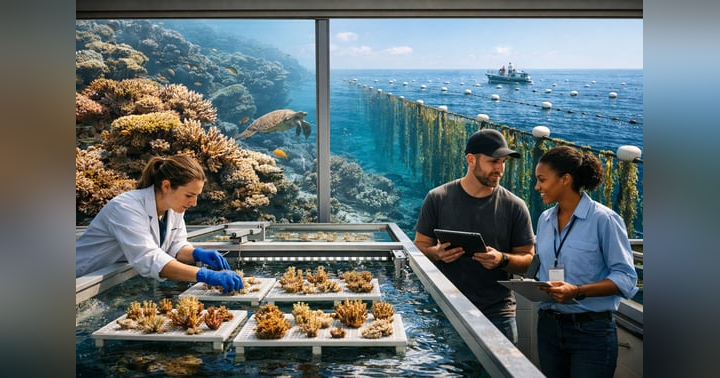
and how to be a part of it. So
16
00:00:27,375 --> 00:00:29,333
hit that follow button right now so you
17
00:00:29,333 --> 00:00:30,041
don't miss tomorrow's
18
00:00:30,041 --> 00:00:31,000
episode. We're covering
19
00:00:31,375 --> 00:00:33,541
ocean businesses, businesses that are out
20
00:00:33,541 --> 00:00:35,250
to scale solutions for
21
00:00:35,250 --> 00:00:36,708
the ocean all week. At the
22
00:00:36,708 --> 00:00:38,583
end of the week on Friday, we have an
23
00:00:38,583 --> 00:00:40,291
interview with EarthX CEO
24
00:00:40,291 --> 00:00:42,000
Peter Semmick talking about the
25
00:00:42,000 --> 00:00:43,666
EarthX conference where you're going to
26
00:00:43,666 --> 00:00:44,916
find a lot of ocean
27
00:00:44,916 --> 00:00:46,541
startups, a lot of ocean businesses
28
00:00:46,541 --> 00:00:47,916
that are already in practice that are
29
00:00:47,916 --> 00:00:49,500
looking to find solutions.
30
00:00:49,750 --> 00:00:51,583
So check it out on Friday and
31
00:00:51,625 --> 00:00:53,541
don't forget to follow so you don't miss
32
00:00:53,541 --> 00:00:56,208
any other episode. For
33
00:00:56,208 --> 00:00:57,208
decades, ocean conservation
34
00:00:57,291 --> 00:00:59,250
has been driven by governments, by NGOs,
35
00:00:59,791 --> 00:01:00,666
by universities, and
36
00:01:00,666 --> 00:01:02,500
those institutions are very
37
00:01:02,500 --> 00:01:04,833
critical to the process. They give a
38
00:01:04,833 --> 00:01:07,500
science, they shape policy, but they are
39
00:01:07,500 --> 00:01:09,291
not built for speed.
40
00:01:09,833 --> 00:01:11,625
They are built for accuracy, and that
41
00:01:11,625 --> 00:01:13,500
creates a gap because
42
00:01:13,500 --> 00:01:16,083
discovering a solution is very
43
00:01:16,333 --> 00:01:18,291
different to scaling one for protection.
44
00:01:19,250 --> 00:01:21,208
That's where startups come in. They take
45
00:01:21,208 --> 00:01:23,625
ideas and ask a different question.
46
00:01:24,416 --> 00:01:26,375
Can this work in the real world and can
47
00:01:26,375 --> 00:01:28,750
it scale? If you're new to the show and
48
00:01:28,750 --> 00:01:29,541
you want to understand
49
00:01:29,750 --> 00:01:32,250
how ocean solutions actually scale, then
50
00:01:32,250 --> 00:01:33,708
make sure that you follow how
51
00:01:33,708 --> 00:01:34,833
to protect the ocean podcast
52
00:01:35,041 --> 00:01:36,375
so you don't miss any of the future
53
00:01:36,375 --> 00:01:38,958
episodes. So hit that follow button right
54
00:01:38,958 --> 00:01:40,250
now. All right, let's take
55
00:01:40,333 --> 00:01:43,125
coral Vita for an example. Traditionally,
56
00:01:43,125 --> 00:01:43,791
coral restoration
57
00:01:43,791 --> 00:01:46,166
happens underwater. It's slow,
58
00:01:46,416 --> 00:01:48,750
it's expensive, and it struggles to keep
59
00:01:48,750 --> 00:01:51,041
up with warming oceans. Coral Vita
60
00:01:51,041 --> 00:01:53,000
changed the model. They grow
61
00:01:53,000 --> 00:01:55,291
corals on land and in controlled
62
00:01:55,291 --> 00:01:58,041
environments. That allows them to grow
63
00:01:58,041 --> 00:01:59,583
corals 50 times faster,
64
00:01:59,958 --> 00:02:01,916
select heat tolerant corals, and scale
65
00:02:01,916 --> 00:02:03,750
production far beyond traditional
66
00:02:03,750 --> 00:02:05,375
methods. Then they transplant
67
00:02:05,583 --> 00:02:08,833
those corals back onto reefs. But here's
68
00:02:08,833 --> 00:02:10,875
where it really matters. They built a
69
00:02:10,875 --> 00:02:12,375
business. They partner
70
00:02:12,375 --> 00:02:13,583
with tourism operators
71
00:02:13,583 --> 00:02:15,458
who depend on the reefs, governments
72
00:02:15,458 --> 00:02:17,458
protecting coastlines, and insurance
73
00:02:17,458 --> 00:02:18,375
companies that recognize
74
00:02:18,541 --> 00:02:21,000
reefs reduce storm damage, which I've
75
00:02:21,000 --> 00:02:22,458
talked about so many times
76
00:02:22,458 --> 00:02:24,500
on this podcast. This turns
77
00:02:24,500 --> 00:02:27,166
coral restoration into something that can
78
00:02:27,166 --> 00:02:30,375
scale globally, not just one project.
79
00:02:30,750 --> 00:02:31,958
It's an actual service.
80
00:02:32,625 --> 00:02:34,500
Let's talk carbon removal in the ocean.
81
00:02:34,958 --> 00:02:36,208
There's a company called Running Tide.
82
00:02:36,500 --> 00:02:37,333
They're working on
83
00:02:37,333 --> 00:02:39,291
ocean-based carbon removal.
84
00:02:39,958 --> 00:02:42,333
The idea? Grow kelp that absorbs carbon.
85
00:02:42,958 --> 00:02:45,041
Then sink it deep in the ocean, locking
86
00:02:45,041 --> 00:02:47,166
that carbon away long term.
87
00:02:47,791 --> 00:02:49,791
This falls under ocean carbon dioxide
88
00:02:49,791 --> 00:02:52,500
removal. And according to the IPCC, we
89
00:02:52,500 --> 00:02:53,666
likely need carbon
90
00:02:53,666 --> 00:02:55,500
removal to meet climate targets.
91
00:02:55,916 --> 00:02:57,625
But this approach is controversial.
92
00:02:58,166 --> 00:03:00,708
Because the ocean is complex, we don't
93
00:03:00,708 --> 00:03:02,458
fully understand the
94
00:03:02,458 --> 00:03:04,458
long term impact. Still,
95
00:03:05,000 --> 00:03:07,500
it's getting funded because it fits into
96
00:03:07,500 --> 00:03:09,208
carbon markets. And when
97
00:03:09,208 --> 00:03:10,916
something fits and when something
98
00:03:10,916 --> 00:03:13,000
connects to markets, it has a chance to
99
00:03:13,000 --> 00:03:15,208
scale. Now, I'm not saying
100
00:03:15,208 --> 00:03:16,250
that this is going to work. I'm
101
00:03:16,250 --> 00:03:17,833
not saying that this is probably good for
102
00:03:17,833 --> 00:03:19,125
the ocean. It may not be,
103
00:03:19,125 --> 00:03:20,333
but at least we're developing
104
00:03:20,333 --> 00:03:22,416
these ideas. If there were pilot studies
105
00:03:22,416 --> 00:03:24,166
that were stuck in academia this entire
106
00:03:24,166 --> 00:03:25,166
time, a lot of these
107
00:03:25,291 --> 00:03:27,083
companies may not be able to get this
108
00:03:27,083 --> 00:03:28,791
going and find out if it actually works
109
00:03:28,791 --> 00:03:30,416
or if it doesn't work. Now, of course,
110
00:03:30,416 --> 00:03:31,541
there's always advantages and
111
00:03:31,541 --> 00:03:33,250
disadvantages to this approach and I
112
00:03:33,250 --> 00:03:34,291
fully understand those,
113
00:03:34,583 --> 00:03:35,958
but this is just one idea
114
00:03:36,250 --> 00:03:37,750
where we can really think about, hey,
115
00:03:37,958 --> 00:03:40,416
does actually this carbon sinking and
116
00:03:40,416 --> 00:03:42,166
carbon removal actually work when we
117
00:03:42,166 --> 00:03:44,000
think about it at this scale and at this
118
00:03:44,000 --> 00:03:46,958
with this ability to use kelp to do that.
119
00:03:47,208 --> 00:03:48,541
Think about the video that I
120
00:03:48,541 --> 00:03:50,375
put up this week on Sargasm
121
00:03:50,875 --> 00:03:52,916
that probably came out today as you're
122
00:03:52,916 --> 00:03:55,000
going to listen to this. Sargasm is an
123
00:03:55,000 --> 00:03:57,875
algae that grows really big.
124
00:03:59,000 --> 00:04:01,125
It just basically suppresses beaches and
125
00:04:01,125 --> 00:04:02,541
it just smothers beaches in
126
00:04:02,541 --> 00:04:04,458
high tourist areas. It stinks.
127
00:04:05,250 --> 00:04:06,583
People don't like it. It can affect
128
00:04:06,583 --> 00:04:08,291
people with breathing problems and it
129
00:04:08,291 --> 00:04:09,791
takes a long time to remove and is hard
130
00:04:09,791 --> 00:04:10,958
to inexpensive to remove.
131
00:04:11,375 --> 00:04:12,958
Imagine being able to sink something like
132
00:04:12,958 --> 00:04:15,375
Sargasm to be able to remove carbon.
133
00:04:15,791 --> 00:04:16,875
That's something that's a key
134
00:04:17,583 --> 00:04:19,833
identifier in carbon removal. Whether it
135
00:04:19,833 --> 00:04:20,625
will work or not, whether
136
00:04:20,625 --> 00:04:21,625
it's good for the ocean or not,
137
00:04:21,875 --> 00:04:23,791
time will tell and these experiments with
138
00:04:23,791 --> 00:04:26,166
businesses as partnerships will be able
139
00:04:26,166 --> 00:04:27,958
to help. Startups bring something
140
00:04:27,958 --> 00:04:29,666
conservation has struggled with.
141
00:04:30,250 --> 00:04:32,583
Speed. They test faster. They adapt
142
00:04:32,583 --> 00:04:35,166
faster and they scale faster. They don't
143
00:04:35,166 --> 00:04:36,583
necessarily wait till
144
00:04:37,208 --> 00:04:38,875
you have peer reviewed publications that
145
00:04:38,875 --> 00:04:40,708
are done two years down the road that are
146
00:04:40,708 --> 00:04:41,875
published two years down the road.
147
00:04:42,166 --> 00:04:43,666
They want to know six months from now
148
00:04:43,666 --> 00:04:45,083
whether this idea will work. If it
149
00:04:45,083 --> 00:04:45,750
doesn't, they're going
150
00:04:45,750 --> 00:04:46,625
to move on. If it works,
151
00:04:46,625 --> 00:04:47,833
they're going to move forward. If it's
152
00:04:47,833 --> 00:04:49,375
good for the ocean, they might move
153
00:04:49,375 --> 00:04:50,500
forward. If it's bad for the ocean,
154
00:04:50,791 --> 00:04:52,000
they may move forward too. That's where
155
00:04:52,000 --> 00:04:52,875
we have to be careful with
156
00:04:52,875 --> 00:04:54,416
some of these startups. However,
157
00:04:54,625 --> 00:04:57,125
the point is they move fast and that
158
00:04:57,125 --> 00:04:59,041
matters because the ocean is changing
159
00:04:59,041 --> 00:05:00,625
fast. We are seeing
160
00:05:00,625 --> 00:05:02,500
marine heat waves, rapid
161
00:05:03,083 --> 00:05:05,375
biodiversity loss, overfishing pressures,
162
00:05:05,833 --> 00:05:06,833
increasing pollution,
163
00:05:07,791 --> 00:05:09,666
solutions that need to move as
164
00:05:10,000 --> 00:05:12,291
solutions need to move as quickly, just
165
00:05:12,291 --> 00:05:13,583
as quickly as these
166
00:05:13,583 --> 00:05:14,708
problems are hitting the ocean.
167
00:05:14,958 --> 00:05:16,666
And when the startups find something that
168
00:05:16,666 --> 00:05:18,125
works, they can expand
169
00:05:18,125 --> 00:05:20,500
globally in years, not decades.
170
00:05:21,375 --> 00:05:23,875
But let's be clear. Not every setup
171
00:05:23,875 --> 00:05:25,750
succeeds. Some fail,
172
00:05:26,333 --> 00:05:28,250
some over promise and some create
173
00:05:28,250 --> 00:05:30,458
unintended consequences. Like just think
174
00:05:30,458 --> 00:05:32,125
about anything that has to do with deep
175
00:05:32,125 --> 00:05:33,291
sea mining right now.
176
00:05:33,291 --> 00:05:35,166
There is a big push to do deep sea
177
00:05:35,166 --> 00:05:36,208
mining, but we have no
178
00:05:36,208 --> 00:05:37,958
idea the effects on the ocean.
179
00:05:38,333 --> 00:05:40,541
This is why science still matters and
180
00:05:40,541 --> 00:05:43,000
regulation still matters. This isn't
181
00:05:43,000 --> 00:05:44,041
about replacing traditional
182
00:05:44,333 --> 00:05:46,333
conservation. It's about complimenting it
183
00:05:46,333 --> 00:05:49,083
with speed, with funding and with a
184
00:05:49,083 --> 00:05:51,250
different mindset. Because right now
185
00:05:51,458 --> 00:05:53,000
we don't just need ideas.
186
00:05:53,458 --> 00:05:56,916
We need ideas that actually spread and we
187
00:05:56,916 --> 00:05:58,125
need to implement those
188
00:05:58,125 --> 00:06:00,250
ideas as quickly as possible.
189
00:06:00,916 --> 00:06:02,000
And that's the episode for today.
190
00:06:02,500 --> 00:06:04,416
If you like this type of information, you
191
00:06:04,416 --> 00:06:05,791
want to know more about businesses that
192
00:06:05,791 --> 00:06:06,583
find solutions and you
193
00:06:06,583 --> 00:06:07,541
have a business that has
194
00:06:07,583 --> 00:06:09,541
an ocean solution or you know of one that
195
00:06:09,541 --> 00:06:10,291
has a notion solution,
196
00:06:10,541 --> 00:06:13,166
let us know in the comments by going to
197
00:06:13,166 --> 00:06:14,875
speak up for blue dot com forward slash
198
00:06:14,875 --> 00:06:17,458
feedback that speak up for blue dot com
199
00:06:17,583 --> 00:06:18,958
forward slash feedback. I want to hear
200
00:06:18,958 --> 00:06:20,416
what you have to say either by voicemail
201
00:06:20,416 --> 00:06:21,750
or you can type it in.
202
00:06:21,750 --> 00:06:24,208
I would love to hear what you have to say
203
00:06:24,208 --> 00:06:25,500
because this is the
204
00:06:25,500 --> 00:06:26,291
start of a conversation
205
00:06:26,708 --> 00:06:28,500
and I would love for you to continue that
206
00:06:28,500 --> 00:06:30,291
with me and with others. And I
207
00:06:30,291 --> 00:06:31,958
know with podcasting on audio
208
00:06:31,958 --> 00:06:33,750
it's really difficult to do a comment. If
209
00:06:33,750 --> 00:06:34,791
you're on Spotify and you want to
210
00:06:34,791 --> 00:06:36,125
comment, please do so.
211
00:06:36,416 --> 00:06:38,458
But if you're not and you want to comment
212
00:06:38,458 --> 00:06:40,333
and you want to have feedback, please go
213
00:06:40,333 --> 00:06:41,291
to speak up for blue dot
214
00:06:41,291 --> 00:06:43,083
com forward slash feedback
215
00:06:43,666 --> 00:06:45,833
because you know what the next big
216
00:06:45,833 --> 00:06:47,166
breakthrough may not be it
217
00:06:47,166 --> 00:06:48,625
may not come from a paper,
218
00:06:49,000 --> 00:06:50,500
but it might just come from a company
219
00:06:50,500 --> 00:06:52,041
trying to solve a problem
220
00:06:52,416 --> 00:06:54,791
at scale and I want to find what those
221
00:06:54,791 --> 00:06:57,541
those businesses are what that company is
222
00:06:57,541 --> 00:06:59,541
and I want to tell it I want to talk to
223
00:06:59,541 --> 00:07:02,166
them on the podcast at some point. So I
224
00:07:02,166 --> 00:07:03,375
want to thank you so much for joining me
225
00:07:03,375 --> 00:07:04,500
on today's episode of the
226
00:07:04,500 --> 00:07:05,125
how to protect the ocean
227
00:07:05,208 --> 00:07:06,666
podcast. I'm your host, Andrew Lew and
228
00:07:06,666 --> 00:07:08,000
have a great day. We'll talk to you next
229
00:07:08,000 --> 00:07:09,458
time and happy conservation.