Can Hollywood Go Green? Inside the Sustainable Production Movement
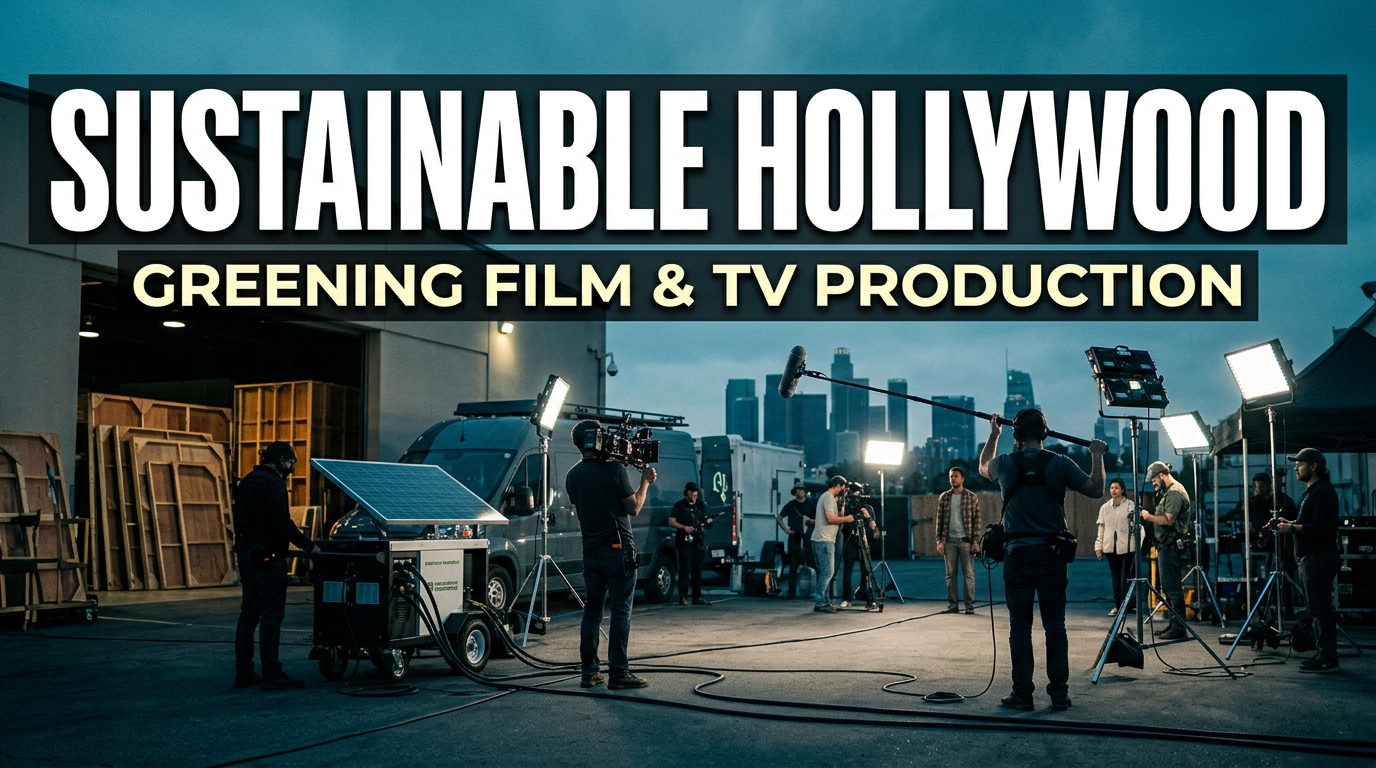
When you picture ocean conservation, a Hollywood film set probably isn't the first thing that comes to mind. But on this episode of How to Protect the Ocean, Andrew talks with Zena Harris, founder and president of Green Spark Group, about how the entertainment industry is working to shrink its environmental footprint, and why that story matters far beyond the film industry itself.
Zena founded Green Spark Group, a certified B Corp sustainability consultancy, in 2014 after a career in corporate HR and a return to graduate school for sustainability and environmental management. She also co-hosts The Tie-In podcast and created the Sustainable Production Forum, an annual conference now run under its own nonprofit umbrella.
What Sustainability Actually Means on a Film Set
Zena frames sustainability through the ESG lens: environmental, social, and governance. That means her work covers everything from carbon footprints and material reuse to how crews are trained and how organizations hold themselves accountable. In practice, most of Green Spark Group's day-to-day work centers on the environmental side: calculating emissions data and turning it into action.
A Lightly Regulated Industry
Compared to sectors like manufacturing or fossil fuels, film and TV production is only loosely regulated. Reporting requirements around greenhouse gas emissions are relatively new, and there's little direct oversight of what happens on set day to day. That means change in the entertainment industry has come less from mandates and more from a mix of factors: advocacy from talent who care about specific causes, cost savings for productions, and pressure from publicly traded studios and their investors.
Where the Emissions Actually Come From
Fuel consumption, largely from the trucks and generators that support a production, is the biggest single contributor to a film or TV shoot's carbon footprint. Base camps, trailers, catering, and equipment transport all add up. Green Spark Group now works to get involved four to eight weeks before cameras roll, which gives them time to influence decisions before they're locked in, rather than trying to retrofit sustainability after the fact.
From Recycling to Electrification to Circularity
Zena traces a clear arc in how the industry has approached sustainability. Roughly two decades ago, the major studios began hiring sustainability directors, a shift she says was influenced by a UCLA study that compared the film and TV industry's carbon footprint unfavorably to other industries in the Los Angeles basin. Early efforts focused almost entirely on waste and recycling. Over time, the conversation shifted toward electrification and clean tech, including solar-powered trailers, battery stations replacing diesel generators, and electric vehicles.
The next frontier, according to Zena, is materials. Productions track how much plywood and other materials come onto a set, but rarely calculate the embodied carbon in those materials, or build out the reuse systems needed to keep them out of landfills.
Why Sustainability Still Gets Cut First
Despite the progress, Zena is candid that sustainability is still widely treated as a luxury add-on rather than something integrated into a production's core budget. When money gets tight, it's often one of the first things to go. She counters that framing directly: there's no entertainment industry, and no audience to entertain, on a planet that can't support life.
To move the needle, Green Spark Group leads with cost savings, since that's what production budgets respond to first, and with reputation, since producers and crews who integrate sustainability well tend to be seen more favorably by studios and peers.
A Case Study: The CBC
One project Zena points to as a turning point is her firm's multi-year engagement with the CBC (Canadian Broadcasting Corporation). The work started at the leadership level and worked its way through the entire organization, including transportation and environmental teams, building out training, guidelines, and accountability structures. She says the CBC exceeded its own sustainability goals and has continued to push the conversation forward across the industry since.
What Conservation Organizations Can Borrow From This
Andrew asked Zena what conservation groups, including ocean-focused ones, could take from how the entertainment industry approaches this work. Her answer: look inward first. Any organization, including environmental nonprofits, can calculate its own operational footprint, procurement, and impacts, and use that data to make better decisions. She notes that even sustainability-focused organizations sometimes skip measuring their own emissions, which is a gap worth closing.
Looking Ahead to 2036
Asked to imagine the industry a decade from now, Zena said she hopes the conversation shifts upstream, away from being purely a production-phase concern and toward being built into development from the start. If that happens, she says, sustainability stops being something bolted on at the end and becomes normalized throughout the entire process.
Takeaways
- Green Spark Group has helped productions like the CBC build sustainability into operations from leadership on down.
- Fuel consumption from vehicles and generators is the single biggest driver of a film production's carbon footprint.
- Sustainability consultants now aim to join productions four to eight weeks before filming starts, rather than days before.
- Cost savings and industry reputation, more than regulation, are what convince studios and producers to change.
- The next frontier for the industry is measuring the embodied carbon in materials like set-building lumber, not just fuel and waste.
- Sustainability is still widely treated as an optional add-on, which means it's often the first thing cut when budgets get tight.
Learn more about Zena Harris's work at greensparkgroup.com, or check out The Tie-In podcast for more behind-the-scenes conversations on sustainable production.

CEO
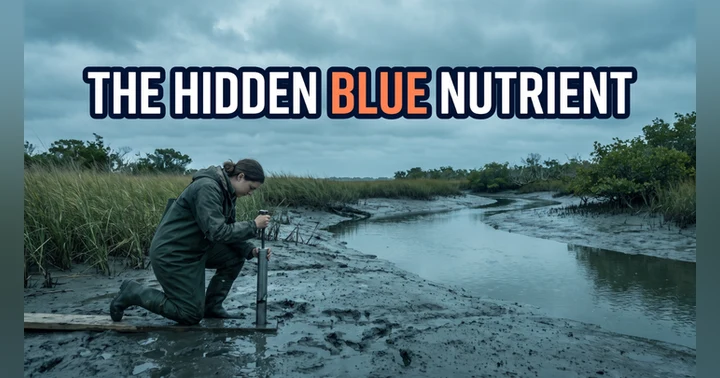
Blue Nitrogen: The Nutrient Story Coastal Wetlands Have Been Hiding


