Come for the Impact, Stay for the People: Inside Surfrider Foundation Canada
A lot of us feel a step removed from ocean action. We watch big organizations do important work, sign the occasional petition, maybe donate, and still don't feel like part of it.
Lilly Woodbury felt that too. Then she walked into a Surfrider meeting in Tofino.
A meeting in Tofino
Lilly finished her degree in environmental studies at the University of Toronto in 2015. Looking back, she's struck that the program didn't include a single course on plastic pollution. She knew litter was bad. Nobody had walked her through what plastic is, why it pollutes, or what happens across its life cycle.
After graduating she volunteered with several groups, trying to get a foot in the door of a sector that's hard to break into. Too often she felt like an extra pair of hands rather than someone they wanted to help grow.
Then she heard about a Surfrider meeting in Tofino, on the west coast of Vancouver Island. She'd never heard of the organization, but she surfed, so she went.
The local Pacific Rim chapter had just restarted after years of being dormant. The reason was hard to miss: the beaches were covered in plastic, and the area's tourism economy ran on single-use items. Lilly introduced herself and said she wanted to make a big difference. That night the chapter chair, Michelle Hall, sent her an email that ran to several paragraphs. Lilly joined as a volunteer in February 2016 and became the chapter's first paid staff member a year later. A decade on, she's the campaigns and storytelling director for Surfrider Foundation Canada.
Her advice to anyone in her old position: don't wait to find your passion. Follow your curiosity.
Six bans in one small town
The chapter started campaigning almost immediately. First plastic straws, then bags, then cutlery and polystyrene foam containers. Tofino and Ucluelet became the first municipalities in British Columbia to ban plastic straws and bags in 2019, and Tofino was the first in the province to ban plastic cutlery in 2022.
This year the town went further. As of Earth Day, April 22, 2026, Tofino became the first municipality in Canada to ban the sale of single-use plastic water bottles one litre and under.
Working with businesses, not against them
In 2016, plastic pollution hadn't yet exploded into public view. That came a couple of years later, after the 2015 video of a plastic straw being pulled from a sea turtle's nose spread around the world. When Lilly first walked into businesses to talk about plastic, people looked at her like she had multiple heads.
So she learned to meet people where they were. No blaming, no shaming. If someone with an environmental studies degree never learned about plastic pollution, why would a business owner know about it? Instead, she figured out what each business valued and spoke to that.
It helped that environmental leadership is a point of pride on the west coast. Once a few businesses signed on, Surfrider made them the leaders, promoted them and made it look good. Other businesses noticed and wanted in. Lilly calls it a kind of positive conformity.
Surfrider also did the legwork. The team talked to local suppliers to find out which alternatives were actually available, so businesses weren't left to figure it out alone. Their order of preference:
- Reusables first. Reusable dishes for dining in, and accepting customers' reusable containers for takeout.
- Single-use items on request only, with straws kept on hand for people who need them, including many people with disabilities.
- Locally compostable fibre when reusables aren't possible. Some businesses can't run reusables; in Tofino, a housing crisis makes it hard to hire enough staff to wash dishes.
Rigid bioplastics didn't make the list. Lilly points out that they're industrially produced, often don't compost well, are poorly regulated and can even contain conventional plastic. Fibre-based containers, essentially paper, break down whether they end up in the local composting facility, a ditch or the ocean.
Why blame and shame backfires
Surfrider treats plastic as a system design problem, not a personal failing. Everyday people didn't decide to wrap every product in plastic. So rather than lecturing people on the street, the organization runs film nights, art workshops and beach cleanups. Spend a morning picking up thousands of bottles and you'll probably think twice about buying the next one.
The research backs this up. Messages that lead with guilt tend to turn people off. Messages built around solutions, the "this isn't your fault, but here's something we can all do" approach, work better.
Come for the impact, stay for the people
Surfrider CEO Chad Nelsen likes to say that people come for the impact and stay for the people. Lilly agrees. In a time of loneliness and screens, a chapter gives people a reason to be outside together, talking about the environment with others who care.
That togetherness does real work, too. When a group shares an activity, the new habits become part of the group's identity, and people carry that identity into everything else they do. You don't need a majority to shift a culture, either. A small, committed minority can move the norms for everyone.
The goal is to make cleanups obsolete
Here's the result that stopped Andrew in his tracks. In 2016, the chapter was hauling hundreds of pounds of plastic off each beach. Today, between the bans, businesses and residents doing their own cleanups, less littering, better public waste management and more education, Surfrider no longer runs local beach cleanups in Tofino. Lilly says if she walked the beach today she'd be hard-pressed to find anything.
That's the point. The chapter now focuses on remote and underwater cleanups, where plastic still piles up. And the same logic runs through everything Surfrider does: use water-quality data to fix pollution at its source, use climate campaigns to shift away from fossil fuels. As Lilly puts it, her whole job is to get herself out of a job.
How Surfrider grew up in Canada
Surfrider started in the US in 1984 and has had chapters in Canada since the mid-2000s, beginning with three on the BC coast: Pacific Rim, Vancouver and South Vancouver Island. For years they operated informally under the US organization, almost entirely run by volunteers.
They still racked up wins. Surfrider Vancouver's 2014 Ban the Bead campaign helped lead to Canada's ban on plastic microbeads. In Victoria, volunteers' water-quality monitoring supported the push for a wastewater treatment plant.
As the chapters grew, the US organization had to handle Canadian law, policy and insurance separately. In March 2022, Surfrider Foundation Canada became its own international affiliate, with a head office that supports chapters and clubs across the country. The goal now is a chapter in every province and territory.
From town hall to treaty
Local bans don't stay local. In BC, a municipality that wants to ban a new item generally needs the province's approval. So Surfrider uses its local wins as case studies: it works here, people are fine, now do it province-wide. Victoria now requires reusable dishes for dine-in customers, as of March 2026, and Surfrider would like to see that go provincial and national. Its current Mug Movement campaign targets plastic and bioplastic coffee cups and lids in Tofino and Ucluelet.
Federally, the path just got clearer. In January 2026, the Federal Court of Appeal unanimously upheld Ottawa's listing of plastic manufactured items as toxic under the Canadian Environmental Protection Act, keeping the national single-use plastics ban in place and confirming the government's authority to do more. Surfrider wants more items banned, action on harmful chemicals, investment in refill and reuse systems, and action on ghost gear.
And most Canadians are on side. Polls consistently find that a large majority support the existing bans. Lilly sees the loud backlash, such as the anti-paper-straw crowd, as a vocal minority that gets amplified out of proportion.
Globally, communities passing local bans helped make the case for a Global Plastics Treaty. Our understanding of plastic has grown from a marine litter issue to a climate, biodiversity, human health and human rights issue across its whole life cycle. Researchers have catalogued more than 16,000 chemicals in plastics, and at least 4,200 of them are of concern. Global plastic production is on track to roughly triple by 2060 without new limits, which is why so many countries back a cap on production. The next formal round of negotiations is set for March 2027, though observers have raised concerns about the closed-door talks leading up to it.
If that feels slow, Lilly offers some perspective. Ten years ago she earned an environmental degree without learning about plastic pollution. Now the whole world is talking about it.
Start a chapter where you live
Surfrider Foundation Canada wants chapters and student clubs across the country, including on the Great Lakes, and the work isn't only marine. Lakes and rivers count. And no, you don't need to surf. Most members don't.
Here's what it takes to get started:
- Gather a small team. Five to nine people to form the volunteer executive committee that chooses your campaigns, programs and events.
- Raise some seed money. A few thousand dollars to fund your first programs. Surfrider Canada is a registered charity, so donors can get tax receipts.
- Build a relationship with the local Indigenous nation from day one. Ask about their priorities for the coast and waters, and seek a letter of support. Often they'll point you straight to the problem that most needs work.
- Pick your problem. Clean water, plastic reduction, ocean or lake protection, beach access, or coasts and climate.
The head office handles the back end, from IT and bookkeeping to compliance, so your chapter can focus on the work.
Your action
Pick one:
- Join or start a Surfrider chapter or club at canada.surfrider.org/get-involved.
- Email your MP through Surfrider Canada's Take Action page and ask for more ambitious federal action on plastics.
- Try the Surfrider approach in your own town. Talk to one local business about reusables, or show up to a cleanup and bring a friend.
You might come for the impact. Odds are you'll stay for the people.
Takeaways
- Surfrider chapters let you do ocean work alongside your community, not just support it from a distance
- Working with businesses and suppliers, and celebrating early adopters, turned Tofino into a leader on single-use plastic
- Reusables first; locally compostable fibre when reusables aren't possible
- Blame and shame turns people off; solutions and shared identity bring them in
- Local bans become the evidence for provincial, national and global policy
- The best cleanup is the one you no longer need to run
- Starting a chapter takes a small team, seed funding and early relationships with Indigenous nations
Sources
- Surfrider Foundation: New Canada affiliate announcement (March 2022)
- Surfrider Foundation Canada: About and past wins
- Surfrider Pacific Rim: Coastal victories
- District of Tofino (April 2026): Canada's first ban on single-use plastic water bottles
- CBC (2019): Tofino and Ucluelet first in BC to ban plastic straws and bags
- City of Victoria: Single-Use Items Reduction Bylaw FAQ
- Blakes (2026): Federal Court of Appeal upholds plastics toxic listing
- Oceana Canada (2024): Poll on support for the single-use plastics ban
- Phys.org (2024): PlastChem report on chemicals in plastics
- Trash Hero (2026): Plastics treaty timeline and closed-door talks
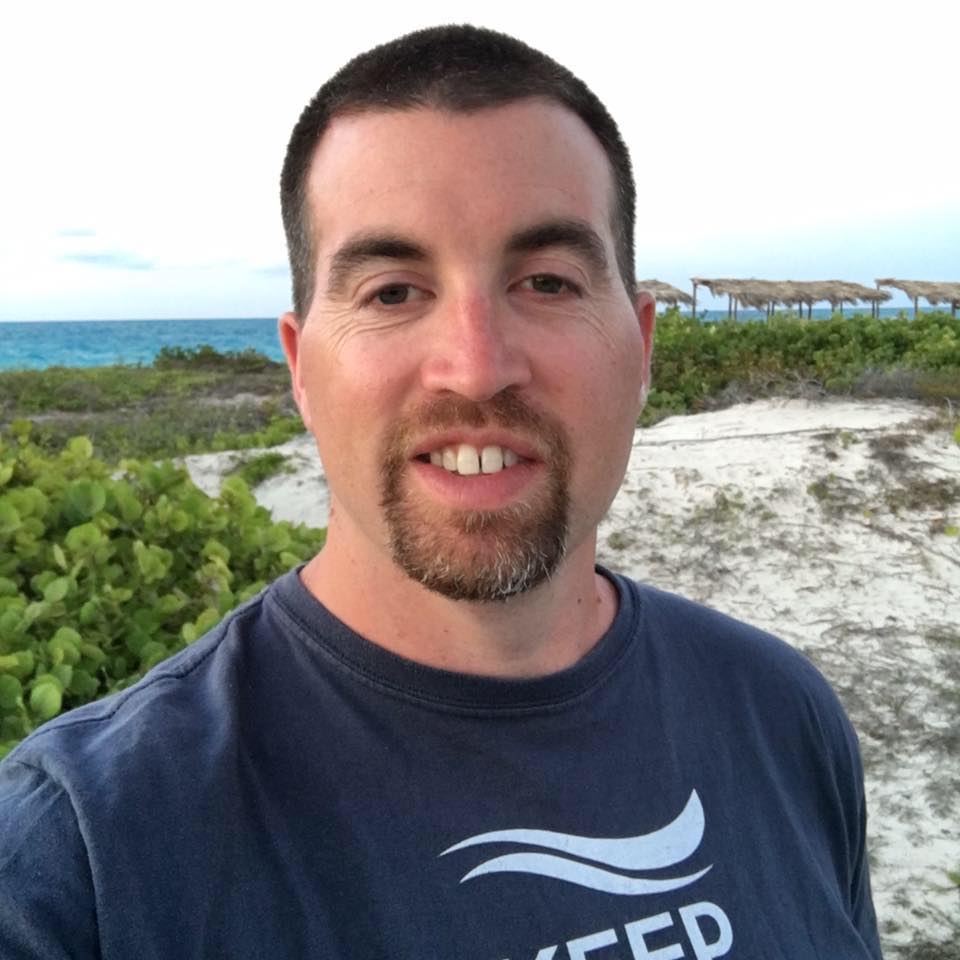
CEO


