US Oil and Gas Drilling: Why This New Offshore Plan Could Shape the Ocean for Generations
Oil spills do not end when the headlines fade. They linger in the water, in wildlife, and in the lives of the people who are forced to clean them up. Right now, the United States is facing a new offshore oil and gas drilling plan that could put coastlines, marine life, and coastal communities at risk for decades to come.
This matters because once offshore areas are leased for drilling, those decisions are incredibly hard to reverse. What looks like a policy debate today can become an environmental legacy that future generations are left to deal with.
Introduction
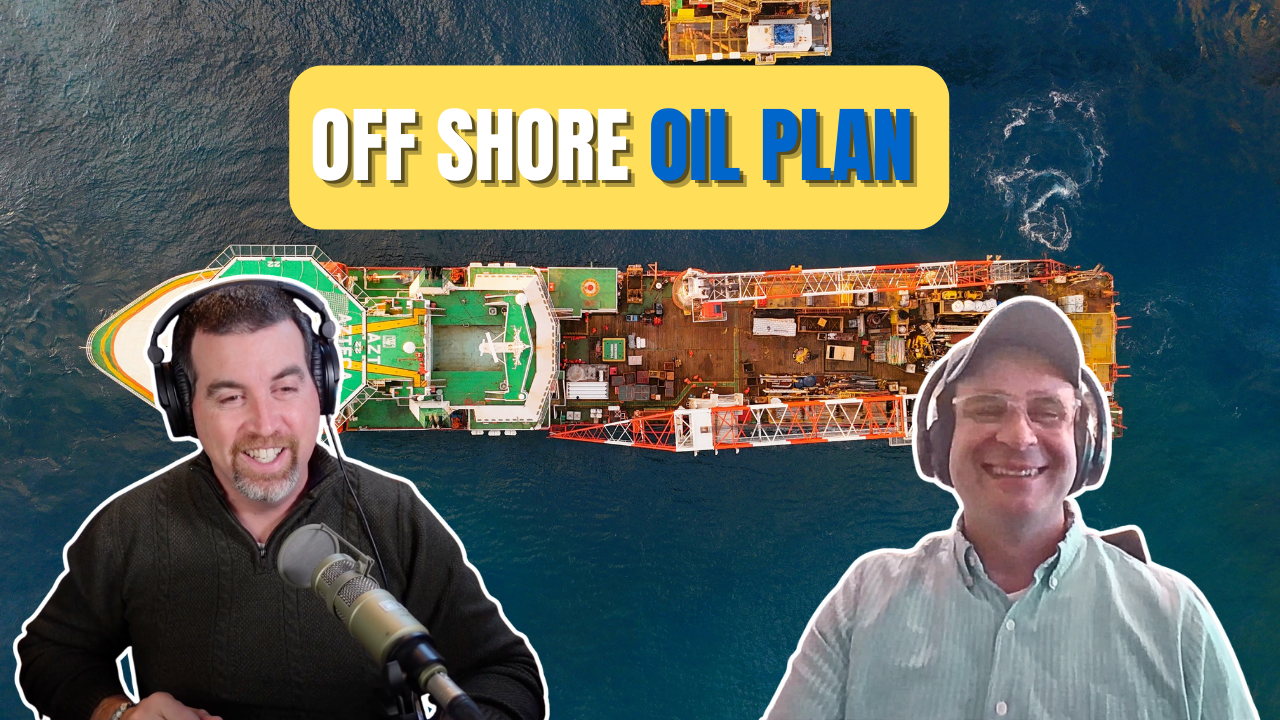
In this episode of How to Protect the Ocean, marine biologist and host Andrew Lewin speaks with Joseph Gordon, campaign director at Oceana, about the newly released US offshore oil and gas drilling plan. Together, they break down what the plan includes, how it compares to past administrations, and why public involvement right now could influence what happens next.
This conversation goes beyond politics. It focuses on real-world consequences, from oil spills and climate change to the health of marine mammals, fisheries, and coastal economies.
What You Will Learn
What the new US offshore oil and gas drilling plan actually proposes
Why offshore drilling decisions affect generations, not just energy prices
How oil spills cause long-term harm to people and wildlife
Which US regions are most at risk under the current plan
Why public comments and community pressure still matter
How similar plans were stopped in the past
The New Offshore Drilling Plan Explained
The current plan proposes dozens of lease sales across US federal waters, including areas off Alaska, California, Florida, and the Gulf of Mexico. While drilling may not happen immediately, leasing these areas sets the stage for exploration, infrastructure, and eventual extraction.
Joseph Gordon explains that this is not about short-term fuel supply. Leasing decisions can lock regions into fossil fuel development for decades, even as the world moves toward renewable energy.
Oil Spills Are Long-Term Disasters
One of the most powerful moments in the episode comes when Joseph describes oil spills as invisible clouds that marine life and people are forced to breathe.
He explains that during Deepwater Horizon, dolphins had to surface through oil-contaminated water to breathe, leading to long-term health impacts. Cleanup workers and first responders have also experienced chronic health issues years after the spill. These effects are rarely visible once the media coverage ends, but communities continue to live with them.
As Joseph puts it, oil spills are not temporary events. They are decades-long crises.
Who Is Most Affected
Offshore drilling threatens far more than open water. Coastal communities that depend on tourism, fishing, and clean beaches face serious economic risks. A spill off Florida or California during peak tourist season could devastate local economies.
Sensitive ecosystems are also at risk. Arctic waters near Alaska contain slow-growing species and fragile habitats that may never recover from a major spill. Seismic testing used during exploration can disrupt marine mammals long before drilling even begins.
Public Pressure Has Worked Before
This is not the first time offshore drilling plans have been proposed. During Trump’s first presidency, a plan to open nearly all US coastlines was ultimately scaled back after widespread bipartisan opposition.
Joseph points out that Florida’s entire congressional delegation, Republicans and Democrats alike, has opposed offshore drilling in the past. That pressure mattered then, and it can matter again.
Why This Matters For The Ocean
Offshore oil and gas drilling sits at the intersection of climate change, biodiversity loss, and ocean health. Expanding drilling increases the risk of oil spills while adding more carbon to the atmosphere, accelerating sea level rise, ocean warming, and acidification.
Protecting the ocean is not just about avoiding disasters. It is about choosing a future where marine ecosystems can recover, coastal communities can thrive, and clean energy replaces destructive extraction.
What You Can Do
Submit a public comment during the open comment period
Share your personal connection to the ocean in your comment
Talk to local representatives, tourism boards, or business leaders
Support organizations like Oceana that advocate for ocean protection
Share this episode with someone who cares about the coast
Listen and Take Action
This episode is a reminder that even in difficult political moments, people still have power. Speaking up has worked before, and it can work again.
🎧 Listen to the full episode and subscribe to the podcast.

CEO
Why You Should Think Twice Before Eating Squid