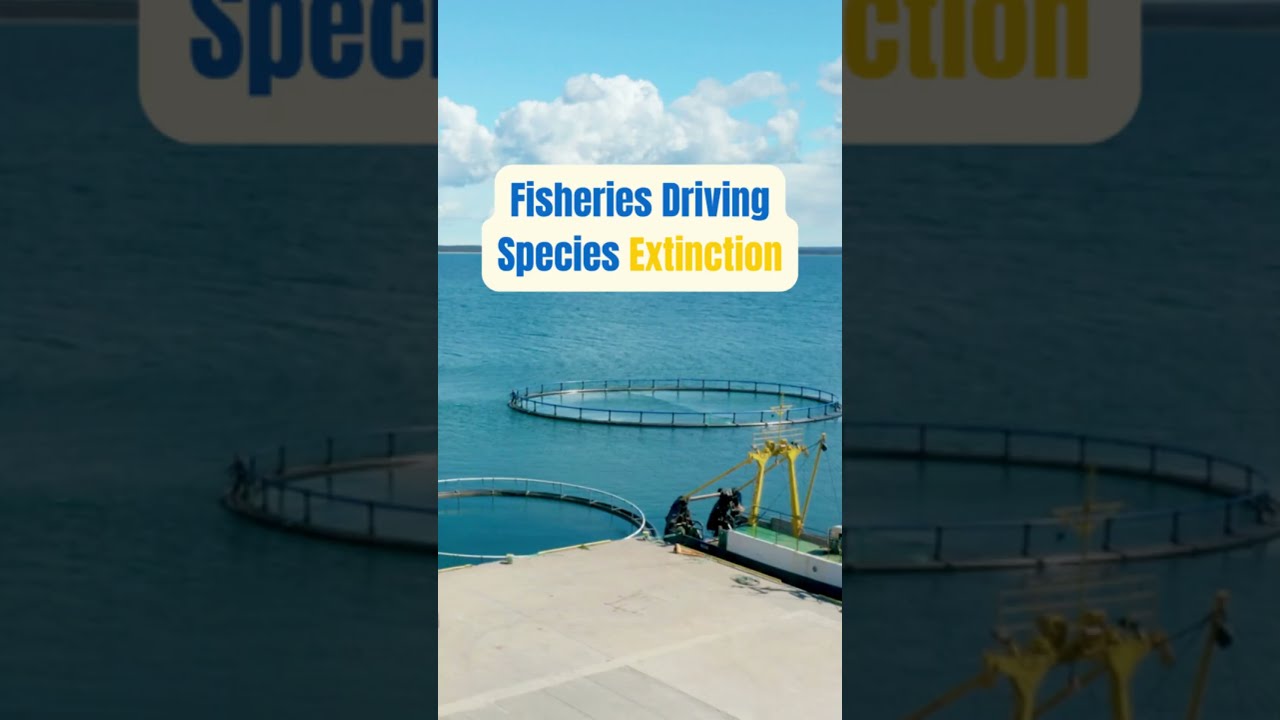
Fish feed in aquaculture is at the center of a complicated global story that most people never hear about. In this episode, Andrew sits down with marine biologist and policy expert Marine Cusa to explore the hidden world of fishmeal, fish oil, feed ingredients, and the surprising connections between aquaculture,โฆ
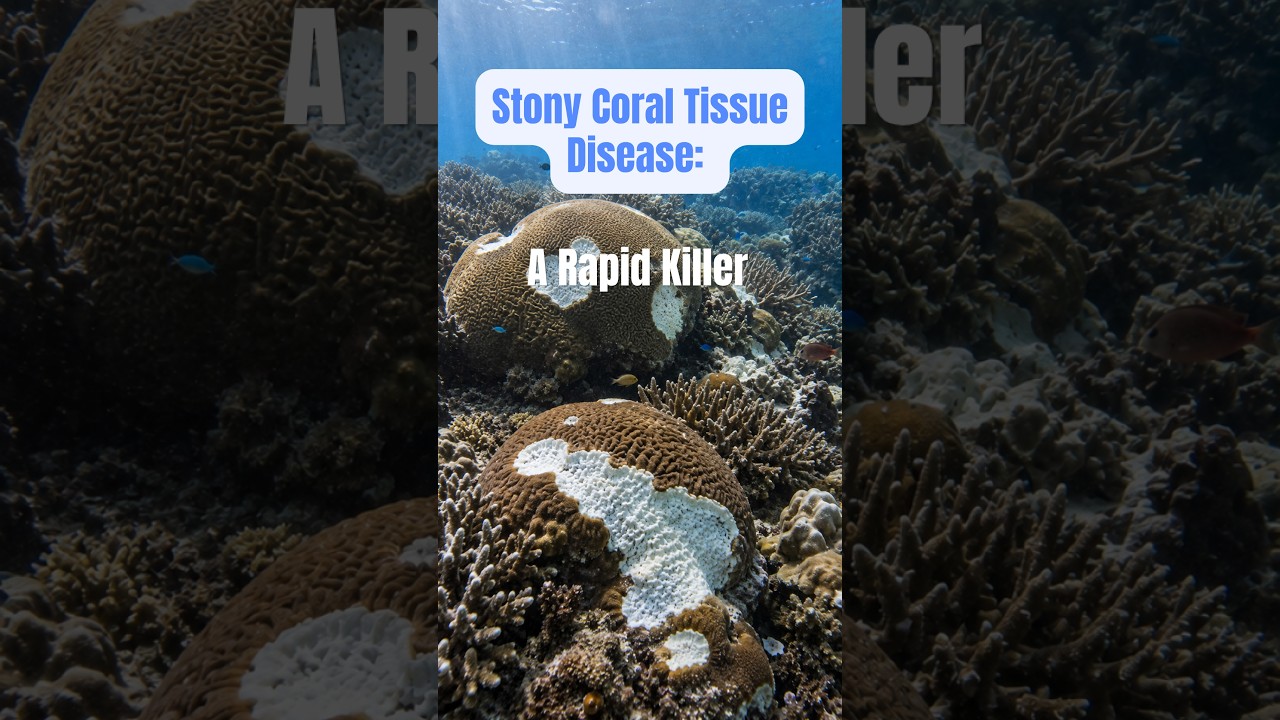
Seagrass decline in Moreton Bay is a warning ๐ฟ #Seagrass #OceanConservation
Orcas vs Great White Sharks is more than a dramatic headlineโitโs a sign of how ocean ecosystems are shifting before our eyes. New drone footage shows orcas in the Gulf of California attacking and killing juvenile great white sharks in what scientists believe are nursery zones. The footage, captured inโฆ
Seagrass meadows are among the most vital yet overlooked ecosystems on our planet. In this episode of How to Protect the Ocean, Andrew Lewin explores a new 19-year study from Moreton Bay, Australia, which shows that seagrass coverage and diversity are declining over time despite short-term recovery periods. This long-termโฆ
Animals affected by climate change are showing us how fragile our ecosystems have become. In this episode of How to Protect the Ocean, host Andrew Lewin speaks with Dr. Helen Killeen, a marine ecologist whose research connects seabird reproduction to shifting ocean temperatures, prey diversity, and climate pressures across theโฆ
Marine Conservation Projects are driving real wins: green sea turtles downgraded to least concern in many regions, North Atlantic right whales showing a small but meaningful uptick, and a new vaquita calf sighting offering hope. In this episode, I explain the common thread behind these stories, targeted local projects, scienceโฆ
Bill Gates & Climate Change has become a trending topic after the billionaire philanthropist argued that the world is too focused on cutting carbon emissions and not focused enough on improving human welfare. In this episode, I unpack what Gates said, why it caused such a reaction, and how hisโฆ