How to Network at Marine Science Conferences Like a Pro
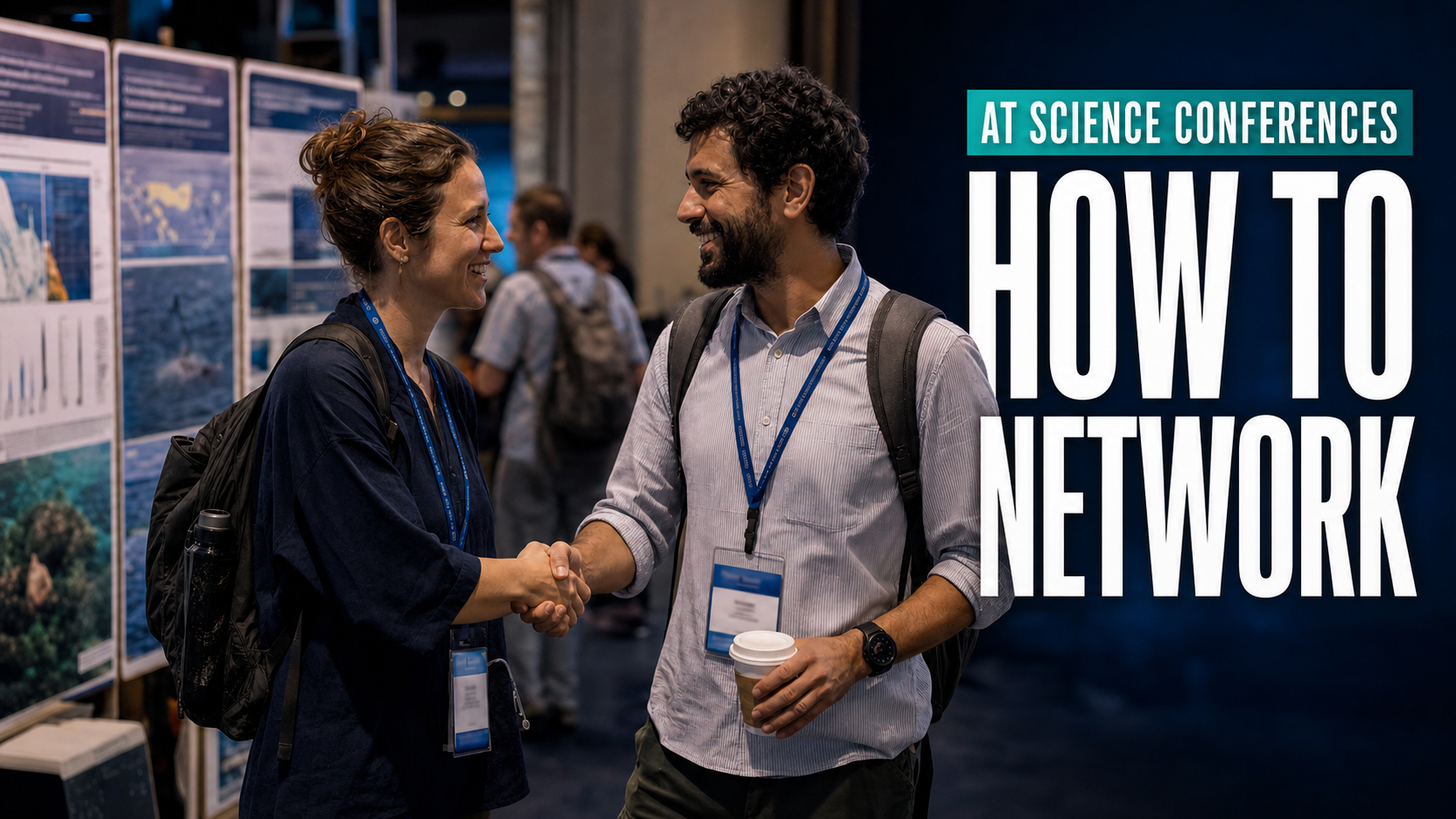
Conferences are one of the biggest opportunities in a marine science or conservation career, but they can also be one of the most intimidating parts of the job. In this episode of How to Protect the Ocean, Andrew breaks down how he approaches conferences after years of attending events across the shark science, marine biology, and ocean conservation world, and shares practical strategies for making the most of them, whether you're an introvert, a student, or a seasoned professional.
Choosing the Right Conference
Andrew's first piece of advice is to research which conference actually fits your career path. Fisheries professionals should look at fisheries conferences. Shark researchers have options like Sharks International or the American Elasmobranch Society conference. There are dedicated events for coral reefs, sea turtles, seagrass, and marine mammals, along with larger umbrella conferences like the International Marine Conservation Congress and the UN-run Our Oceans conference. Cost and location matter too. Some events rotate between continents specifically to make attendance more accessible to researchers who don't live in North America or Europe.
Why In-Person Beats Virtual
While virtual conferences are more inclusive for people who can't travel, Andrew argues that in-person events build stronger professional relationships. Meeting someone face to face, whether over a buffet line or a coffee break, tends to create connections that are harder to form online. He points out that even casual moments, like chatting near the snack table, often lead to the most meaningful introductions.
Imposter Syndrome Doesn't Go Away
Andrew shares that even well-known researchers like Dr. David Ebert, his co-host on Beyond Jaws and a leading figure in shark taxonomy, still have people hesitant to approach them out of imposter syndrome. His point: everyone in the field deals with this, and most established scientists genuinely want people to come say hello.
Crafting Your Elevator Pitch
The core of the episode is Andrew's advice on building a 20 to 30 second elevator pitch, a short introduction covering who you are and what you do, and practicing it until it feels natural. He shares a personal story of coaching his daughter Taya through her first job fair pitch when she was in grade eleven, and how she went on to be remembered by a hiring contact a full year later because of how confidently she introduced herself.
Getting Noticed Beyond the Pitch
Andrew also recommends volunteering for a conference planning committee as a way to build connections before the event even starts. He credits this approach with introducing him to colleagues across California, Europe, and beyond.
Why Andrew Recommends IMCC
Andrew singles out the International Marine Conservation Congress as one of the most welcoming and inclusive conferences he has attended, citing the community built by attendees, organizers, and volunteers.
Takeaways
- Research conferences that match your specific career focus before committing time and money
- Practice a 20 to 30 second elevator pitch until it comes out naturally
- In-person conferences build stronger professional relationships than virtual ones
- Volunteering for a conference planning committee increases visibility and connections
- Imposter syndrome affects everyone, including established researchers
- The International Marine Conservation Congress stands out for its inclusive, welcoming atmosphere

CEO


