What Happens If Weather Warnings Start Failing?
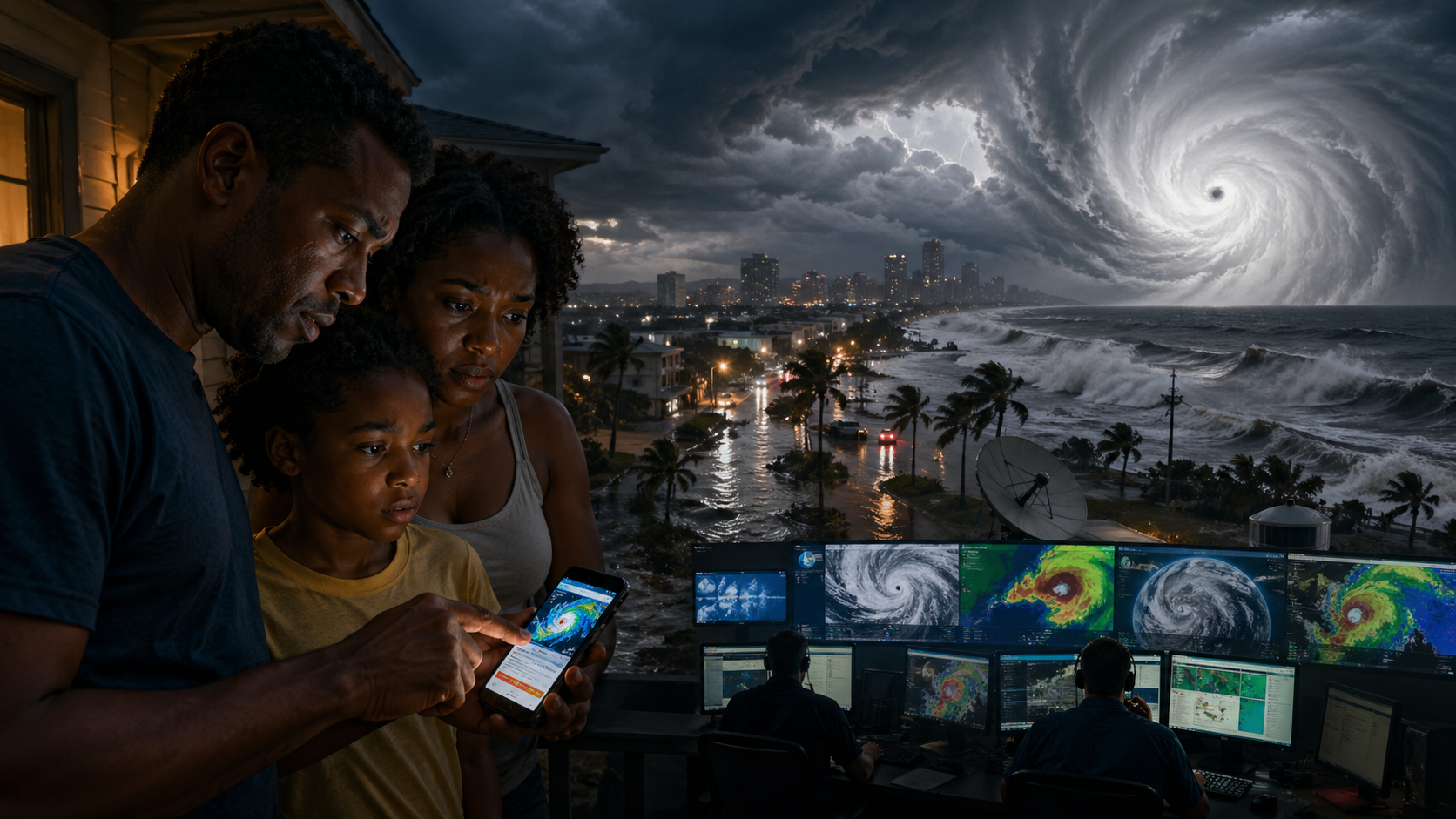
Most people never think about the systems that warn them before a hurricane makes landfall, a tornado touches down, or floodwaters rise.
They just expect the alert to arrive on time.
But behind those warnings are satellites, ocean buoys, forecasting models, research teams, aircraft missions, and public agencies working every day to keep people safe. One of the most important organizations behind that work is NOAA, the National Oceanic and Atmospheric Administration.
And many people do not realize how much they depend on it.
The Hidden Role of NOAA
When people hear NOAA, they often think about marine biology, ocean exploration, or fisheries science.
That is part of the picture, but NOAA also powers forecasting systems used by meteorologists, emergency managers, ports, airports, fishers, and coastal communities.
Its data helps experts predict:
- Hurricane tracks
- Flood risk
- Tornado conditions
- Tsunami threats
- Coastal storm surge
- Dangerous marine weather
This is not abstract science. It is daily life protection.
Why Better Forecasts Matter
Forecast accuracy has improved dramatically over the last few decades.
That means communities often get more time to:
- Evacuate safely
- Secure homes
- Move boats
- Protect infrastructure
- Prepare emergency services
Better warnings can save lives and reduce unnecessary evacuations.
If a forecast is too broad, millions may leave for no reason.
If it is wrong, people may stay in danger.
Why This Matters Now
As disasters become more costly and severe in many regions, dependable warning systems matter even more.
If budgets, staffing, or infrastructure are weakened, the impacts may not be obvious right away.
But over time, slower updates, weaker monitoring, or reduced forecasting capacity can increase risk when people need help most.
Ocean Science Protects People
This episode is a reminder that ocean science is not just about whales, coral reefs, or deep-sea discovery.
It is also about public safety.
Sometimes the most important systems are the ones people barely notice, until they stop working.
Listen Now
If you care about how science affects your life and what really protects communities before disaster strikes, this episode is for you.

CEO


