Why Environmental Progress Keeps Getting Reversed, And What Still Works
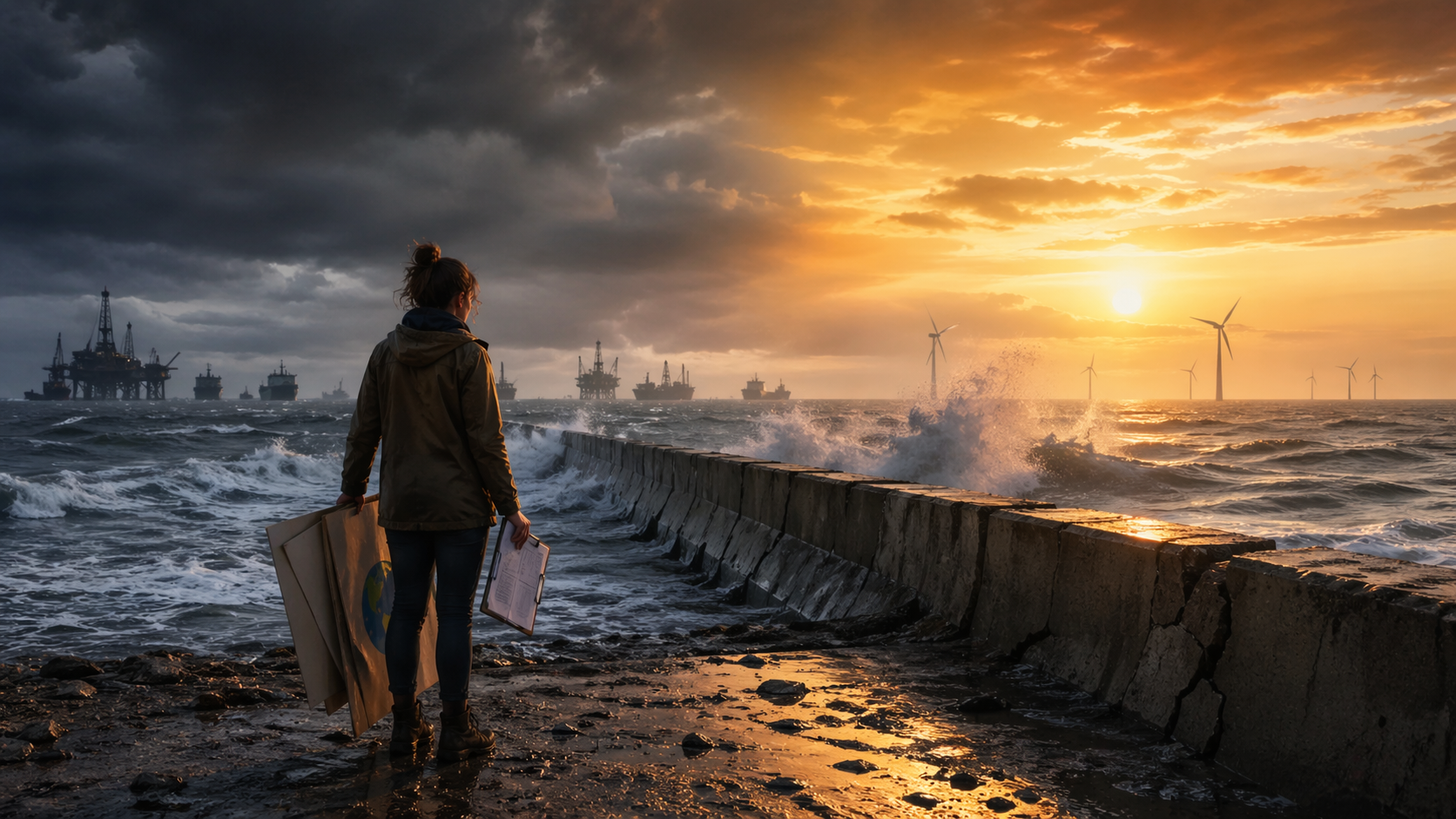
If you care about the ocean, it can feel exhausting.
One year there are new protections, stronger laws, and more public support. The next year those gains are challenged, delayed, or reversed. It can make people wonder whether any of the effort was worth it.
The truth is that progress rarely moves in a straight line.
Why Progress Feels Temporary
Many people expect change to happen like a staircase. One step up, then another, then another.
But environmental progress usually works more like tides. It advances, pulls back, then returns again.
When new protections threaten powerful interests, those interests often push back. Industries defend profits. Politicians shift priorities. Public attention moves elsewhere.
That does not mean the original progress failed. It means it mattered enough to be challenged.
Why Setbacks Still Matter
Even when a campaign loses in the short term, important things are still built:
- Public awareness
- Better science communication
- Stronger networks
- New leaders
- Community momentum
- Evidence for future decisions
Today’s setback can become tomorrow’s breakthrough.
The Deep Sea Mining Example
Deep-sea mining shows this clearly.
A few years ago, most people had never heard of it. Now it is a global issue. Scientists, Indigenous leaders, Pacific communities, and advocates have forced the world to pay attention.
Even where approvals move forward, the movement has already changed the conversation.
That matters.
What Still Works
When progress gets reversed, three things still work:
1. Keep Pressure On
Change often responds to persistence more than outrage.
2. Adapt Strategy
If one path fails, try another. Policy, media, organizing, voting, local action.
3. Think Long Term
The people who create lasting change do not quit when headlines turn negative.
Final Thought
The ocean does not need perfect momentum.
It needs people who stay engaged when momentum disappears.
That is how lasting progress is built.

CEO


