What You Think About Cold Water Oceans Is Probably Wrong
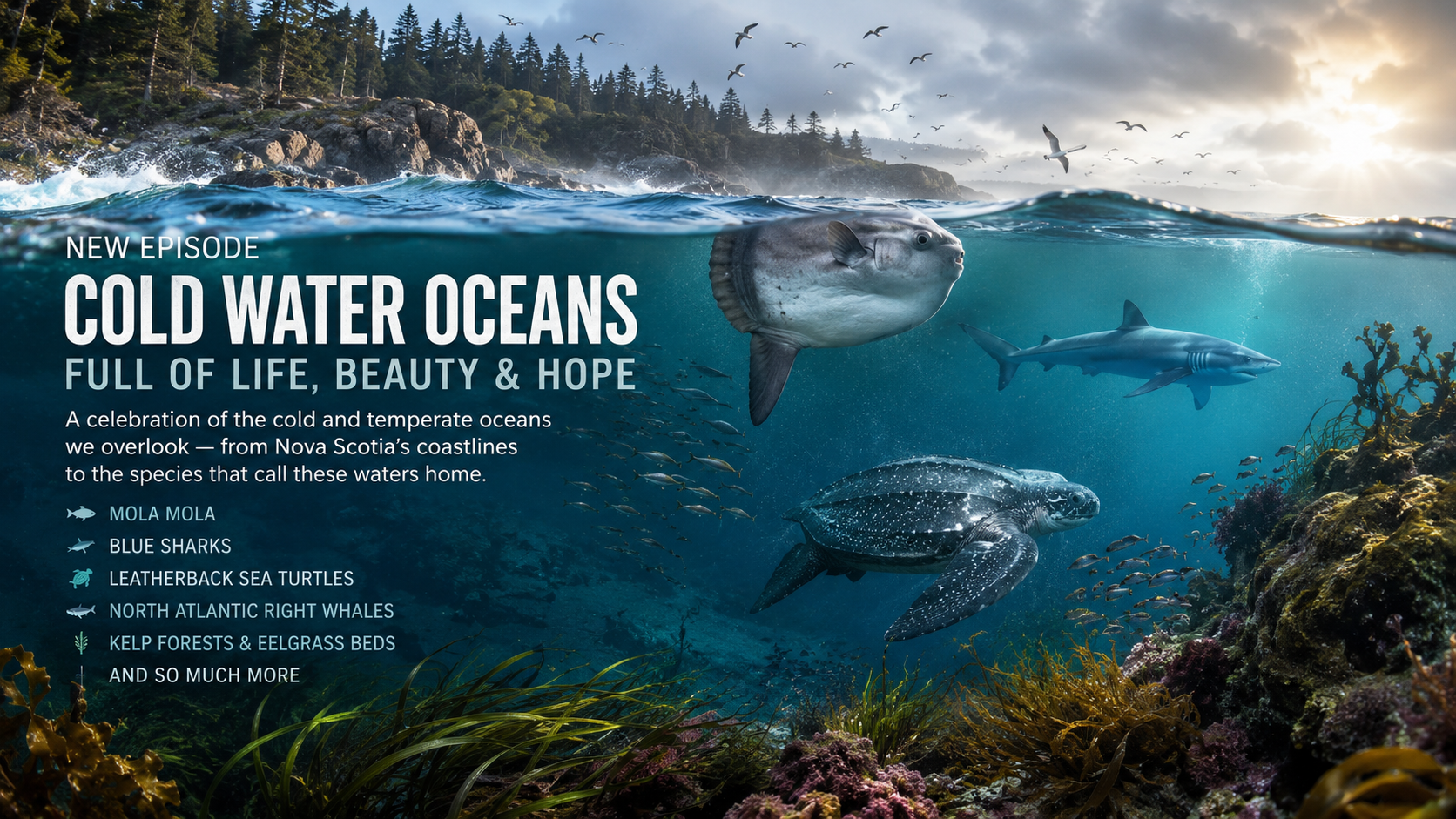
When most people imagine the ocean, they picture tropical waters. They think of coral reefs, colorful fish, and warm beaches featured in travel brochures and documentaries. Those ecosystems are certainly beautiful, but they represent only part of the ocean’s story. Some of the most productive, fascinating, and ecologically important marine environments exist in cold and temperate waters.
In this episode of How to Protect the Ocean, I speak with Kirsti Burnett about why cold water oceans deserve more attention. From Nova Scotia’s coastlines to the species that call these waters home, this conversation celebrates an often-overlooked side of the marine world. It is a reminder that ocean wonder exists far beyond the tropics.
Cold Water Oceans Are Full of Incredible Wildlife
Many people assume colder oceans contain less life than tropical waters. In reality, cold and temperate ecosystems support an astonishing diversity of species. Blue sharks, mola mola, leatherback sea turtles, North Atlantic right whales, seabirds, and countless fish species all depend on these waters.
These species are adapted to dynamic environments shaped by changing seasons, strong currents, and nutrient-rich waters. The result is a marine ecosystem that is highly productive and constantly changing throughout the year. For wildlife enthusiasts, cold water oceans offer some of the most spectacular encounters on the planet.
The Habitats That Make It All Possible
Beneath the surface, cold water ecosystems are supported by habitats that rarely receive the attention they deserve. Eelgrass meadows provide nursery habitat for young fish and invertebrates, while kelp forests create underwater structures that support entire communities of marine life. These habitats also help stabilize shorelines and improve water quality.
Like coral reefs, these ecosystems face threats from climate change, coastal development, and pollution. Yet many people have never heard of them. Protecting these habitats starts with helping people understand their value and their role in supporting healthy oceans.
Why We Often Overlook Cold Water Ecosystems
Part of the reason cold water oceans receive less attention is simple: tropical ecosystems are easier to market. Warm water, colorful reefs, and vacation destinations naturally attract public interest. Cold water environments can appear darker, rougher, and less inviting to people who have never experienced them.
But appearance does not determine ecological importance. Some of the world’s most productive fisheries, important migration routes, and critical habitats are found in temperate and cold marine regions. These ecosystems support biodiversity, local economies, and coastal cultures in ways that are often underestimated.
Conservation Needs More Than Crisis Stories
Ocean conservation messaging often focuses on threats, and for good reason. Climate change, habitat loss, overfishing, and pollution are serious challenges that require urgent action. However, conservation cannot rely entirely on fear and crisis.
People are more likely to protect places they care about. Celebrating the beauty, diversity, and wonder of cold water oceans helps build that connection. Before people will fight to save an ecosystem, they usually need a reason to love it first.
Finding Wonder Close to Home
One of the strongest themes from this conversation is the importance of local connection. Not everyone has access to a tropical reef, but many people live near rivers, lakes, estuaries, or temperate coastlines. Those local waters can become powerful gateways to understanding the ocean.
When people learn about the species and habitats in their own backyard, conservation becomes personal. The ocean stops being a distant place and becomes part of their community. That connection often inspires curiosity, stewardship, and action.
The Ocean Story We Need to Tell More Often
Cold water oceans are not empty, lifeless, or less important than tropical ecosystems. They are rich with biodiversity, supported by remarkable habitats, and home to some of the ocean’s most fascinating species. They provide food, support communities, and contribute to the health of our planet.
This episode is ultimately a celebration of the ocean we often overlook. By paying attention to cold and temperate waters, we gain a fuller understanding of what makes our ocean so extraordinary. And the more we appreciate these ecosystems, the more likely we are to protect them.

CEO


