Why Your Seafood Depends on NOAA More Than You Think
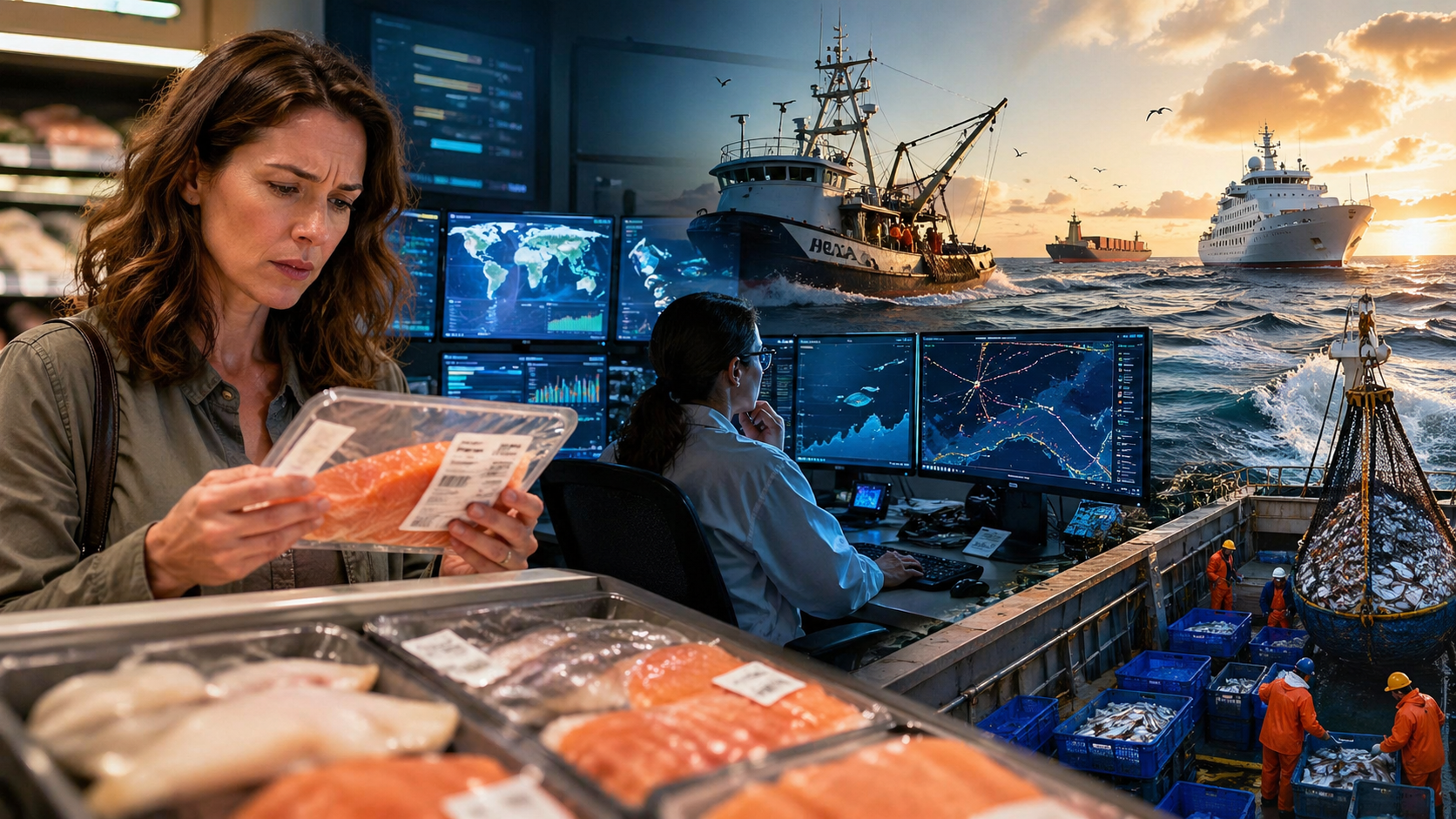
Most people do not think about ocean science when they buy seafood.
They look at price, freshness, maybe a label, and whether it looks good for dinner. But behind that purchase is a system of science, monitoring, and oversight that helps make seafood safer, more transparent, and more sustainable.
One of the key players in that system is NOAA.
What NOAA Actually Does
The National Oceanic and Atmospheric Administration is known for weather forecasts and hurricane tracking, but it also plays a major role in ocean and fisheries science.
That includes:
- tracking fish populations
- supporting sustainable harvest decisions
- monitoring ocean conditions
- helping detect illegal fishing
- improving seafood traceability
- supporting coastal communities and fisheries
That work affects what ends up in stores and restaurants.
Why It Matters to You
If fisheries are poorly monitored, fish stocks can decline.
If traceability systems are weak, seafood fraud becomes easier.
If enforcement drops, responsible fishers can be undercut by bad actors.
That means NOAA’s work is not just about research. It helps build trust in seafood markets and supports healthier oceans.
The Bigger Picture
This episode is really about hidden systems.
Many people do not realize how much daily life depends on public science institutions. Seafood is one of the clearest examples. You may never see the data, patrols, stock assessments, or monitoring tools, but they help shape the choices available to you.
Final Thought
The next time you buy seafood, remember there is a lot more behind that product than a label.
There is science, policy, and a fight to keep oceans productive for the future.

CEO


