How 4ocean Turned Bracelets Into 50 Million Pounds of Ocean Trash Removed
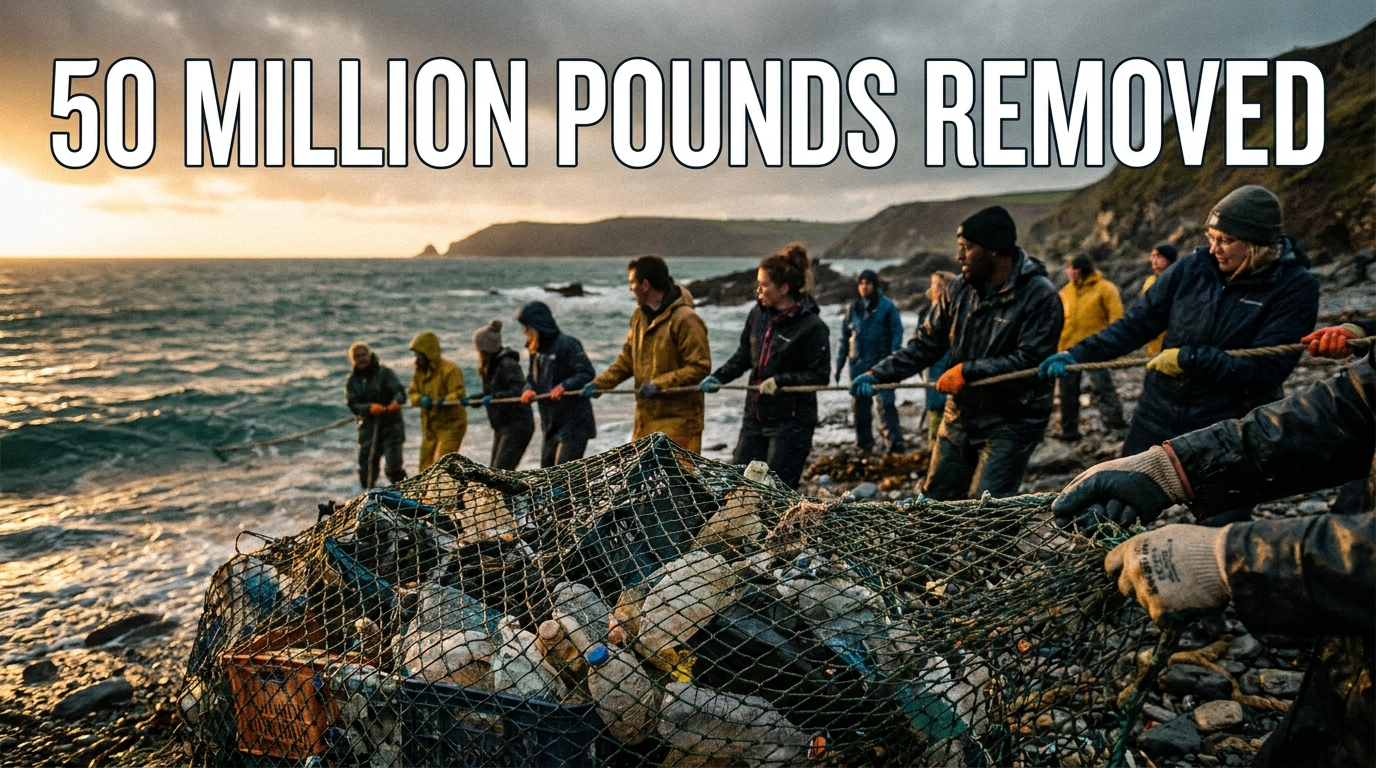
Imagine you're surfing in Bali, one of the best surf spots in the world. You paddle out expecting clear water and instead you're pushing through floating plastic. That was the moment that led two friends, Alex Schulze and Andrew Cooper, to found 4ocean in 2017. Today the company has removed more than 50 million pounds of plastic and trash from oceans, rivers, and coastlines around the world.
From One Video to a Global Cleanup Operation
4ocean started small. A single viral video, a line of bracelets made from recycled ocean plastic, and a simple promise: every bracelet sold funds the removal of one pound of trash. That promise turned out to be the key to the whole business. It gave people something concrete to hold onto instead of a vague pledge to "help the ocean someday."
It took the company about 18 months to reach its first million pounds removed. Growth since then has been steep, with the company reportedly moving well over a million pounds a year and operating cleanup locations across multiple countries. Those specific figures are still being confirmed against primary sources, but the scale of the operation is not in question. 4ocean now employs local crews, runs recycling infrastructure, and has built out a global cleanup network far beyond that first office in Florida.
Why a Business Instead of a Nonprofit
A lot of ocean cleanup work runs on grants and donations, and that funding model struggles to support daily, year round operations. Schulze and Cooper built 4ocean as a for-profit business specifically to solve that problem. Product sales create a predictable, recurring revenue stream that doesn't depend on the next grant cycle.
That structure comes with accountability built in. 4ocean is a certified B Corp, which means it meets a set of standards for social and environmental performance. In practice, that shows up in how the company operates in the places where it works. Rather than flying in outside labor, 4ocean hires local crews in Bali, Haiti, and other regions, pays them livable wages, and builds recycling infrastructure that stays in the community after the cameras leave.
The Questions Worth Asking
No cleanup model is perfect, and it's worth sitting with the tension in this one. The apparel and bracelets that fund 4ocean's operations are made from recycled ocean plastic, but that plastic eventually reaches the end of its life too and could end up back in the waste stream. Even companies like Patagonia, which built their reputation on recycled materials, acknowledge that selling apparel still generates waste. Reusing that material and turning it into something people want to buy is still a net positive over letting it sit in the ocean, but it's not a closed loop.
There's also a bigger structural question. 4ocean is an extraction model. It removes plastic that's already in the water. Extraction alone doesn't stop the flow of new plastic into rivers and coastlines. That requires prevention: policy that limits single-use plastic, waste management infrastructure in the places generating the most pollution, and corporate partnerships that go beyond individual product purchases. 4ocean has started building toward this with an Impact Dashboard launching in 2026, designed to give corporate partners traceable, verifiable insight into their funded impact rather than just a headline number.
What to Look for in Any Cleanup Organization
If you're deciding where to put your money, whether that's 4ocean or a smaller local group, look for independently audited impact numbers. Self reported totals are easy to inflate because there's real money riding on the story. A credible organization will let a third party verify what it says it's doing.
It's also worth understanding the difference between prevention and extraction. Both matter. Extraction cleans up what's already there. Prevention keeps more from arriving in the first place. The most effective support usually combines individual purchases, corporate sponsorships, and policy pressure, since corporate partnerships and policy work tend to move more volume than individual purchases alone.
Takeaways
- 4ocean was founded in 2017 by Alex Schulze and Andrew Cooper after encountering plastic pollution while surfing in Bali
- The company has removed more than 50 million pounds of plastic and trash from oceans, rivers, and coastlines as of February 2026
- Its for-profit, product-driven model was built specifically to solve the funding problem that limits many nonprofit cleanup efforts
- 4ocean is a certified B Corp that hires and pays local workers in the regions where it operates
- The 2026 Impact Dashboard aims to give corporate partners traceable, verifiable insight into their funded impact
- Extraction models remove existing trash, but prevention policy is still needed to stop new plastic from entering waterways
- Look for independently audited impact numbers before supporting any ocean cleanup organization

CEO
Boat Wake Erosion Explained: The Coastal Threat With Nothing to Do With Climate Change