Why Protecting Marine Wildlife Depends on Systems Most People Never See
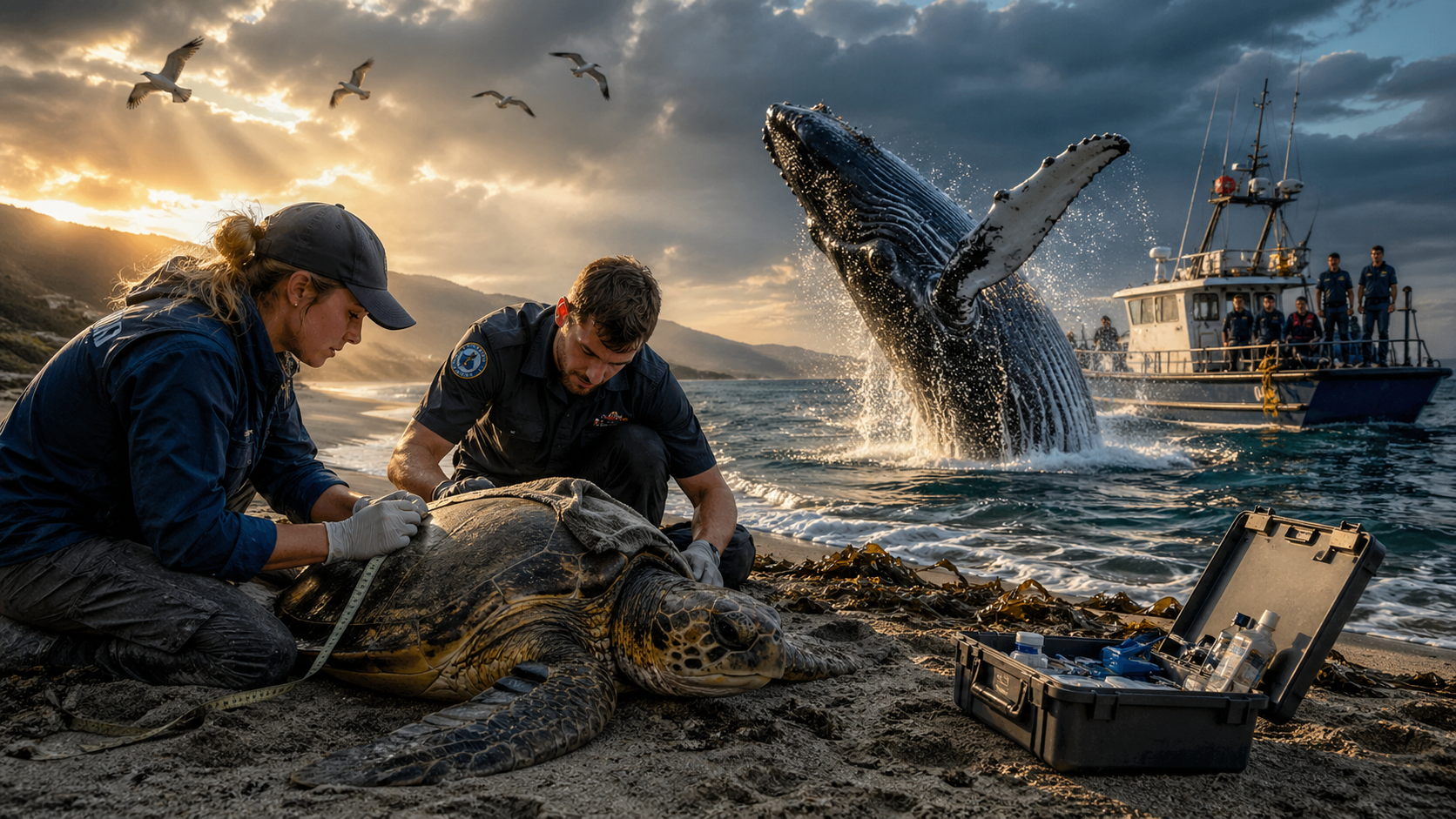
When people think about protecting marine wildlife, they often picture sea turtles, whales, dolphins, or coral reefs. They picture passionate activists, beach cleanups, and dramatic rescue stories.
But much of the real work happens behind the scenes.
Marine wildlife protection depends on scientists collecting data, rescue teams responding to strandings, enforcement officers stopping illegal harm, and policymakers creating rules that actually matter. Much of that work in the United States flows through NOAA and its partner programs.
Why This Matters
Without strong monitoring systems, endangered species can decline before anyone notices.
Without rescue networks, injured whales, dolphins, and turtles may never get help.
Without habitat protections, breeding grounds and feeding areas can disappear.
Without enforcement, laws become words on paper.
That means wildlife protection is not just about caring. It is about capacity.
The Invisible Side of Conservation
Many people do not realize how much ocean conservation relies on institutions. Data systems, weather tools, fisheries oversight, habitat restoration, and species recovery plans are not flashy. They rarely go viral.
But they are often the difference between recovery and collapse.
What Happens If Support Weakens
When funding drops or staffing is cut, the effects may not be immediate. That is what makes it dangerous.
Research slows. Response times grow. Monitoring gaps widen. Illegal activity becomes harder to catch. Species already under pressure face even more risk.
The Bigger Lesson
If we want marine wildlife to thrive, we need more than inspiration. We need functioning systems that last longer than election cycles and headlines.
Saving wildlife is emotional. Protecting wildlife is operational.
Listen to the Episode
Tune in to today’s episode of How to Protect the Ocean to learn why invisible systems may be the most important conservation tool of all.

CEO


