Why Sea Cucumbers Matter More Than You Think
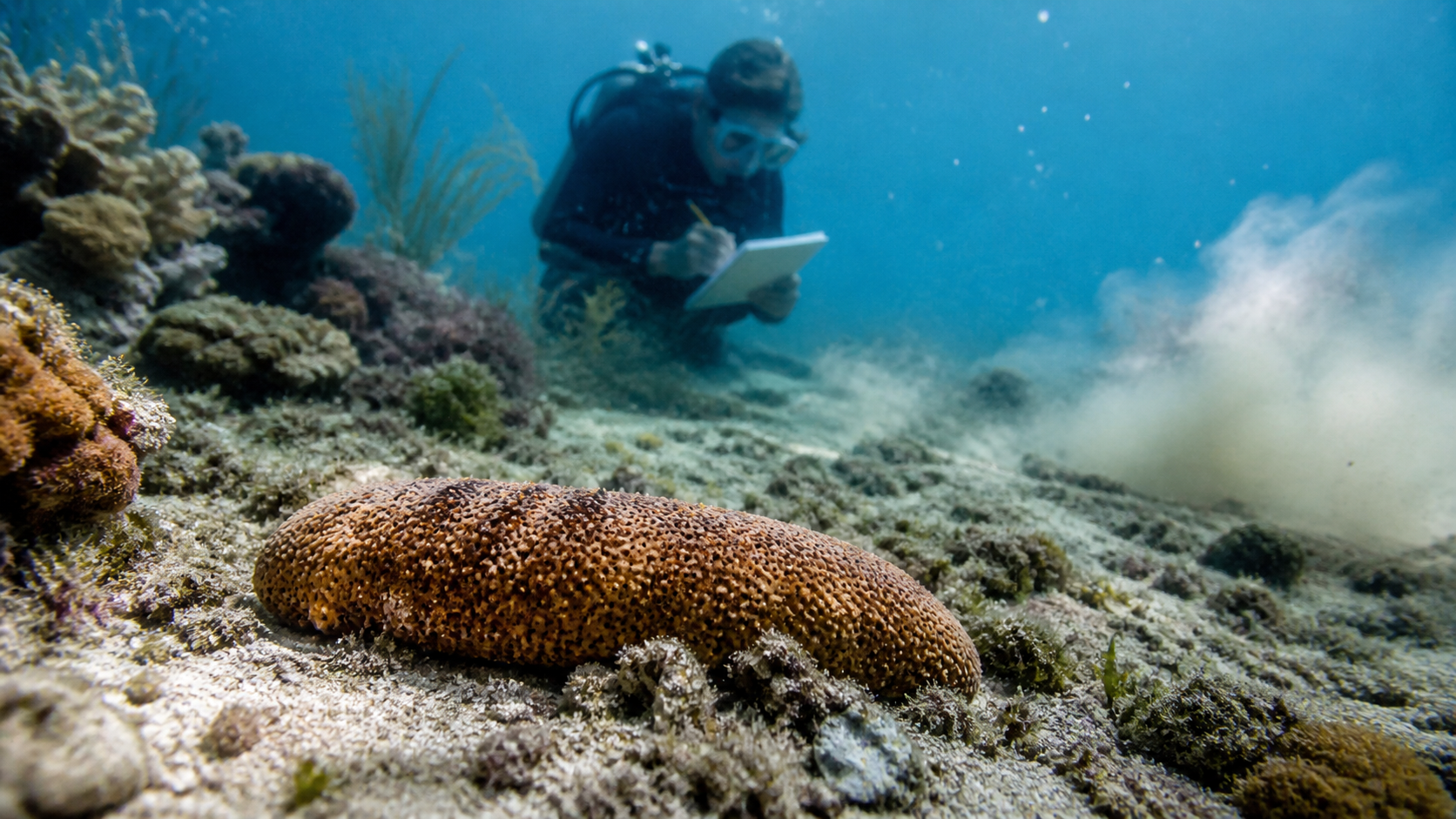
Sea cucumbers are not exactly the most popular ocean animal. They are soft, slow, and often overlooked. But what if one of the most important species in the ocean is also one of the least appreciated?
That is exactly the case.
The Hidden Role of Sea Cucumbers
Sea cucumbers act like the ocean’s cleanup crew. They feed on organic matter in the sediment, breaking it down and recycling nutrients back into the ecosystem.
This process helps keep the seafloor healthy and supports other marine life. Without it, sediments can become degraded, oxygen levels can drop, and ecosystems can shift in ways that are hard to reverse.
What Happens When They Disappear
In many parts of the world, sea cucumbers are heavily fished. They are considered a delicacy in some markets, which has led to intense harvesting pressure.
The problem is that when sea cucumbers are removed, their ecological role disappears with them.
Sediments become less healthy. Nutrient cycling slows down. Other species that depend on those conditions begin to struggle.
It is a chain reaction that most people never see.
Why This Matters to You
You might never see a sea cucumber in your daily life. But the health of the ocean affects food systems, climate regulation, and biodiversity.
When key species disappear, the stability of the ocean weakens.
And that eventually affects everyone.
The Bigger Picture
Sea cucumbers are a reminder of something important. Ocean health does not just depend on large, charismatic animals like whales or sharks.
It also depends on the small, overlooked species that quietly keep ecosystems running.
Ignoring them comes with consequences.

CEO

Nature's Kidneys: How Coastal Wetlands Filter Nitrogen Pollution for Free