
The Hidden Story Behind the World’s Most Famous Shark Photos
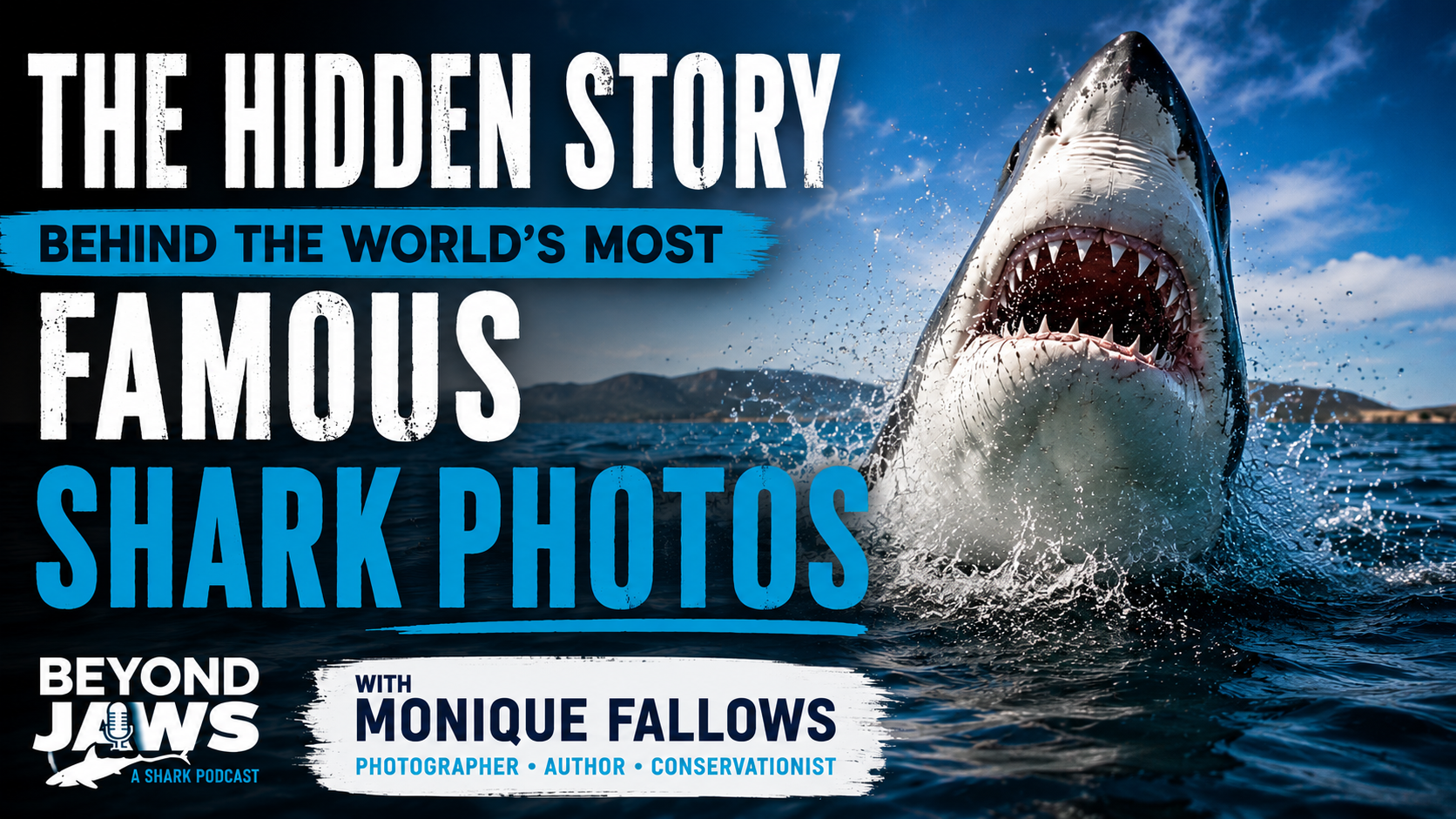
When people think of iconic shark photography, they often picture breaching great white sharks, dramatic ocean encounters, and unforgettable moments captured on camera. What many people don’t see is the years of dedication, patience, and passion that make those images possible. In this episode of Beyond Jaws, we sit down with Monique Fallows to explore the person behind many of those remarkable stories and discover how photography has become a powerful force for shark conservation.
Monique’s journey is about much more than taking beautiful photographs. It is about building a connection between people and wildlife by helping audiences see sharks through a different lens. That perspective has shaped books, documentaries, and countless conservation conversations around the world.
More Than a Photographer
Although many people recognize the Fallows name because of Chris Fallows’ work filming breaching great white sharks, Monique has built an impressive career of her own. She has spent decades documenting marine wildlife, writing books, and helping tell stories that inspire curiosity rather than fear. Her work demonstrates that compelling conservation begins with compelling storytelling.
Throughout the conversation, Monique shares how photography became both a creative outlet and an opportunity to educate people about sharks. Rather than focusing only on dramatic encounters, she explains the importance of capturing authentic moments that reveal the beauty and complexity of these animals.
The Power of Storytelling
Photography has a unique ability to change minds. A single image can communicate emotion, curiosity, and respect in ways that statistics often cannot. Monique discusses how carefully crafted images can help audiences move beyond fear and begin appreciating sharks for the vital role they play in healthy ocean ecosystems.
This approach has become increasingly important as sharks continue to face threats from overfishing, habitat degradation, and misinformation. By giving people an emotional connection to these animals, conservation becomes more personal and more meaningful.
Building a Life Around Sharks
Working with wildlife is rarely glamorous. It requires patience, flexibility, and an acceptance that nature follows its own schedule. Monique reflects on the experiences that shaped her career and the lessons she has learned while spending thousands of hours on the water observing sharks in their natural environment.
She also discusses what it is like working alongside Chris Fallows while developing her own voice as a photographer, author, and conservation storyteller. Together they have documented some of the ocean’s most extraordinary wildlife moments, but Monique’s perspective offers a fresh and deeply personal look behind those achievements.
Inspiring the Next Generation
One of the strongest themes throughout the conversation is the importance of encouraging curiosity. Monique believes that meaningful conservation starts when people become fascinated by wildlife instead of fearing it. Whether through books, photography, or conversations like this one, every opportunity to connect people with nature helps build support for protecting sharks.
Her story is also a reminder that there are many different ways to contribute to ocean conservation. Scientists, photographers, filmmakers, writers, educators, and communicators all play an important role in helping people understand and value marine life.
Final Thoughts
The photographs that inspire millions rarely happen by accident. Behind every unforgettable image is a story of preparation, persistence, and a genuine passion for the ocean. Monique Fallows has dedicated her career to sharing those stories, helping audiences see sharks not as monsters, but as remarkable animals worthy of respect and protection.
If you love sharks, wildlife photography, or conservation storytelling, this episode offers an inspiring look behind the lens. It is a conversation that reminds us how powerful a single photograph can be when it changes the way we see the natural world.

Exploring the Wild Journey of Joe Romeiro: A Shark Week Adventure


