Antarctic Glaciers Are Melting Faster Than You Think
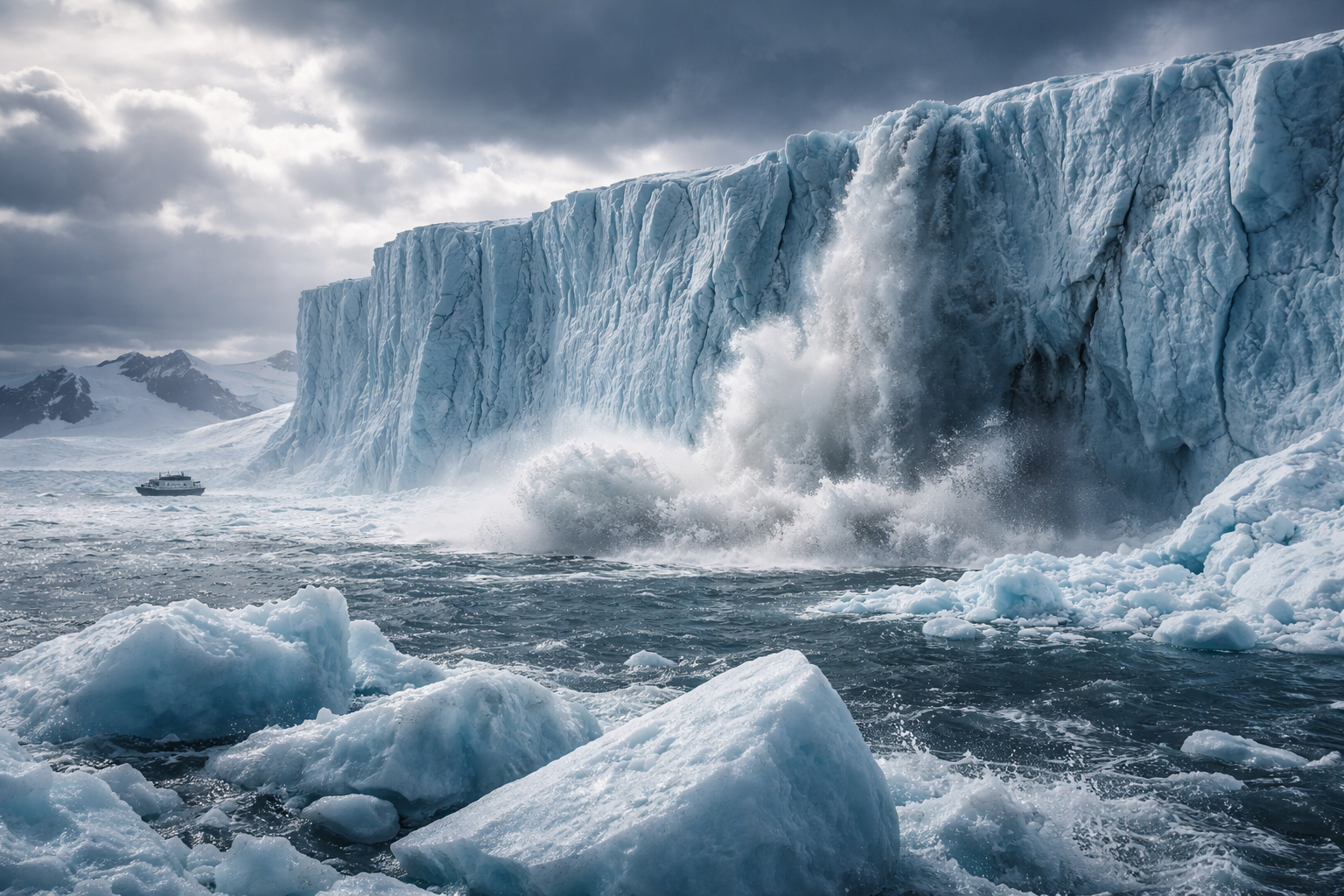
What Happens When Glaciers Melt?
When most people think about glaciers melting, they picture a slow drip over decades.
That is not always how it works.
In Antarctica, some glaciers are showing signs of instability. That means they could shift from slow melting to rapid collapse.
And when that happens, the consequences can be massive.
Why Antarctica Matters So Much
Antarctica holds enough ice to raise global sea levels by tens of meters.
Not all of that ice is at risk right now, but certain glaciers are.
One of the most talked about is Thwaites Glacier. Scientists often call it the “doomsday glacier” because of how much ice it holds and how unstable it may be.
If it collapses, it could trigger changes across the entire ice sheet.
The Hidden Trigger: Ocean Heat
Here is what most people miss.
It is not just air temperature that matters.
Warm ocean water is flowing underneath glaciers, weakening them from below.
That process can:
-
Thin ice shelves
-
Reduce support for inland glaciers
-
Increase the speed of ice flowing into the ocean
Once that support system fails, collapse becomes much more likely.
Why This Affects You
This is not just a polar story.
Melting glaciers affect:
-
Coastal flooding
-
Infrastructure planning
-
Insurance costs
-
Entire communities near the ocean
Even small increases in sea level can amplify storm surges and flooding events.
The Big Question
Scientists are not asking if glaciers will melt.
They are asking how fast.
And that timeline matters more than anything.
Because the faster it happens, the less time we have to adapt.

CEO


