The Hidden Ocean World Most People Will Never See
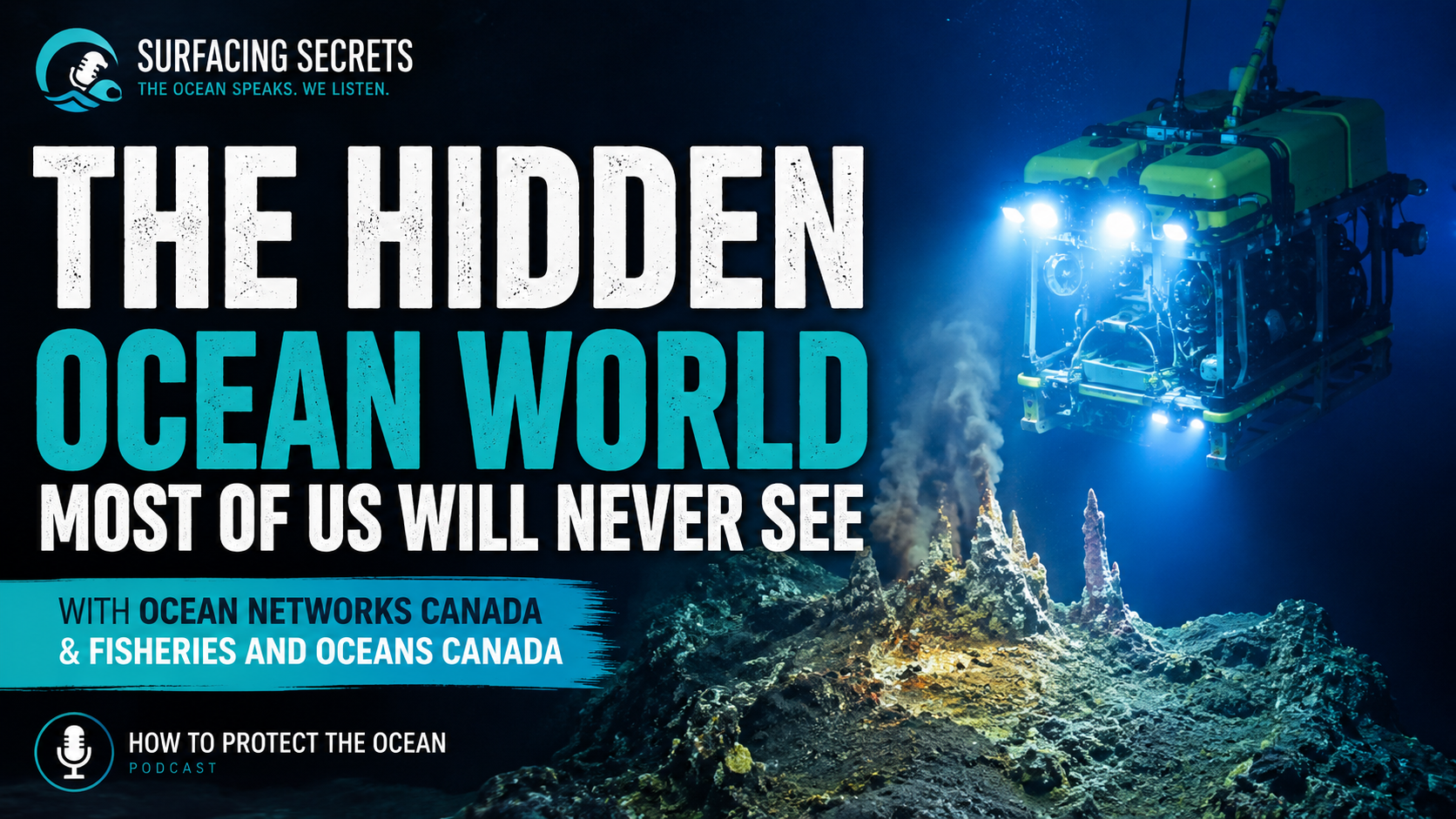
The deep ocean covers more than half of our planet, yet it remains one of the least explored places on Earth. While many of us picture coral reefs, whales, and dolphins when we think about the ocean, an entirely different world exists thousands of meters below the surface. It is dark, cold, and under immense pressure, but it is also filled with remarkable life and discoveries that continue to surprise scientists. In this episode of How to Protect the Ocean, we explore why learning about this hidden world is more important than ever.
Why the Deep Sea Matters
It can be easy to think that the deep ocean is too remote to affect our daily lives, but that couldn’t be further from the truth. Deep sea ecosystems play an important role in regulating Earth’s climate, storing carbon, cycling nutrients, and supporting biodiversity across the planet. The more scientists learn about these environments, the more they realize how connected they are to the health of the entire ocean. Protecting these ecosystems is not simply about preserving strange creatures, it is about protecting the systems that help keep our planet functioning.
Exploring a World Few People Ever See
Studying the deep sea presents enormous challenges. Researchers rely on remotely operated vehicles, underwater observatories, advanced sensors, and sophisticated cameras to explore environments that humans cannot easily reach. Every expedition has the potential to discover species never seen before or reveal behaviors scientists never expected. These discoveries help answer important questions about how life survives under extreme conditions and how ocean ecosystems are changing over time.
Bringing the Deep Ocean Into the Classroom
One of the most exciting parts of this episode is learning how ocean science is becoming more accessible to students, educators, and the public. Through the work of Ocean Networks Canada and Fisheries and Oceans Canada, people can experience deep sea exploration without ever stepping onto a research vessel. Educational programs, live data, videos, and virtual experiences allow classrooms to connect directly with cutting edge marine science. Inspiring curiosity at a young age helps build the next generation of ocean scientists, engineers, and conservation leaders.
Why Education Drives Conservation
People are much more likely to protect something once they understand its importance. Ocean education gives communities the knowledge needed to appreciate the incredible diversity that exists beneath the waves and the challenges these ecosystems face. Whether the topic is climate change, biodiversity loss, or emerging industries in the deep ocean, informed citizens are better equipped to participate in meaningful conversations about ocean policy and conservation. Education turns curiosity into stewardship.
Looking Ahead
The deep sea remains one of Earth’s last great frontiers. Every new expedition uncovers discoveries that remind us how much we still have to learn about our own planet. Continued investment in research, technology, and education will help ensure that these remarkable ecosystems are understood before they are altered by human activities. The hidden ocean world may be out of sight, but it should never be out of mind.
Listen to the Episode
In this episode of How to Protect the Ocean, Andrew Lewin is joined by experts from Ocean Networks Canada and Fisheries and Oceans Canada to discuss why deep sea exploration matters, how scientists study one of the most inaccessible places on Earth, and why sharing these discoveries with the public is essential for protecting our ocean’s future. If you’ve ever wondered what lies beneath the surface, this conversation is the perfect place to begin.

CEO
What Happens to Fish When Our Pills Reach the Water?