Will the High Seas Treaty Actually Change Anything?
The High Seas Treaty is one of the most important ocean agreements in modern history. For the first time, the world has a framework to better protect biodiversity beyond national borders.
That matters because the high seas cover nearly half of the planet. These waters sit outside any one country’s control, but they are home to important marine life, migration routes, deep-sea ecosystems, fisheries, and resources that many countries depend on.
But the big question is not whether the treaty is historic.
The big question is whether it will actually work.
The Hard Part Starts After the Headlines
Reaching an agreement was difficult, but passing a treaty is not the same as protecting the ocean. Environmental history is full of big announcements that did not fully deliver once the cameras disappeared.
That is the concern with the High Seas Treaty.
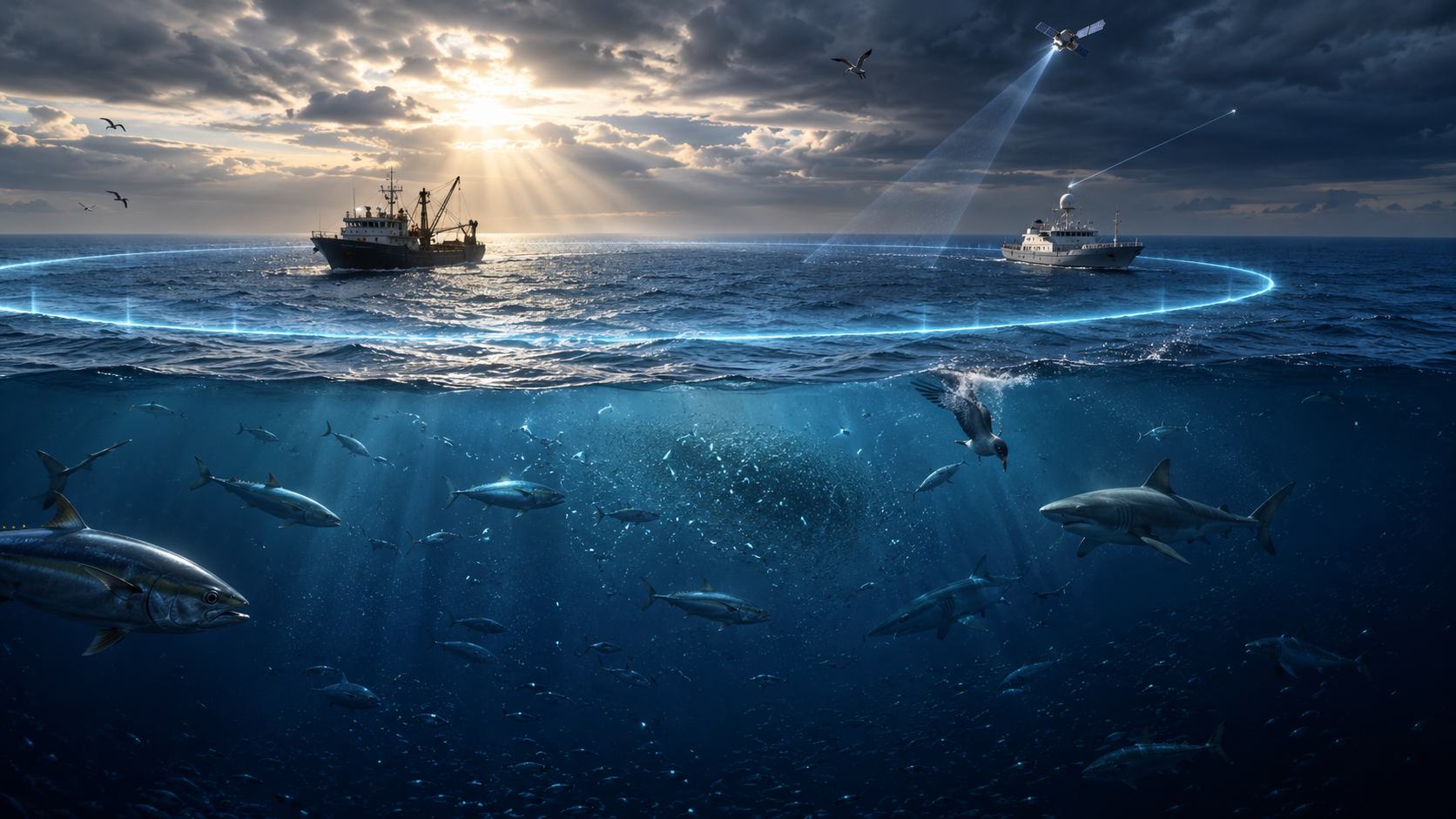
Countries can agree to protect the ocean in principle, but the real test comes when they need to ratify the treaty, fund implementation, monitor activity, enforce rules, and make decisions when economic interests are at stake.
Why This Treaty Matters
The treaty creates a legal pathway for marine protected areas on the high seas. That is a major shift because these waters have historically been treated as open space for extraction, fishing, shipping, research, and resource use.
Before this treaty, there was no comprehensive global mechanism to create marine protected areas in international waters.
That does not mean protection will happen automatically. It means the world finally has a structure to make it possible.
The Risk of Symbolic Protection
One of the biggest risks is that high seas marine protected areas become lines on a map without real enforcement.
Protection only matters if it changes what happens in the water. That means monitoring vessels, reducing illegal fishing, limiting harmful activity, and making sure countries cooperate beyond election cycles and political changes.
Without funding, enforcement, and accountability, the treaty could become another good idea that looks better on paper than it does in practice.
What Success Should Look Like
Success would mean measurable biodiversity recovery, stronger international cooperation, reduced illegal fishing, transparent monitoring, and long-term political commitment.
It would also mean treating the high seas as a shared responsibility rather than an unlimited resource.
That mindset shift is huge. For centuries, much of the ocean has been governed around extraction first. The High Seas Treaty asks whether protection can finally carry equal weight.
The Real Test
The High Seas Treaty is not a guaranteed victory for the ocean.
But it is a real opportunity.
What happens next depends on whether countries turn promises into measurable action. The treaty can create the path, but people, governments, scientists, advocates, and communities will determine whether that path leads to real protection.
The ocean does not need another symbolic win.
It needs protection that becomes real.

CEO
The Biggest Mouthful: How Blue Whales Eat and Why Krill Matters