The Deep Sea Isn’t Empty, It’s One of Earth’s Greatest Wonders
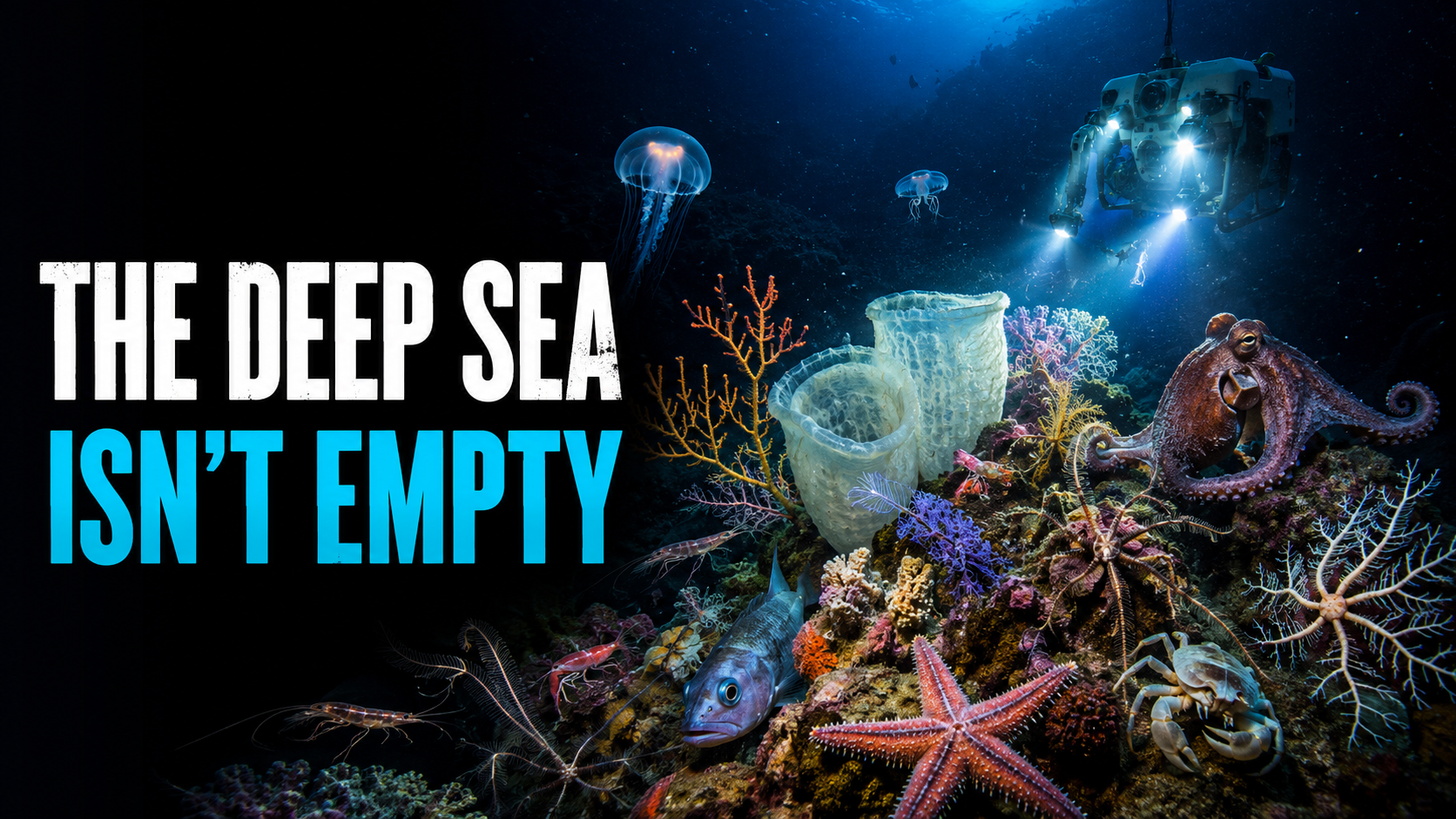
When most people picture the deep sea, they imagine an endless, dark desert with very little life. It’s an understandable assumption because sunlight never reaches these depths, temperatures hover just above freezing, and the pressure is crushing. But the reality couldn’t be more different. The deep ocean is one of the most biologically diverse places on our planet, and scientists continue to discover remarkable species every time they explore it.
In this episode of How to Protect the Ocean, we dive into one of the biggest misconceptions about our planet. Far below the surface lies a thriving world filled with extraordinary animals, ancient coral forests, towering glass sponges, and ecosystems that have evolved over millions of years. The deeper scientists look, the more they realize just how little we actually know.
Life Finds a Way
The deep sea challenges everything we think we know about survival. There is no sunlight for plants to grow, food is scarce, and the pressure can exceed hundreds of times what we experience at the surface. Yet thousands of species have evolved incredible adaptations that allow them to thrive in these extreme conditions.
Some animals create their own light through bioluminescence to attract prey or communicate with potential mates. Others have evolved highly sensitive eyes, flexible bodies, or slow metabolisms that allow them to survive on very little energy. Every expedition into the deep ocean reveals species that seem almost alien, reminding us that evolution can produce extraordinary solutions to difficult environments.
Hidden Ecosystems Beneath the Waves
The deep ocean is much more than scattered animals living on the seafloor. Scientists have discovered extensive coral gardens, massive sponge reefs, hydrothermal vent communities, and underwater mountains that support entire ecosystems. These habitats provide food, shelter, and breeding grounds for countless marine species.
Many of these ecosystems have developed over hundreds or even thousands of years. Deep sea corals often grow only a few millimeters each year, making them some of the slowest-growing organisms on Earth. Once damaged, recovery can take decades or even centuries.
Why Deep Sea Biodiversity Matters
Protecting deep sea biodiversity isn’t just about preserving strange-looking creatures. These ecosystems play an important role in maintaining healthy oceans that support fisheries, regulate climate, and recycle nutrients throughout the marine environment. Scientists are also studying deep sea organisms for discoveries that could improve medicine, biotechnology, and our understanding of life itself.
Because so much of the deep ocean remains unexplored, we don’t yet know what we stand to lose. Every new expedition reveals species that have never been seen before. That makes conservation especially important because we cannot protect what we don’t understand.
Exploration Is Just Beginning
Only a small fraction of the deep ocean has been explored in detail. Advances in remotely operated vehicles, autonomous underwater vehicles, and deep-diving submersibles are allowing scientists to reach places that were impossible to study just a few decades ago. Every mission expands our understanding of Earth’s largest habitat.
These discoveries are changing the way researchers think about biodiversity and ecosystem resilience. Rather than being an empty wasteland, the deep sea is proving to be one of the richest and most fascinating environments on the planet.
The Ocean’s Greatest Mystery
The deep sea reminds us that our own planet still holds incredible mysteries. While we often focus on exploring other planets, there is an entire world beneath the waves that remains largely unknown. Every new discovery helps us better understand how life adapts, survives, and flourishes under extreme conditions.
The next time someone describes the deep ocean as empty, you’ll know the truth. It is one of Earth’s greatest reservoirs of life, and protecting it may be one of the most important conservation challenges of our time.
If you’d like to learn more about the incredible biodiversity hidden beneath the ocean’s surface, listen to this episode of How to Protect the Ocean. You may never think about the deep sea the same way again.

CEO
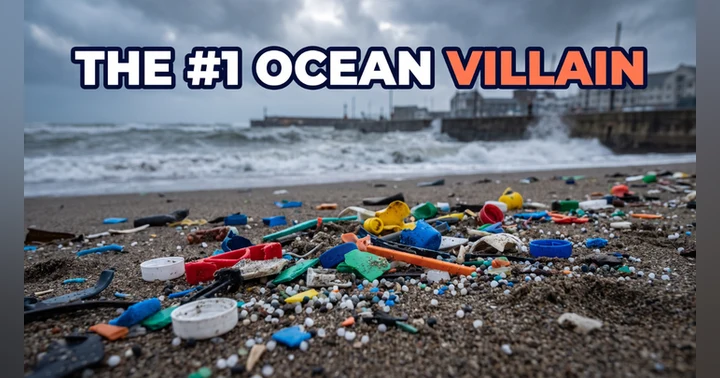
Plastic Is Still the Ocean's #1 Villain