The Mangrove Comeback Nobody Saw Coming
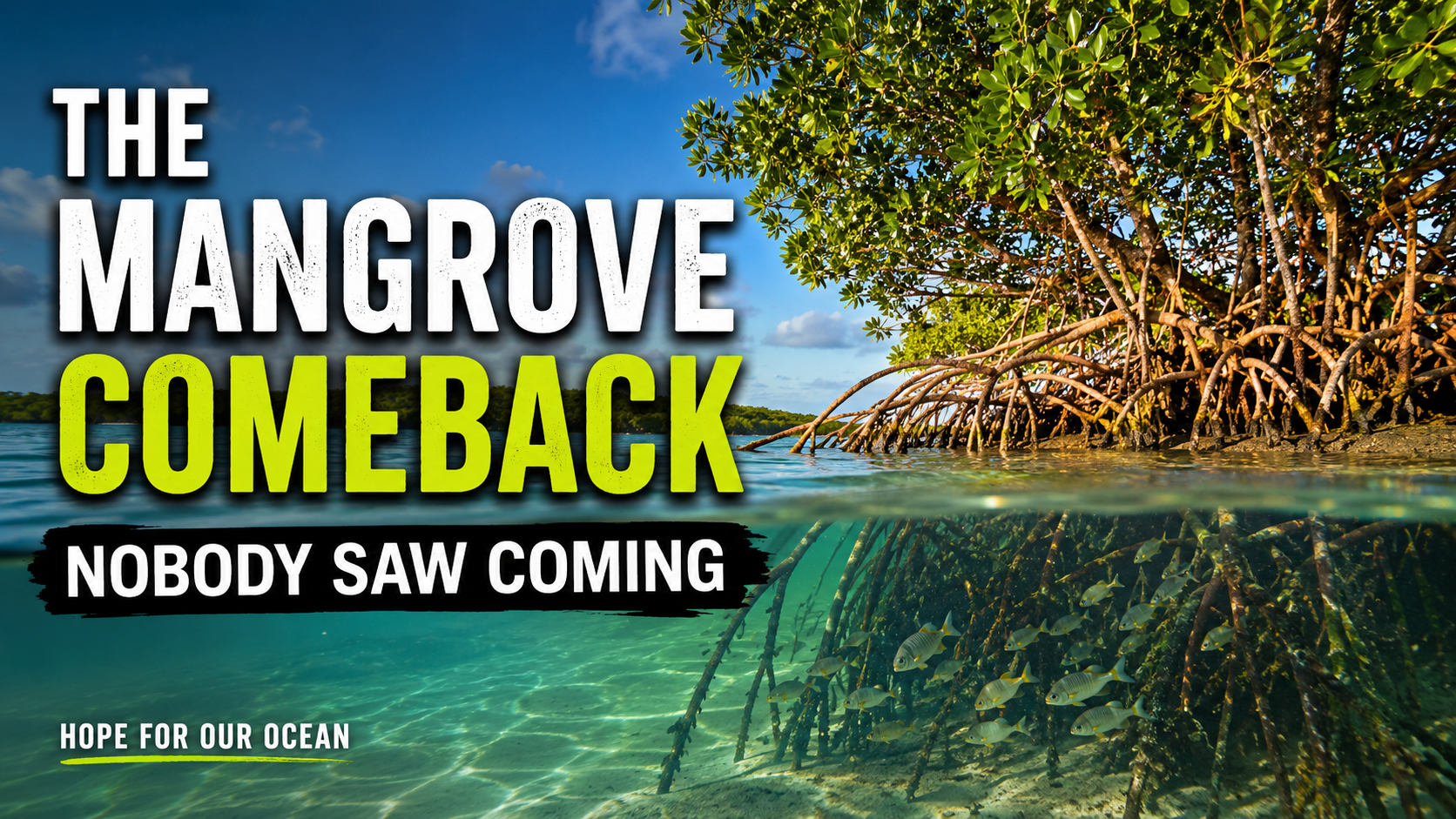
For decades, mangrove forests have been one of the most cited examples of environmental decline. Coastal development, shrimp farming, and agriculture have destroyed large areas of these unique ecosystems around the world. Many scientists believed that mangroves would continue disappearing unless dramatic conservation measures were taken.
A new global study offers a much more hopeful outlook. Researchers found that mangrove forests are recovering in many regions, with gains over the past 16 years outpacing losses. While challenges remain, this recovery shows that nature can be remarkably resilient when given the chance.
Why Mangroves Are So Important
Mangroves are much more than coastal trees. Their tangled root systems create nursery habitat for fish, crabs, shrimp, and countless other marine species. Many commercially important fisheries depend on healthy mangrove forests during the early stages of a fish’s life.
These forests also act as natural barriers against storms. Their dense roots reduce coastal erosion and absorb wave energy before it reaches homes, roads, and businesses. For millions of people living near the coast, mangroves provide protection that would be incredibly expensive to replace with engineered infrastructure.
Mangroves also play an important role in addressing climate change. They capture and store enormous amounts of carbon in both their trees and the sediments beneath them. Because of this ability, they are considered one of the world’s most valuable “blue carbon” ecosystems.
A Surprising Turnaround
For years, the news surrounding mangroves was almost entirely negative. Deforestation outpaced restoration, and many experts worried these ecosystems were approaching a tipping point. The latest research suggests that trend has begun to change.
Using decades of satellite imagery, scientists found evidence that mangroves have naturally regenerated in many locations. In some places, abandoned shrimp ponds and newly formed coastal mudflats created ideal conditions for new forests to establish themselves. Restoration projects have also contributed to this encouraging recovery.
This doesn’t mean every mangrove forest is healthy or fully restored. Many recovering forests are still young and will require years or decades before they provide the same ecological benefits as mature forests. Still, the findings demonstrate that recovery is possible.
Why This Matters for the Ocean
Healthy mangroves support healthier oceans. By protecting nursery habitat, they help sustain fish populations that support local fisheries and global seafood supplies. They also improve water quality by trapping sediments and filtering pollutants before they reach coral reefs and seagrass beds.
The benefits extend well beyond marine life. Coastal communities gain greater protection from storms, businesses face lower risks from erosion, and governments can reduce the costs associated with climate adaptation. Investing in mangrove conservation delivers environmental, economic, and social returns all at once.
Perhaps the most important lesson is that conservation efforts are working. Protecting existing forests while restoring degraded coastlines gives nature an opportunity to recover, often more effectively than many people expected.
Looking Ahead
The recovery of mangroves is one of the most encouraging ocean conservation stories of the year. It reminds us that environmental progress is possible when governments, communities, scientists, and conservation organizations work together. While threats such as coastal development and climate change remain, this research offers genuine reasons for optimism.
Protecting mangroves isn’t just about saving trees. It’s about protecting fisheries, reducing climate impacts, safeguarding coastal communities, and strengthening entire marine ecosystems. Every recovering mangrove forest represents another step toward healthier oceans and a more resilient future.

CEO
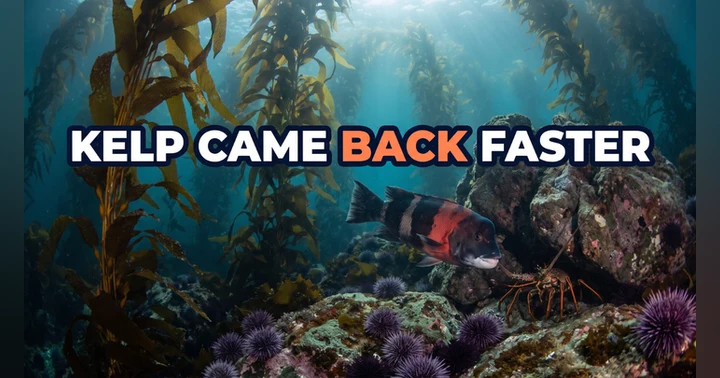
The Blob Hit California's Kelp. Protected Kelp Came Back Faster.