What Happens When Indigenous Communities Own the Project?
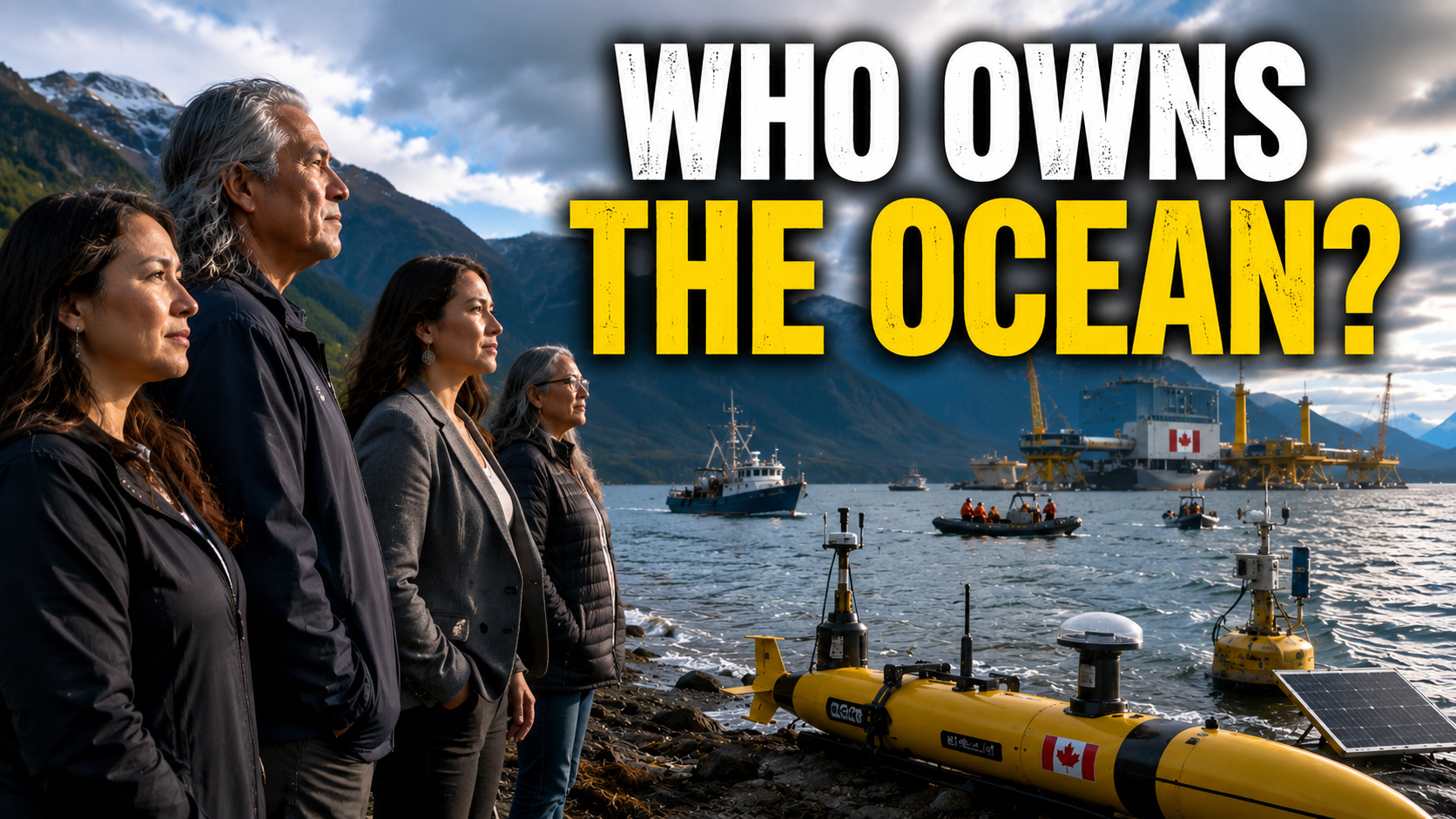
For decades, Indigenous communities were often brought into major project conversations after the biggest decisions had already been made. A company would design a project, governments would get involved, and Indigenous nations would be asked for feedback somewhere along the way.
That model is starting to change. More Indigenous nations are asking a much bigger question: if a project is happening in their territory, why should they not own part of it?
This episode looks at why that shift matters for ocean conservation, ocean technology, fisheries, and the future of major projects in Canada.
From Consultation to Ownership
Consultation has often been treated as the main step in working with Indigenous communities. But consultation alone does not always mean power, authority, or long-term benefit.
Ownership changes the conversation. It gives communities a seat at the decision-making table, a share in the economic benefits, and a stronger role in shaping how projects are built and managed.
That shift matters because Indigenous nations are not just stakeholders. They are rights holders with deep cultural, legal, and historical connections to the land, water, and ocean.
Why Ownership Changes the Stakes
When a community owns part of a project, the incentives change. The conversation is no longer only about approval, compensation, or short-term benefits.
Ownership can create long-term revenue, stronger accountability, and greater influence over environmental decisions. It can also help ensure that projects are developed with community priorities in mind.
For ocean conservation, that could be a major turning point. The people most connected to the ocean could have more power over the projects that operate there.
The Clearwater Seafoods Example
One of the strongest examples comes from Atlantic Canada. A coalition of Mi’kmaq First Nations acquired a 50 percent ownership stake in Clearwater Seafoods, one of the largest seafood companies in North America.
That was not just a consultation agreement. It was ownership in a major seafood company connected directly to ocean resources.
This kind of deal shows how Indigenous nations can move from being asked for input to helping lead the future of fisheries, seafood, and ocean-based industries.
What This Means for Ocean Technology
The same question now applies to ocean technology. As AI, autonomous vehicles, ocean sensors, data platforms, and monitoring tools become more important, we need to ask who owns them.
Who controls the data? Who decides how technology is used? Who benefits from the economic opportunities created by ocean innovation?
If Indigenous ownership becomes part of ocean technology from the beginning, it could lead to better relationships, stronger stewardship, and more responsible ocean development.
Why This Matters for Conservation
Ocean conservation is not only about science or technology. It is also about power, governance, and who gets to make decisions.
When Indigenous communities are treated only as participants, they can still be left out of the most important decisions. When they are owners, the entire structure changes.
That shift could shape the future of ocean projects in Canada and beyond. It could also help build a conservation model that is more just, more accountable, and more connected to the communities most affected by these decisions.
Final Thought
The future of ocean conservation will not be shaped by technology alone. It will be shaped by who controls that technology, who benefits from it, and who has the authority to decide how it is used.
That is why Indigenous ownership matters. It moves the conversation from being included to helping lead.

CEO
Nature's Kidneys: How Coastal Wetlands Filter Nitrogen Pollution for Free