Why Business Sustainability Is Becoming Non-Negotiable
Sustainability anxiety is easy to come by right now. Wildfires, sea level rise, melting ice, and governments that keep investing in fossil fuels regardless of who holds power can make the climate crisis feel unsolvable. That anxiety is where today's episode of How to Protect the Ocean starts, but it does not end there. The more useful question is where change is actually coming from, and increasingly, that answer is business.
Companies exist to solve problems people are willing to pay to have solved. Sustainability has become one of those problems, driven by two forces working at the same time: customers who are willing to spend and speak up, and governments that are willing to regulate. The European Union's corporate sustainability due diligence directive is the clearest example of the regulatory side. It requires large companies to identify and address environmental and human rights harms across their entire global supply chain, not just their own direct operations, and it entered into force in mid-2024. Companies headquartered in the EU are on the hook globally, even if only part of their business touches Europe.
That regulation has not gone unchallenged. EU ministers have already endorsed amendments that reduce the number of companies covered and push back the timeline, following pressure from industry over competitiveness against foreign rivals. Large corporations can typically absorb compliance costs more easily than small and medium-sized businesses, which face a proportionally heavier upfront investment for the same requirements. That tension between corporate size and regulatory burden is likely to keep shaping how these rules get finalized.
Consumer pressure is the other half of the equation, and it does not require living in Europe to use it. Every purchase is a small vote for or against a company's practices, whether that is choosing an electric vehicle over a gas-powered one, an electric boat motor over a traditional outboard, or simply avoiding brands that will not disclose their supply chain practices. Cancel culture gets criticized for good reason, but the upside is real: collective consumer pressure has pushed entire industries, including entertainment production, toward more sustainable practices.
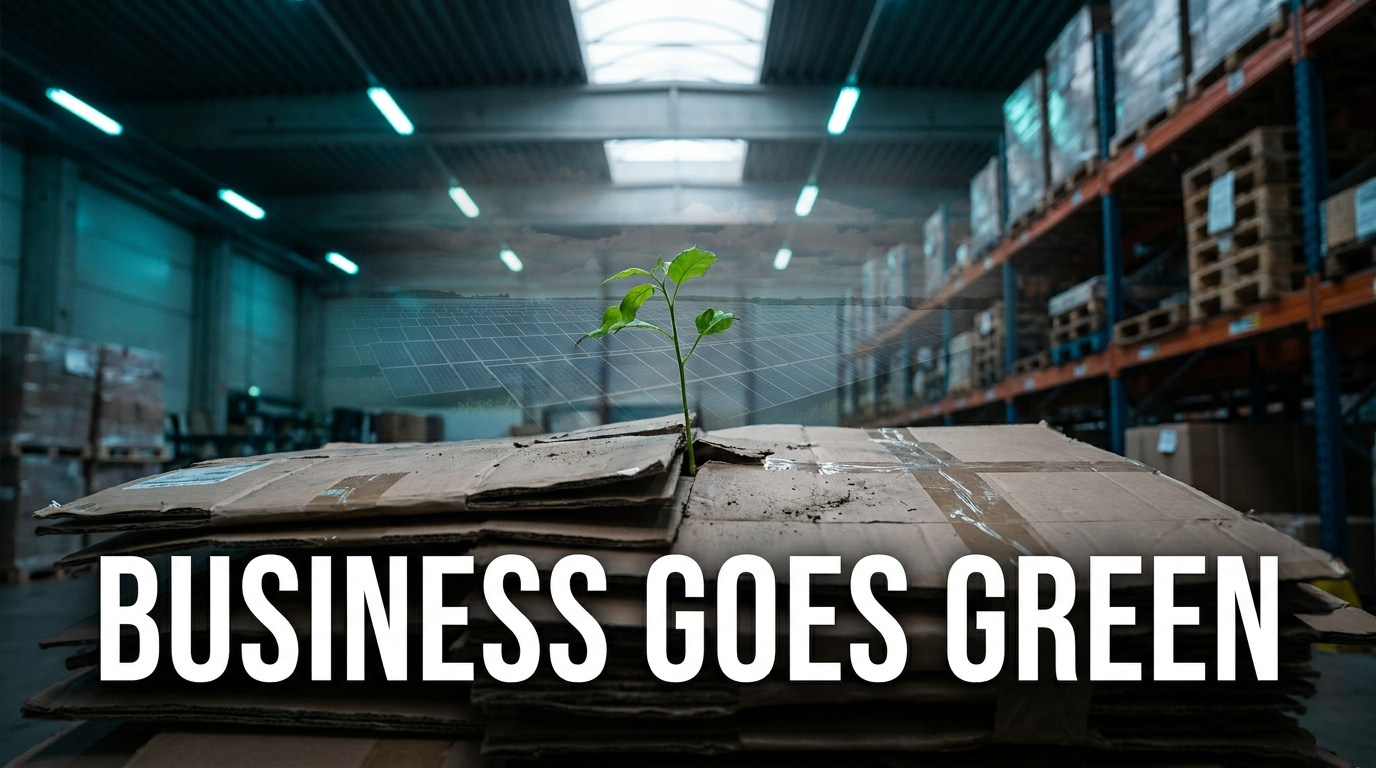
Sustainability upgrades often carry an upfront cost, but the long-term payoff can be significant. Mountain Equipment Co-op discovered this firsthand. After bringing in lean certification consultants to audit its warehouse operations, the retailer found it lacked an efficient system for sorting and recycling the cardboard packaging arriving from suppliers. Fixing that process required an initial investment, but it now saves the company millions of dollars every year, a reminder that sustainability and profitability are not always in tension.
For consumers who want to make informed choices without doing hours of research on every brand, B Corp certification offers a shortcut. The audit-based certification program scores companies on a triple bottom line of people, profit, and planet, covering everything from employee treatment to environmental impact to how profits get shared. Companies that do not pass get a clear roadmap for what to fix, and the B Corp website lets consumers check a company's score before making a purchase.
This episode sets up Friday's interview with a sustainability consultant who works in the entertainment industry, covering how production companies are applying these same principles to the making of TV shows and movies.
Takeaways
- The EU corporate sustainability due diligence directive requires large companies to address environmental and human rights harms across their full global supply chain
- Consumer spending and cancel culture create real pressure on companies to change their environmental practices
- Mountain Equipment Co-op saved millions of dollars annually after fixing its warehouse recycling and packaging process
- B Corp certification scores companies on people, profit, and planet, giving consumers a way to vet businesses before buying
- Small and medium-sized businesses face a heavier relative burden than large corporations when new sustainability regulations take effect
- Industry pushback has already led EU ministers to reduce the number of companies covered by the directive and delay its timeline

CEO


