Why We Can’t Protect What We Don’t Understand
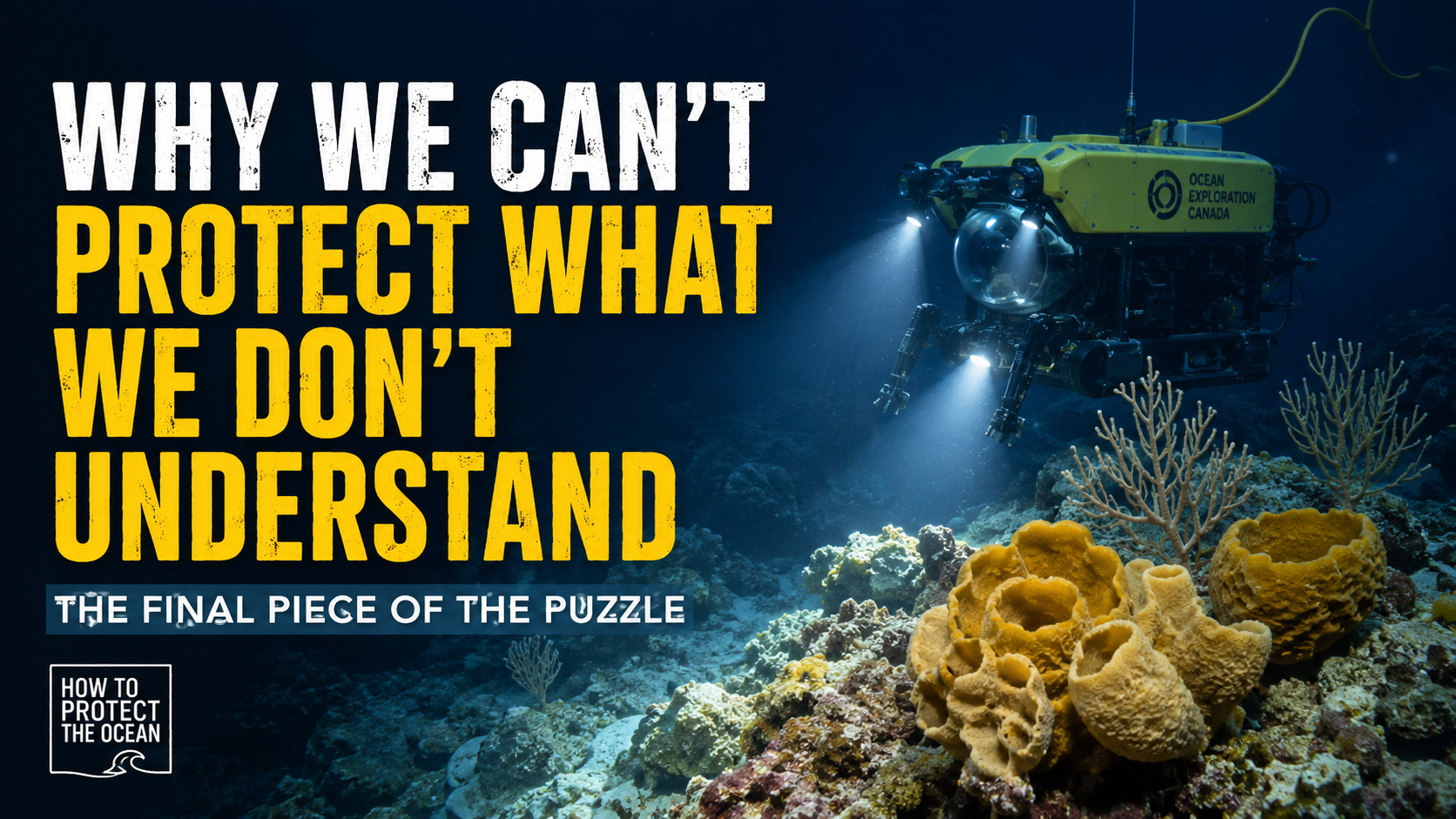
When people think about ocean exploration, they often imagine scientists discovering strange creatures thousands of meters below the surface. While those discoveries are fascinating, they are only a small part of why exploration matters. The real value of ocean exploration is that it gives us the knowledge we need to make better conservation decisions. Without understanding what exists beneath the waves, we cannot hope to protect it effectively.
Exploration Is the Foundation of Conservation
Every marine protected area begins with a simple question: what lives there? Scientists need to understand habitats, biodiversity, and ecological connections before governments can decide which areas deserve protection. Mapping the seafloor, identifying coral gardens, and documenting sponge reefs all provide the evidence needed to support conservation efforts. Exploration transforms unknown places into places worth protecting.
The challenge is that we still know surprisingly little about much of our ocean. Large areas of the seafloor remain unmapped, and countless species have yet to be discovered. Every expedition has the potential to reveal ecosystems that play an important role in maintaining ocean health. Those discoveries often reshape our understanding of how marine ecosystems function.
The Cost of Not Knowing
There is a hidden cost when we fail to explore the ocean. Human activities such as fishing, seabed development, and resource extraction can damage habitats long before anyone realizes they exist. By the time scientists document these ecosystems, some may already be degraded or lost. Conservation becomes much harder when decisions are made without good information.
That uncertainty affects more than just wildlife. Healthy marine ecosystems support fisheries, regulate our climate, store carbon, and contribute to coastal economies around the world. Understanding these systems helps governments, industries, and communities make choices that balance economic development with environmental protection.
Technology Is Opening New Doors
Today’s ocean scientists have tools that previous generations could only imagine. Autonomous underwater vehicles, remotely operated vehicles, high-resolution sonar, and advanced sensors allow researchers to explore places that were once impossible to reach. These technologies produce detailed maps and collect data that improve our understanding of the deep sea.
Each expedition adds another piece to an enormous puzzle. Scientists combine observations from multiple research cruises to identify important habitats and understand how ecosystems change over time. This growing body of knowledge provides the scientific foundation for better conservation policies.
Why This Matters to You
It can be easy to think that deep-sea exploration has little to do with everyday life, but the opposite is true. The ocean regulates Earth’s climate, supports global food systems, and influences weather patterns that affect communities everywhere. Protecting these systems begins with understanding how they work.
The more we learn about the ocean, the better equipped we are to make informed decisions about its future. Exploration is not simply about satisfying curiosity. It is an investment in better science, stronger conservation, and healthier oceans for generations to come.
Looking Ahead
This episode concludes our series on deep-sea exploration by focusing on why knowledge itself is one of the most valuable conservation tools we have. Tomorrow, we’ll build on these ideas in a special interview with experts from Fisheries and Oceans Canada and Ocean Networks Canada, who are helping expand our understanding of Canada’s remarkable underwater world.
Because in the end, protecting the ocean doesn’t start with drawing lines on a map. It starts by discovering what those maps have been missing all along.

CEO
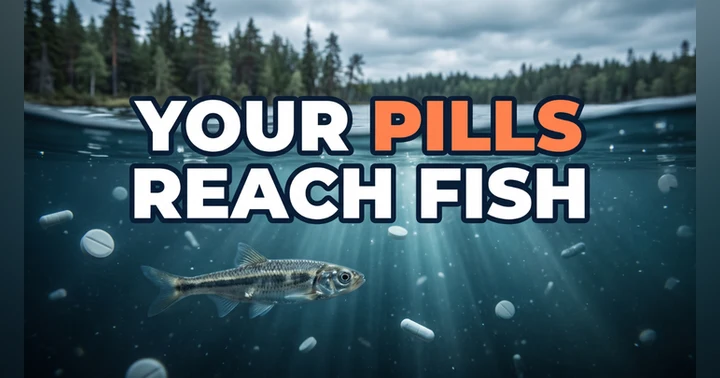
What Happens to Fish When Our Pills Reach the Water?