Are We Paying to Damage the Ocean?


 Apple Podcasts
 Spotify
 YouTube
 Amazon Music
 PocketCasts
 Overcast
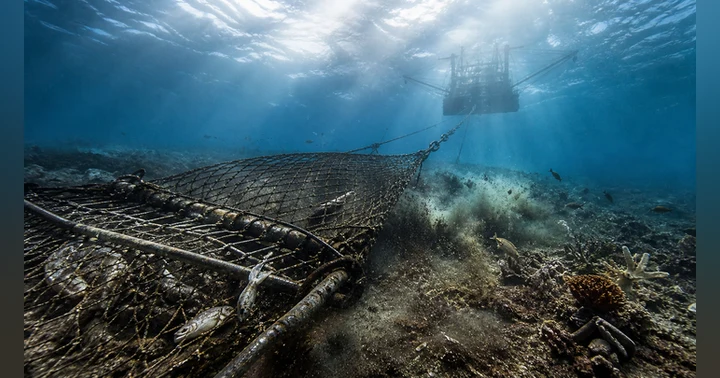
 Bottom trawling is one of the most common fishing methods in the world, but what if it costs society more than it earns in profit?
In this episode of How to Protect the Ocean, we look at a recent study on bottom trawling in Europe that found the total societal costs can be far higher than the profits generated, in some cases up to 90 times higher. Much of that hidden cost comes from carbon released when heavy fishing gear scrapes across the seafloor.
Industrial fishing is not just about what ends up on your plate. It is also about public subsidies, damaged habitats, lost carbon storage, bycatch, and whether taxpayers are helping fund practices that harm the ocean.
Ocean conservation depends on asking a harder question: are we measuring seafood by market price alone, or by its full cost to society?
Support Independent Podcasts: https://www.speakupforblue.com/patreon
Help fund a new seagrass podcast: https://www.speakupforblue.com/seagrass
Connect with Speak Up For Blue
Website: https://bit.ly/3fOF3Wf
Instagram: https://bit.ly/3rIaJSG
TikTok: https://www.tiktok.com/@speakupforblue
Twitter: https://bit.ly/3rHZxpc
YouTube: www.speakupforblue.com/youtube
00:00:00,050 --> 00:00:02,770
What if one of the most
common fishing methods costs
2
00:00:02,770 --> 00:00:04,616
more than it actually makes?
3
00:00:04,616 --> 00:00:08,206
That's what we're gonna talk about
on today's episode, because this is
4
00:00:08,206 --> 00:00:11,086
the How to Protect the Ocean podcast,
where we talk about the good, the
5
00:00:11,086 --> 00:00:15,776
bad, and the ugly in this situation
of what's happening in the ocean.
6
00:00:15,979 --> 00:00:19,703
If you wanna find out more and you
wanna learn more about the ocean and
7
00:00:19,703 --> 00:00:24,839
you wanna hear this podcast talk about
it five days a week, you can follow.
8
00:00:24,869 --> 00:00:27,290
Hit that follow button on your
favorite podcast app so you
9
00:00:27,290 --> 00:00:28,779
don't miss next week's episodes.
10
00:00:28,939 --> 00:00:33,050
Monday to Friday, we're gonna have an
interview on Friday, four solo episodes
11
00:00:33,050 --> 00:00:34,400
to prepare you for that interview.
12
00:00:34,573 --> 00:00:36,043
It's a full themed week.
13
00:00:36,103 --> 00:00:39,400
I can't wait to introduce that
to you, that theme next week.
14
00:00:39,430 --> 00:00:42,140
So stay tuned for Monday, but
hit that follow button to listen
15
00:00:42,140 --> 00:00:44,320
to more of these episodes.
16
00:00:45,050 --> 00:00:47,990
It's kind of interesting 'cause the
question for today is, are we funding
17
00:00:47,990 --> 00:00:52,410
an industry that is damaging the ocean
more than it actually benefits us?
18
00:00:52,693 --> 00:00:56,903
And I think sometimes you
look at the idea of fishing.
19
00:00:57,240 --> 00:00:59,640
A lot of times when you see
fishing, it's usually one or
20
00:00:59,640 --> 00:01:01,040
two people go out on a boat.
21
00:01:01,040 --> 00:01:04,440
They take fishing nets, or they'll take
a rod and reel, and they'll just kind of
22
00:01:04,440 --> 00:01:07,356
pull and reel, and they'll just kinda
put their fishing line in, and they take
23
00:01:07,356 --> 00:01:09,006
the fish out and they put it in a bucket.
24
00:01:09,213 --> 00:01:11,773
And they just continue to do that until
their bucket's full or the boat's full,
25
00:01:11,773 --> 00:01:14,903
and then they go in and they sell it, and
they can feed their families and so forth.
26
00:01:15,176 --> 00:01:17,646
But then when you start to think
about the industrial fishing fleet,
27
00:01:17,883 --> 00:01:21,607
that's where it gets dangerous and a
little kinda nasty and destructive.
28
00:01:21,887 --> 00:01:26,217
And when you start to see the damage
some of these tools that are used to
29
00:01:26,217 --> 00:01:31,347
fish can cause, and they're not used
in the proper way, or they're overused,
30
00:01:31,631 --> 00:01:33,151
they can really cause a lot of damage.
31
00:01:33,151 --> 00:01:34,961
And that's what we're gonna be
talking about today, 'cause we're
32
00:01:34,961 --> 00:01:39,761
gonna be talking about a recent study
that was covered on the site that I
33
00:01:39,761 --> 00:01:41,647
love the most this week, phys.org.
34
00:01:41,877 --> 00:01:44,287
It examined bottom trawling in Europe.
35
00:01:44,287 --> 00:01:48,127
And you've probably saw a lot about
bottom trawling in the movie Oceans, that
36
00:01:48,127 --> 00:01:51,654
was narrated by Sir David Attenborough,
and it was released last year.
37
00:01:51,874 --> 00:01:56,574
In advancement of the Nice Conference
of the Ocean Decade, they talked about
38
00:01:56,574 --> 00:02:00,404
this fishing method where heavy nets
are used to drag across the sea floor.
39
00:02:00,667 --> 00:02:03,497
And what it is, it's basically two
doors, a lot of the times with a
40
00:02:03,497 --> 00:02:06,697
chain that goes along the bottom, and
there's a net that goes behind that.
41
00:02:06,727 --> 00:02:07,837
And it's attached to a boat.
42
00:02:08,027 --> 00:02:10,787
And that boat releases the net,
and it goes underwater, and it
43
00:02:10,787 --> 00:02:12,107
usually drags along the bottom.
44
00:02:12,107 --> 00:02:14,117
They have some that are in
the water column, but mostly
45
00:02:14,117 --> 00:02:15,567
it's, drags along the bottom.
46
00:02:15,861 --> 00:02:19,327
And that net will go across,
and that chain and the doors
47
00:02:19,327 --> 00:02:21,497
will go across the ocean floor.
48
00:02:21,497 --> 00:02:23,797
And it'll just destroy
everything in its path.
49
00:02:24,054 --> 00:02:26,604
It'll go for a couple of kilometers,
and it'll pick up the net.
50
00:02:26,827 --> 00:02:29,174
It'll take the net and
just open it on the deck.
51
00:02:29,341 --> 00:02:32,374
And then the fishermen go through and they
say, "I wanna keep this fish. I'm not
52
00:02:32,374 --> 00:02:34,444
gonna keep this fish. I'm gonna throw it
overboard." And there's all this stuff.
53
00:02:34,654 --> 00:02:36,774
There's a lot of bycatch,
meaning there are fish that are
54
00:02:36,774 --> 00:02:38,021
not targeted that are caught.
55
00:02:38,211 --> 00:02:40,261
Other seafood like invertebrates
and stuff like that, if they're
56
00:02:40,261 --> 00:02:42,677
targeting fish that are not the
target species that are caught.
57
00:02:42,894 --> 00:02:47,161
There are certain net sizes, mesh sizes
that allow certain species to go through
58
00:02:47,161 --> 00:02:48,971
and not allow other species to go through.
59
00:02:49,187 --> 00:02:52,177
There are sea turtle exclusion
devices which allow sea turtles to
60
00:02:52,177 --> 00:02:54,457
get out of the nest so they don't
get stuck, they don't get caught.
61
00:02:54,457 --> 00:02:57,581
But you've seen a lot of videos where
you've seen great white sharks that
62
00:02:57,581 --> 00:02:59,891
are caught in the net, whale sharks
that are caught in the net, manta
63
00:02:59,891 --> 00:03:02,591
rays that are caught in the net, other
sharks that are caught that are not
64
00:03:02,591 --> 00:03:07,004
the target species that could die,
dolphins, some small whales, pilot
65
00:03:07,004 --> 00:03:08,844
whales and so forth that have been caught.
66
00:03:09,041 --> 00:03:12,601
The nets can be various lengths
and sizes that can catch a
67
00:03:12,601 --> 00:03:13,441
certain amount of species.
68
00:03:13,604 --> 00:03:17,131
Some of those, like, high seas
trawlers are massive, and their
69
00:03:17,131 --> 00:03:21,001
nets are just gigantic, and they
catch so much, so much seafood.
70
00:03:21,191 --> 00:03:22,821
And not all of it is the target species.
71
00:03:23,171 --> 00:03:24,721
Many of it is not the target species.
72
00:03:24,961 --> 00:03:27,381
And so we're gonna be talking
about that fishing method
73
00:03:27,381 --> 00:03:28,871
today, because it's important.
74
00:03:28,961 --> 00:03:32,671
Because a study found that while
the industry generates profit, the
75
00:03:32,671 --> 00:03:35,741
total societal cost is far higher.
76
00:03:36,081 --> 00:03:38,911
And in some cases, up to 90 times higher.
77
00:03:38,911 --> 00:03:41,261
We're gonna talk about what that
actually means, because a lot
78
00:03:41,261 --> 00:03:43,731
of times we're hearing trawlers,
"Well, the fish it brings in, it
79
00:03:43,731 --> 00:03:45,271
probably makes a profit out of it."
80
00:03:45,484 --> 00:03:49,594
But what else do we have to consider
when we are talking about trawling, when
81
00:03:49,594 --> 00:03:51,204
we're talking about this fishing method?
82
00:03:51,544 --> 00:03:55,321
Because most of that cost that is
90 times higher comes from carbon.
83
00:03:55,541 --> 00:03:56,281
Yes, carbon.
84
00:03:56,281 --> 00:03:58,681
We talked about carbon earlier this
week, about how there are certain
85
00:03:58,681 --> 00:04:02,431
environments that will store carbon
better than environments on land.
86
00:04:02,664 --> 00:04:07,471
And we know that these areas can
store, like, up to four to 10 times
87
00:04:07,521 --> 00:04:10,091
of the carbon that trees on land can.
88
00:04:10,347 --> 00:04:13,287
And so the sea floor that
stores large amounts of this
89
00:04:13,287 --> 00:04:14,567
carbon is really important.
90
00:04:14,841 --> 00:04:16,651
But of course, trawling disturbs that.
91
00:04:16,661 --> 00:04:21,321
It just kinda scrapes all those animals
out, and it destroys the bottom, like
92
00:04:21,321 --> 00:04:24,701
the first layer of that bottom part
of the ocean, that will release all
93
00:04:24,701 --> 00:04:26,231
of that carbon back into the system.
94
00:04:26,507 --> 00:04:31,067
And that's where we start to see where,
all, like, the mitigation and everything
95
00:04:31,067 --> 00:04:34,741
that's done and all these productive
habitats, 'cause, habitat really ends
96
00:04:34,741 --> 00:04:38,341
up protecting the ocean, protecting
the fish that are in the ocean, the
97
00:04:38,341 --> 00:04:40,381
crabs, the lobsters, the invertebrates.
98
00:04:40,624 --> 00:04:42,124
That habitat provides a home.
99
00:04:42,124 --> 00:04:42,714
It's like a home.
100
00:04:42,714 --> 00:04:45,594
So imagine a tornado comes across
and just destroys your home.
101
00:04:45,911 --> 00:04:46,921
And your home is gone.
102
00:04:46,921 --> 00:04:48,041
You gotta rebuild that home.
103
00:04:48,071 --> 00:04:50,681
But it's expensive to rebuild that
home, and not everybody's gonna
104
00:04:50,681 --> 00:04:52,111
be able to rebuild that home.
105
00:04:52,354 --> 00:04:56,474
Well, the same thing is happening in
the ocean, but even faster and more.
106
00:04:56,774 --> 00:05:00,894
And even in marine protected areas, like
the UK just until recently allowed, I
107
00:05:00,894 --> 00:05:03,971
believe it's still until recently, I
have to look up that, but they allowed
108
00:05:03,971 --> 00:05:06,201
trawling in their marine protected areas.
109
00:05:06,301 --> 00:05:08,671
Well, how can you protect fisheries
if you're gonna allow trawling
110
00:05:08,671 --> 00:05:09,671
in marine protected areas?
111
00:05:09,971 --> 00:05:12,831
That's the whole point a lotta times
of marine protected areas to do that,
112
00:05:12,861 --> 00:05:14,321
and we're not seeing that happen.
113
00:05:14,701 --> 00:05:15,721
So carbon gets released.
114
00:05:15,721 --> 00:05:18,341
Now, there's also another
layer, the public subsidies
115
00:05:18,341 --> 00:05:19,791
that support the industry.
116
00:05:20,151 --> 00:05:22,101
So, society ends up paying for it twice.
117
00:05:22,101 --> 00:05:26,271
So taxpayer dollars goes to subsidize
the industry so that these fishers and
118
00:05:26,271 --> 00:05:28,301
fishing industry can actually make money.
119
00:05:28,624 --> 00:05:32,281
Once through the funding, and again in
the environmental damage, we're looking
120
00:05:32,281 --> 00:05:38,147
at a lot of costs to society and it
outweighs the cost by 90 times, the cost
121
00:05:38,147 --> 00:05:39,877
of the profit that's made from these.
122
00:05:40,227 --> 00:05:44,037
So at what point do we allow these
subsidies to continue and the
123
00:05:44,037 --> 00:05:46,097
damage to the environment continue?
124
00:05:46,357 --> 00:05:49,287
You wanna support the local
community, but is trawling the way?
125
00:05:49,627 --> 00:05:53,821
And is trawling in certain areas only
the way, where we allow small areas
126
00:05:53,821 --> 00:05:57,664
where trawling can happen, and hopefully
restoration can happen within that area.
127
00:05:58,034 --> 00:06:01,874
Or it's not the same areas
all over and over again.
128
00:06:02,384 --> 00:06:03,664
Now, there are clear options.
129
00:06:03,664 --> 00:06:06,991
Like I said, we can restrict trawling in
certain areas, in the marine protected
130
00:06:06,991 --> 00:06:08,551
areas and other sensitive areas.
131
00:06:08,817 --> 00:06:11,017
But we should also reevaluate subsidies.
132
00:06:11,438 --> 00:06:15,266
Now, I've covered an episode or
two on subsidies, and the World
133
00:06:15,266 --> 00:06:18,576
Bank has this new subsidy document
that's out and policy that's out.
134
00:06:18,856 --> 00:06:23,506
And that's, when we can start to look at
reevaluating subsidies and taking action
135
00:06:23,506 --> 00:06:29,443
on it and aligning policies with real
costs, now we can really start to make
136
00:06:29,443 --> 00:06:34,046
a difference and really start to reduce
those extra costs on the environment.
137
00:06:34,339 --> 00:06:38,456
So when you get a fish next time,
you're getting seafood, and you know
138
00:06:38,456 --> 00:06:41,618
it's been caught by something that's
been trawled, you now know the cost.
139
00:06:41,618 --> 00:06:46,238
It's not just you're paying for the fish,
but the societal cost, the world cost of
140
00:06:46,301 --> 00:06:50,131
releasing all that carbon, destroying that
habitat, and subsidizing with your money.
141
00:06:50,538 --> 00:06:53,451
I'm not saying don't eat seafood, but
maybe eat seafood from another method.
142
00:06:53,809 --> 00:06:57,082
Cause right now the system is
misaligned, and we need to fix it.
143
00:06:57,513 --> 00:07:00,909
And until we fix it, it's always
gonna be misaligned, obviously.
144
00:07:01,299 --> 00:07:02,659
I think I just reaffirmed myself.
145
00:07:03,069 --> 00:07:05,769
But anyway, regardless, it's
something that's really important
146
00:07:05,769 --> 00:07:07,129
'cause it's not just overfishing.
147
00:07:07,659 --> 00:07:10,339
It's a system where we pay
to make the ocean worse.
148
00:07:10,639 --> 00:07:11,329
Think about that.
149
00:07:11,789 --> 00:07:15,239
We're actually hitting it 90 times worse
than what we left it just for fish.
150
00:07:15,614 --> 00:07:17,511
I'm not saying seafood altogether is bad.
151
00:07:17,771 --> 00:07:21,381
What I'm saying is trawling may not be the
way we're doing it, and the way we manage
152
00:07:21,381 --> 00:07:24,717
it right now is definitely not the way
to do it, and it's making the ocean worse.
153
00:07:24,938 --> 00:07:27,308
So I would love to hear
your comments on this.
154
00:07:27,308 --> 00:07:30,048
I would love to hear what you
have to say, because this is the
155
00:07:30,048 --> 00:07:31,488
beginning of a conversation.
156
00:07:31,488 --> 00:07:34,988
I started this podcast 11 years ago
to continue that conversation to
157
00:07:34,988 --> 00:07:37,798
happen, and just to introduce you to
all these different things that are
158
00:07:37,798 --> 00:07:41,436
happening in the ocean, and I would
love to hear your thoughts on trawling
159
00:07:41,436 --> 00:07:42,386
and what we should do about it.
160
00:07:42,386 --> 00:07:45,576
If you wanna hit me up on my socials,
just go in the show notes of your favorite
161
00:07:45,576 --> 00:07:48,600
podcast app that you're listening on this,
listening to this podcast episode on.
162
00:07:48,814 --> 00:07:51,174
And of course, if you wanna give
me feedback, you can do that at
163
00:07:51,174 --> 00:07:54,854
speakupforblue.com/feedback, all one word.
164
00:07:55,144 --> 00:07:57,504
speakupforblue.com/feedback.
165
00:07:57,604 --> 00:08:01,304
Leave me a voicemail, or you can put
some text in and/or type in your answer or
166
00:08:01,304 --> 00:08:04,894
comment or question or whatever that might
be, critique, whatever that might be, and
167
00:08:04,894 --> 00:08:07,234
I would love to hear from you on that.
168
00:08:07,234 --> 00:08:10,884
And of course, if you want to get an
email every day, five days a week,
169
00:08:11,007 --> 00:08:15,557
you can do so by signing up to my
newsletter, speakupforblue.com/newsletter.
170
00:08:15,881 --> 00:08:18,551
I wanna thank you so much for
joining me this week on these
171
00:08:18,551 --> 00:08:20,811
podcast episodes each and every day.
172
00:08:20,811 --> 00:08:22,851
It's so much fun to be able to do this.
173
00:08:23,111 --> 00:08:25,961
I'm looking forward to next week,
getting back into the regular theme.
174
00:08:26,164 --> 00:08:27,784
I'll let you know what that is on Monday.
175
00:08:28,054 --> 00:08:32,384
And, yeah, I can't wait to hear from
you, and I can't wait for you to hit that
176
00:08:32,384 --> 00:08:35,964
follow button, and share this episode with
somebody you think will benefit from it.
177
00:08:35,964 --> 00:08:38,684
So thank you so much for joining
me on today's episode of the How
178
00:08:38,684 --> 00:08:39,804
to Protect the Ocean podcast.
179
00:08:39,804 --> 00:08:41,151
I'm your host, Andrew Lewin.
180
00:08:41,394 --> 00:08:42,634
We'll talk to you next time.
181
00:08:42,634 --> 00:08:44,854
Have a great weekend,
and happy conservation.