Are We Paying to Damage the Ocean?
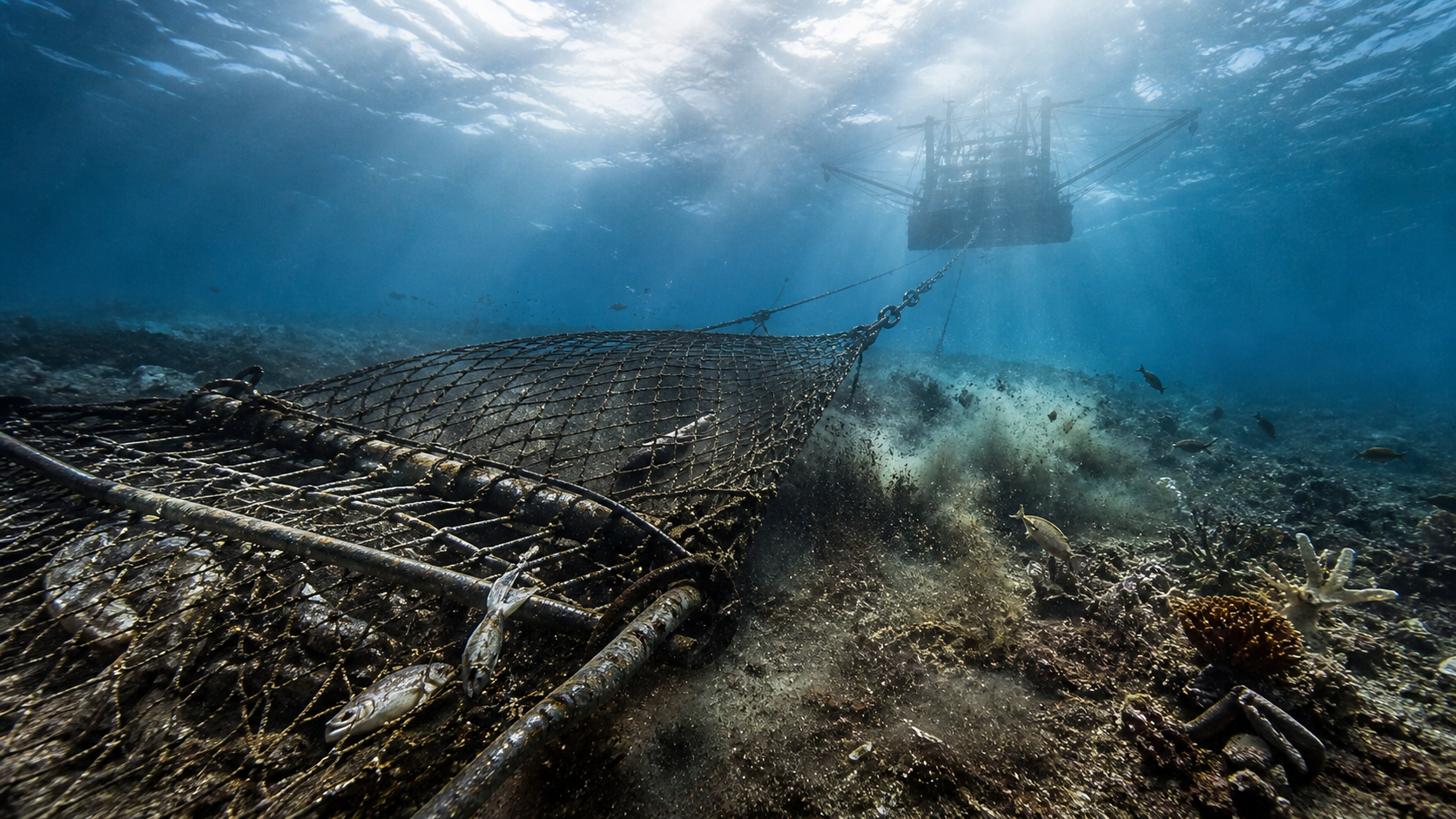
What if one of the most common fishing methods costs more than it actually makes?
That is the uncomfortable question at the heart of this episode of How to Protect the Ocean.
Bottom trawling is a fishing method where heavy nets are dragged across the seafloor. These nets can catch large amounts of seafood, but they can also disturb habitats, capture non-target species, and scrape through ecosystems that store carbon.
On paper, bottom trawling can look profitable.
But when you include the full cost to society, the picture changes.
A recent study on bottom trawling in Europe found that the societal costs can be much higher than the profits generated by the industry. In some cases, those costs may be up to 90 times higher.
That is a huge difference.
And much of that hidden cost comes from carbon.
The seafloor stores carbon. When bottom trawling disturbs sediment, that carbon can be released back into the water column and potentially contribute to broader climate impacts. That means bottom trawling is not just a fisheries issue. It is also a climate issue.
There is another layer to this problem: public subsidies.
If taxpayer money helps support parts of the fishing industry, and that same industry creates environmental damage, then society may be paying twice.
First, through subsidies.
Second, through the environmental costs that come afterward.
That is why this episode asks a bigger question: should we continue funding fishing practices that damage the ocean more than they benefit society?
This does not mean all fishing is bad.
It does mean we need to be honest about the difference between responsible fishing and industrial practices that create hidden costs.
Seafood has a price at the store.
But the ocean pays a price too.
And so do we.

CEO
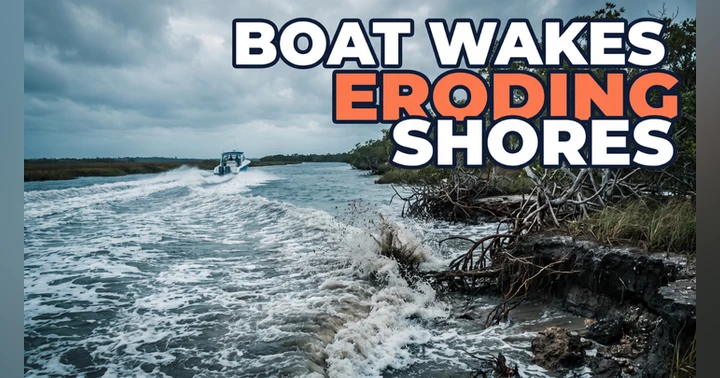
Boat Wake Erosion Explained: The Coastal Threat With Nothing to Do With Climate Change