Are Ocean Scientists Becoming Fundraisers Just to Survive?
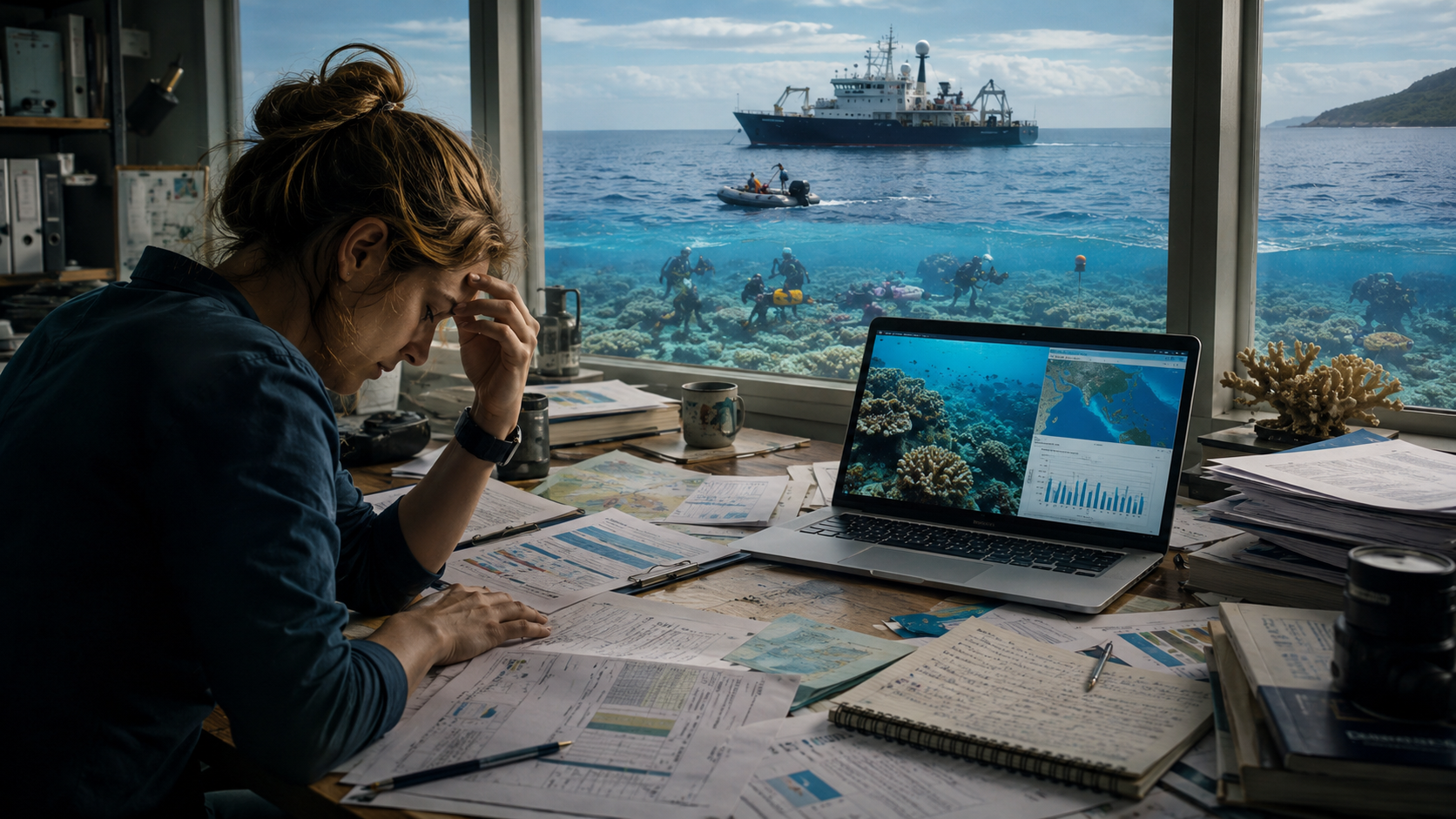
Marine scientists are trained to study the ocean.
They collect data, monitor ecosystems, track wildlife, assess threats, publish research, and help the public understand what is happening beneath the surface.
But behind the scenes, many ocean scientists and conservation organizations are facing a growing problem.
They are spending more and more time trying to fund the work instead of actually doing the work.
Ocean Science Is Expensive
Working in the ocean is not cheap.
Research vessels can cost thousands of dollars per day. Fieldwork requires equipment, staff, travel, permits, data analysis, and long-term monitoring. Satellite systems, underwater drones, tagging technology, and lab work all add to the cost.
Even basic conservation work requires stable funding.
The problem is that funding is often short-term, competitive, and uncertain.
That means many marine scientists, conservationists, and nonprofit leaders are constantly writing proposals, pitching donors, applying for grants, and trying to keep projects alive.
The Hidden Pressure on Conservation Work
This pressure changes the way conservation happens.
Projects with strong public appeal may attract more attention and support. Less visible work, even if it is scientifically important, can struggle to survive.
Long-term monitoring can be especially vulnerable because funders often prefer new, exciting projects over the steady work needed to understand change over time.
That creates a difficult reality.
Ocean conservation needs consistency, but the funding system often rewards short-term wins.
Why Communication Matters More Than Ever
This is why science communication is becoming essential.
Scientists are no longer only expected to publish papers. Many are now expected to explain their work to the public, reach donors, build trust, speak to policymakers, and compete for attention online.
That does not mean every scientist needs to become an influencer.
But it does mean that conservation organizations need better storytelling, stronger communication teams, and clearer ways to show why their work matters.
Public understanding can shape political pressure.
Public trust can influence donor support.
Clear storytelling can help important projects survive.
Great Science Still Needs Support
The future of ocean conservation will not depend on science alone.
It will depend on whether scientists, communicators, funders, nonprofits, journalists, educators, and community leaders can work together.
Great science still matters.
But in today’s world, the ability to explain why that science matters may help determine whether conservation efforts have the funding and public support they need to last.

CEO
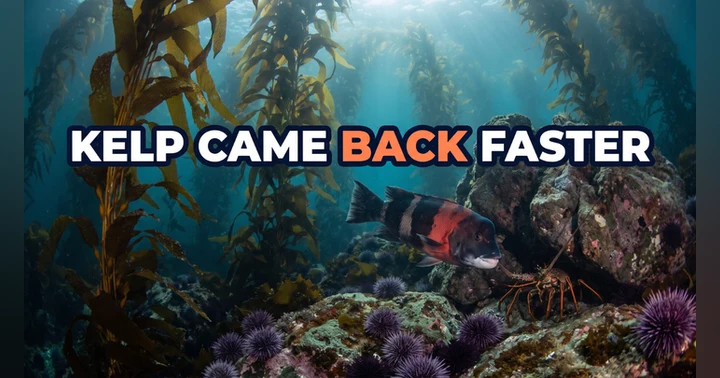
The Blob Hit California's Kelp. Protected Kelp Came Back Faster.