Why Saving the Ocean Still Runs Out of Money
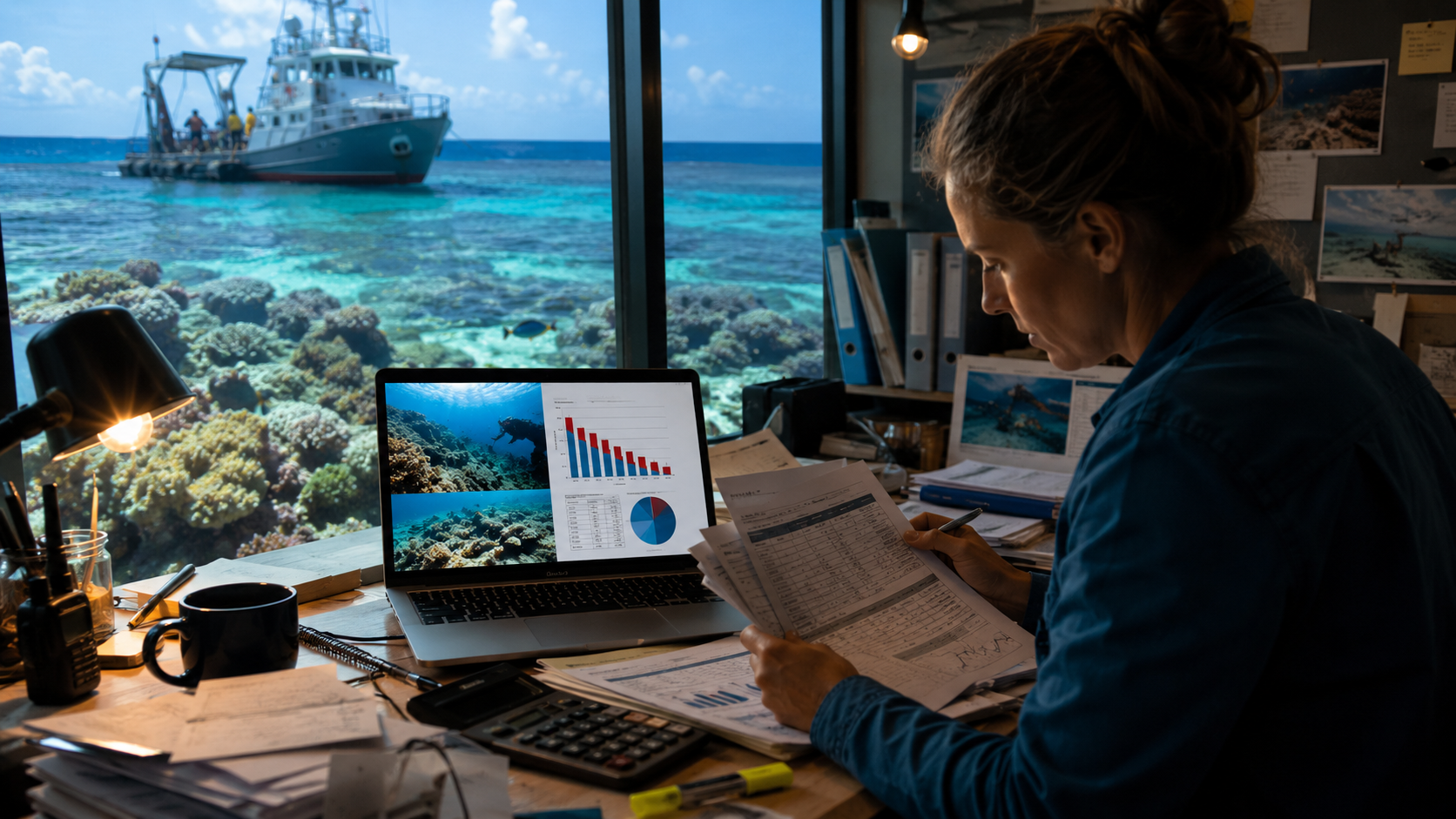
Ocean conservation is a multi-billion-dollar global effort.
So why do so many marine scientists, nonprofits, and conservation organizations constantly feel like they are running out of money?
That is the question at the heart of this episode of How to Protect the Ocean.
Many people assume that if an ocean issue is important enough, someone will fund it. But that is not how conservation usually works. Even some of the most important marine projects operate year to year, grant to grant, or donation to donation.
That creates a major problem.
Marine protected areas may be announced by governments, but without money for enforcement, staffing, monitoring, and research, protection can become symbolic. Scientists may identify critical habitats, but without long-term investment, the work can stall before it has a chance to make a lasting impact.
Funding instability affects everything.
It affects staff retention.
It affects research timelines.
It affects community programs.
It affects public outreach.
It affects whether an organization can plan beyond the next grant deadline.
One of the biggest challenges is that funding is incredibly competitive. Nonprofits, universities, Indigenous groups, community organizations, and conservation teams are often applying for the same limited pools of money. That means scientists and conservation leaders can end up spending huge amounts of time writing proposals instead of doing the work they set out to do.
There is another layer to this: attention.
Organizations that communicate clearly often have a better chance of attracting donors, partners, and public support. That does not mean the best communicator always has the best project, but it does mean communication is becoming part of conservation infrastructure.
A scientific paper can hold critical information. But if the public never hears about it, it becomes harder to build donor interest, political pressure, or community support.
That is why more ocean organizations are investing in newsletters, podcasts, documentaries, YouTube videos, social media, and storytelling. Communication is not just a trend. It is becoming part of how conservation survives.
The future of ocean conservation will depend on more than science alone.
It will depend on stable funding.
It will depend on stronger institutions.
It will depend on better storytelling.
And it will depend on whether conservation organizations can move beyond survival mode and build systems that last.
Because the ocean supports food systems, climate regulation, tourism, shipping, jobs, and coastal communities.
But many of the people trying to protect it are working inside financially unstable systems.
That is the problem we need to talk about.

CEO
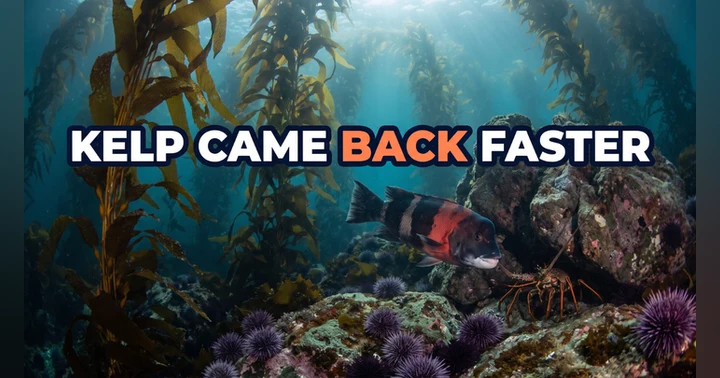
The Blob Hit California's Kelp. Protected Kelp Came Back Faster.