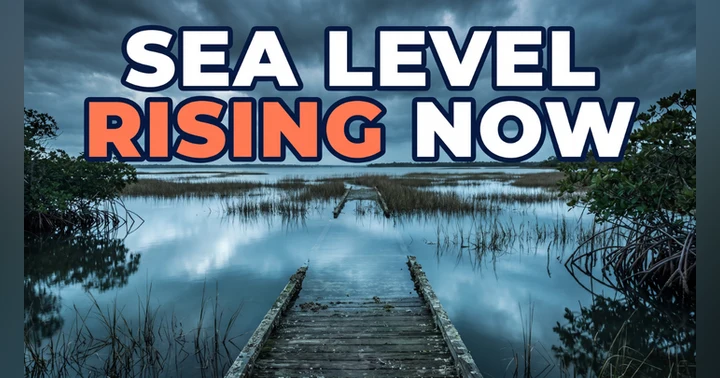
The Ocean Is in Trouble, So Why Is There Hope?
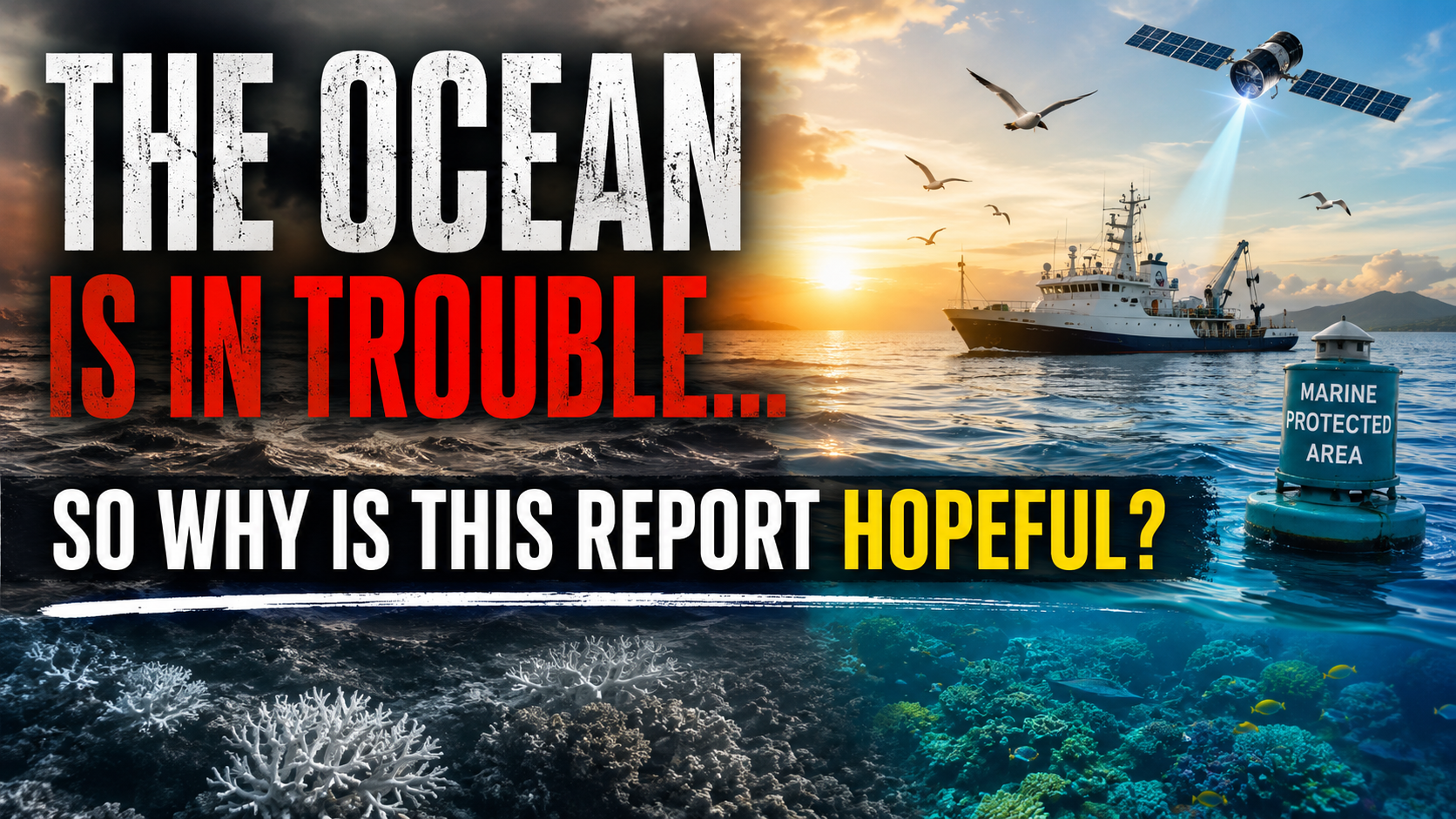
If you only read the headlines, it can feel like ocean protection is failing. Coral reefs are bleaching, marine heatwaves are increasing, fish populations are under pressure, and sea levels keep rising. That reality is serious, and we should not ignore it.
But the latest UN ocean reporting also points to something we do not talk about enough. While ocean health is still declining, our ability to govern and protect the ocean is improving. That difference matters.
Ocean Problems Are Still Very Real
The ocean is under enormous pressure from climate change, overfishing, habitat loss, pollution, and weak enforcement. These problems are not abstract. They affect fisheries, coastal communities, biodiversity, food security, and the long-term stability of marine ecosystems.
It is easy to look at those problems and feel like nothing is working. But conservation does not usually produce instant results. The damage is often visible right away, while recovery can take years or even decades.
The Good News Hidden in the Report
The hopeful part is that the systems around ocean protection are getting stronger. Countries are expanding marine protected areas. The High Seas Treaty is moving forward. Satellite monitoring is making illegal fishing harder to hide.
None of this solves ocean problems overnight. But it gives the world more tools to respond. For decades, many ocean issues existed without strong global systems to address them.
Governance Is Boring, But It Matters
Ocean governance may not sound exciting, but it is one of the most important parts of conservation. Rules, enforcement, monitoring, and cooperation are how protection becomes real. Without them, ocean conservation is just a good intention.
It is similar to traffic safety. Cars do not become safer because we hope everyone drives responsibly. They become safer because we create rules, enforce them, and improve the systems around them.
Progress Can Be Slow and Still Be Real
One of the hardest parts of ocean conservation is patience. We often see destruction quickly, but recovery takes time. A coral reef, fish population, or protected habitat may need years before the benefits are obvious.
That does not mean the work is failing. It means we need to stay committed long enough for the systems to work. Stronger governance gives ocean protection a better chance to last.
Why This Matters
Hope in ocean conservation should not come from ignoring the bad news. It should come from understanding where progress is happening and pushing it further. The ocean still needs urgent action, but the tools to protect it are improving.
That is the message of this episode. Ocean protection is not moving fast enough, but it is moving. And that gives us something important to build on.

CEO
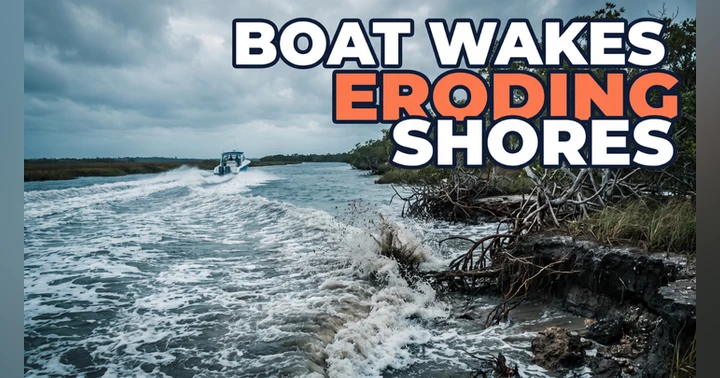
Boat Wake Erosion Explained: The Coastal Threat With Nothing to Do With Climate Change