What If Protecting the Ocean Starts With Love?
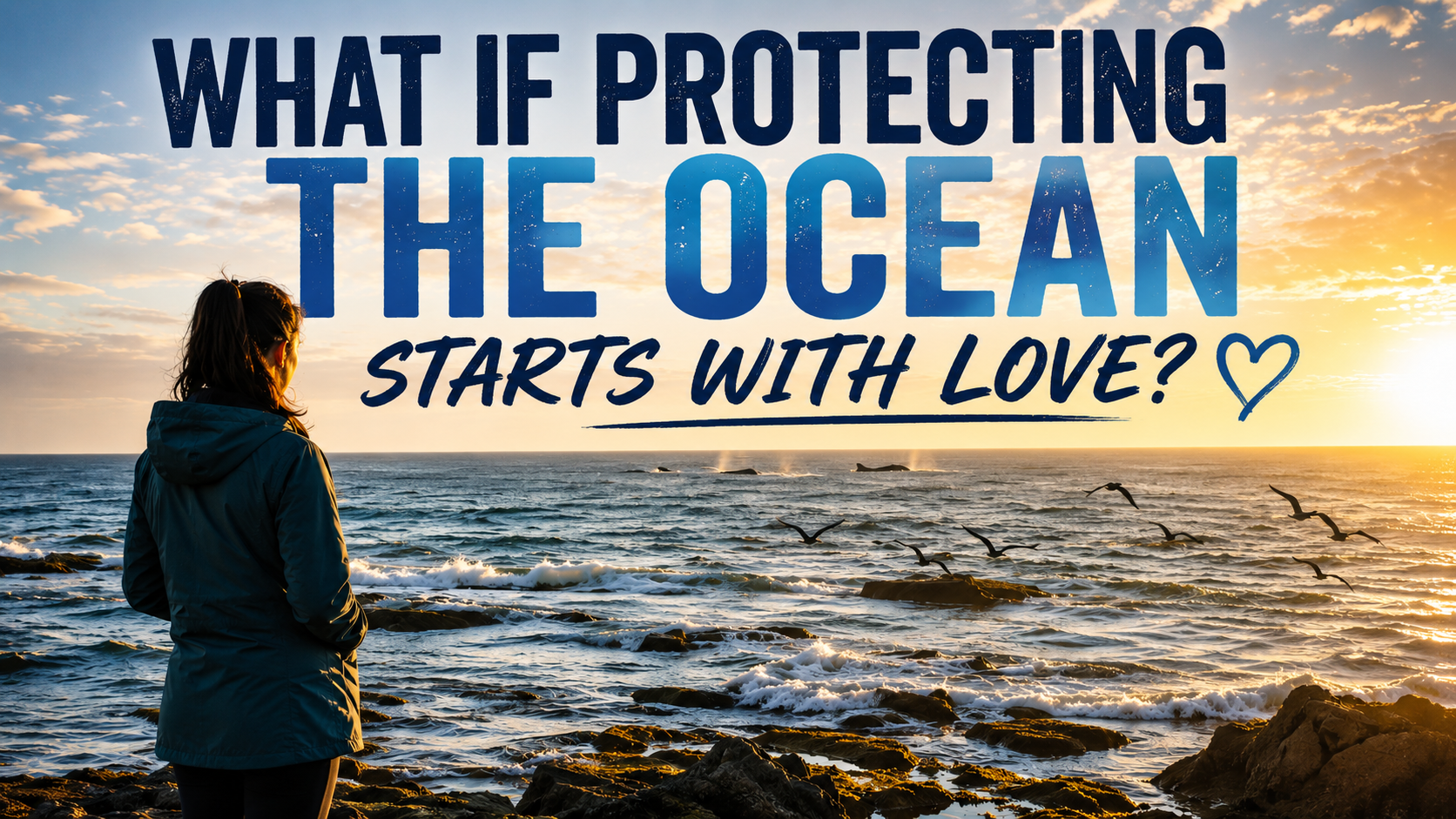
The Conservation Question We Rarely Ask
When people talk about ocean conservation, the conversation usually starts with problems. We hear about climate change, plastic pollution, overfishing, habitat destruction, and declining biodiversity. These challenges are real and deserve attention, but they often overshadow a more fundamental question: Why do we protect the ocean in the first place?
The answer is surprisingly simple. People protect what they love. Before conservation becomes policy, science, or activism, it usually begins with a personal connection.
The Ocean Is More Than a Resource
The ocean provides food, oxygen, transportation routes, jobs, and economic opportunities. Those benefits are important, but they do not tell the whole story. For millions of people around the world, the ocean is also a source of inspiration, identity, culture, and peace.
Many of our most meaningful experiences happen near water. Whether it’s watching whales breach offshore, walking along a beach at sunrise, exploring tide pools with family, or simply listening to waves crash against the shore, these moments create lasting connections. Those connections often become the foundation for conservation.
Why Connection Matters
Conservation efforts are strongest when people feel emotionally invested in the places they want to protect. Scientific evidence can explain why ecosystems matter, but emotional connections often inspire action. People who care deeply about a place are more likely to support policies, volunteer their time, donate resources, and encourage others to get involved.
This is why storytelling is such a powerful conservation tool. Stories help people see themselves as part of the ocean’s future rather than distant observers. They transform statistics into experiences and challenges into opportunities for action.
The Risk of Conservation Burnout
Many conservation messages focus heavily on threats and crises. While these stories are important, constant exposure to negative news can leave people feeling overwhelmed and powerless. When every headline is a warning, it becomes harder to maintain hope and motivation.
That does not mean we should ignore the problems. It means we should balance urgency with inspiration. People need reminders of what they are fighting for, not just what they are fighting against.
Finding Joy in the Ocean
The ocean is filled with wonder. It is home to migrating whales, glowing plankton, colorful coral reefs, deep-sea mysteries, and countless species that continue to surprise scientists. Even cold-water ecosystems, often overlooked compared to tropical reefs, are full of fascinating wildlife and unique ecological stories.
Celebrating these positive aspects of the ocean is not a distraction from conservation. It is an essential part of it. Joy, curiosity, and wonder help build the emotional connection that keeps people engaged for the long term.
Building a Community Around Ocean Protection
Protecting the ocean is not something any individual can accomplish alone. Lasting conservation happens when communities come together around shared values and goals. Whether through local initiatives, citizen science projects, educational programs, or online communities, collective action creates momentum.
People are more likely to stay involved when they feel supported by others who share their passion. Community transforms concern into action and action into meaningful change.
A World Ocean Day Reflection
World Ocean Day offers an opportunity to reflect on our relationship with the ocean. It reminds us that conservation is not just about regulations, research, or management plans. It is also about appreciation, gratitude, and respect for the ecosystems that support life on Earth.
The ocean gives us so much every day, often without us noticing. Taking time to recognize that connection can strengthen our commitment to protecting it.
People Protect What They Love
The future of ocean conservation depends on more than science and policy. It depends on whether people continue to build meaningful relationships with the ocean and understand why it matters in their lives.
So today, spend a few moments near water if you can. Visit a beach, a river, a lake, or a local shoreline. Listen, observe, and reflect. Because people protect what they love, and the ocean needs more people who love it enough to protect it.

CEO


